

severe-flu-season-and-pink-eye

Severe Flu Season and Pink Eye

What You Need to Know to Protect Your Eyes

This flu season has been especially severe, with viruses spreading quickly through schools, workplaces, and communities. Along with influenza and other respiratory illnesses, eye infections—particularly pink eye (conjunctivitis)—tend to rise during peak flu season. Understanding the different types of pink eye, how it spreads, and how to prevent it can help protect both your eye health and overall wellness.

What Is Pink Eye?

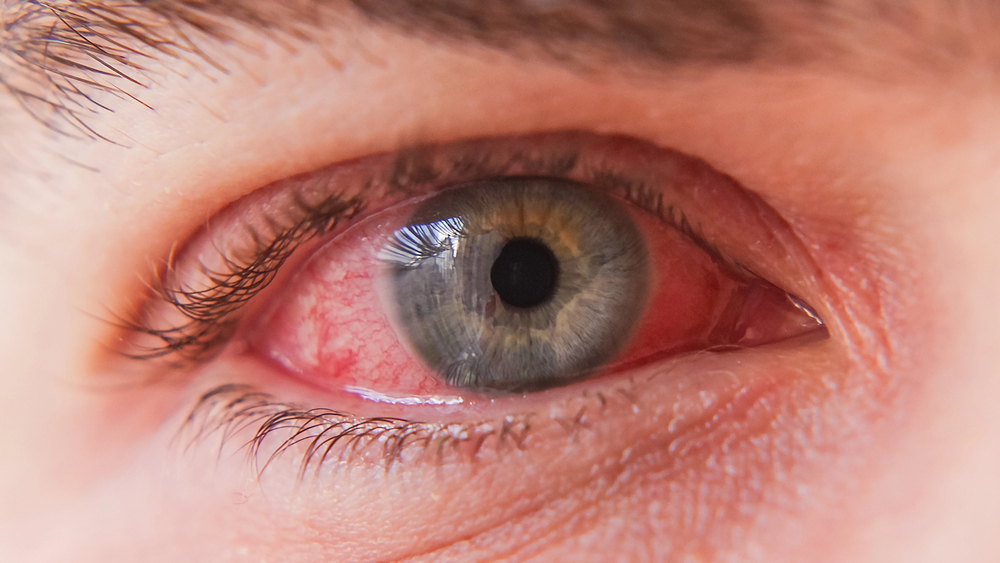
Pink eye, or conjunctivitis, is an inflammation of the conjunctiva—the clear tissue covering the white part of the eye and the inside of the eyelids. It often causes redness, irritation, discharge, and watering of the eyes. While pink eye is common and usually not serious, some forms are highly contagious and require prompt care.

Types of Pink Eye

There are several types of pink eye, each with different causes and treatments:

1. Viral Pink Eye

Viral conjunctivitis is the most common type and is often associated with colds, the flu, or other upper respiratory infections. It spreads easily through coughing, sneezing, and contact with contaminated surfaces.

Symptoms may include:

  • Red or watery eyes
  • Burning or gritty sensation
  • Light sensitivity
  • Clear or watery discharge

Viral pink eye usually resolves on its own, but it can be very contagious.

2. Bacterial Pink Eye

Bacterial conjunctivitis is caused by bacteria and is more common in children, though adults can be affected as well.

Symptoms may include:

  • Thick yellow or green discharge
  • Crusting of the eyelids, especially in the morning
  • Redness and swelling

Antibiotic eye drops or ointments are often prescribed to speed recovery and reduce contagiousness.

3. Allergic Pink Eye

Allergic conjunctivitis is not contagious and is triggered by allergens such as pollen, dust, or pet dander.

Symptoms may include:

  • Itching
  • Redness in both eyes
  • Tearing and swelling

Treatment typically includes allergy eye drops and avoiding known triggers.

4. Irritant or Chemical Pink Eye

This type is caused by exposure to smoke, chemicals, chlorine, or foreign objects. Symptoms usually improve once the irritant is removed and the eye is flushed.

Prevention: Handwashing Matters More Than Ever

During a severe flu season, good hygiene is your first line of defense against pink eye and other infections.

Key prevention tips include:

  • Wash hands frequently with soap and water for at least 20 seconds
  • Avoid touching or rubbing your eyes
  • Do not share towels, washcloths, makeup, or eye drops
  • Disinfect commonly touched surfaces like doorknobs, phones, and keyboards
  • Replace eye makeup after an eye infection
  • Practice proper contact lens hygiene and never sleep in lenses unless prescribed

Parents should encourage frequent handwashing at home and remind children to avoid touching their eyes at school.

Treatment and When to See the Doctors at Bissell Eye Care

If you develop symptoms of pink eye, it’s important to schedule an eye exam. Our doctors can determine the type of conjunctivitis and recommend appropriate treatment. Using the wrong medication—or waiting too long—can prolong symptoms or increase the risk of spreading the infection.

Seek care promptly if you experience:

  • Eye pain or light sensitivity
  • Blurred vision
  • Symptoms that worsen or do not improve
  • Thick discharge or swelling

Protect Your Eyes During Flu Season

With the severe flu season underway, staying vigilant about eye health is essential. Pink eye may seem minor, but it can disrupt daily life and spread quickly without proper care.

Simple steps like handwashing, avoiding eye contact, and timely eye exams go a long way in keeping your eyes healthy. If you or a family member notice signs of pink eye, contact the doctors at Bissell Eye Care for guidance and treatment.

Healthy habits today can help keep your eyes—and your family—seeing clearly all season long.


About Bissell Eye CareJohn D. Bissell, OD, is the owner of Bissell Eye Care, proudly serving the Northern Pittsburgh and Alle-Kiski Valley regions. Dr. Bissell has received advanced training through the International Academy of Low Vision Specialists, enabling him to help patients living with vision impairment and low vision challenges. With two convenient office locations and evening appointments available, Bissell Eye Care offers comprehensive eye exams for the entire family—starting as young as six months. Our services include ocular disease detection and treatment, prescription eyeglasses and sunglasses, specialty activewear eyewear, contact lenses, and dedicated low vision evaluations for those with significant vision impairment and vision loss. We accept most vision and health insurance plans. To learn more, visit bisselleyecare.com or call our Bakerstown office at 724-443-6767 or our Natrona Heights office at 724-226-0444.

glaucoma-symptoms-treatment-and-prevention

Glaucoma Symptoms, Treatment, and Prevention

Why Regular Eye Exams Protect Your Sight

Glaucoma is often called the “thief of sight”—and for good reason. This group of eye diseases can quietly damage the optic nerve without noticeable symptoms in its early stages. By the time vision changes are detected, permanent vision loss may have already occurred. Understanding glaucoma, how it affects vision, and the tools available to support those living with it can help protect your eyesight for life.

What Is Glaucoma?

Glaucoma occurs when increased pressure inside the eye, or poor blood flow to the optic nerve, causes progressive nerve damage. The optic nerve is responsible for transmitting visual information from the eye to the brain. Once damaged, vision loss cannot be reversed.

There are several types of glaucoma, but primary open-angle glaucoma is the most common. It typically develops slowly and painlessly, which is why many people are unaware they have it.

How Glaucoma Affects Vision

Glaucoma usually affects peripheral (side) vision first. Early on, patients may not notice any changes at all. As the disease progresses, blind spots may develop, eventually leading to tunnel vision and, in severe cases, blindness.

Because central vision often remains clear until later stages, routine eye exams are critical—glaucoma can advance long before symptoms appear.

Why Annual Eye Exams Are Essential

Regular comprehensive eye exams with the doctors at Bissell Eye Care are the most effective way to detect glaucoma early. During an exam, your optometrist can measure eye pressure, evaluate the optic nerve, test peripheral vision, and use advanced imaging to monitor subtle changes over time.

Early detection allows for treatment—such as prescription eye drops, laser therapy, or surgery—that can slow or stop further vision loss. Skipping annual exams increases the risk of undetected damage.

If you have a family history of glaucoma, are over age 60, have diabetes, or are African American or Hispanic, your risk may be higher, making consistent eye care even more important.

Living With Glaucoma: Low Vision Aids and Support

For individuals who experience vision loss from glaucoma, low vision aids can greatly improve quality of life and independence. These tools are designed to maximize remaining vision and support everyday activities.

Common low vision aids for glaucoma patients include:

  • Magnifiers (handheld, stand, or electronic) for reading and detailed tasks
  • High-contrast and large-print materials to make text easier to see
  • Specialized lighting to reduce glare and enhance visibility
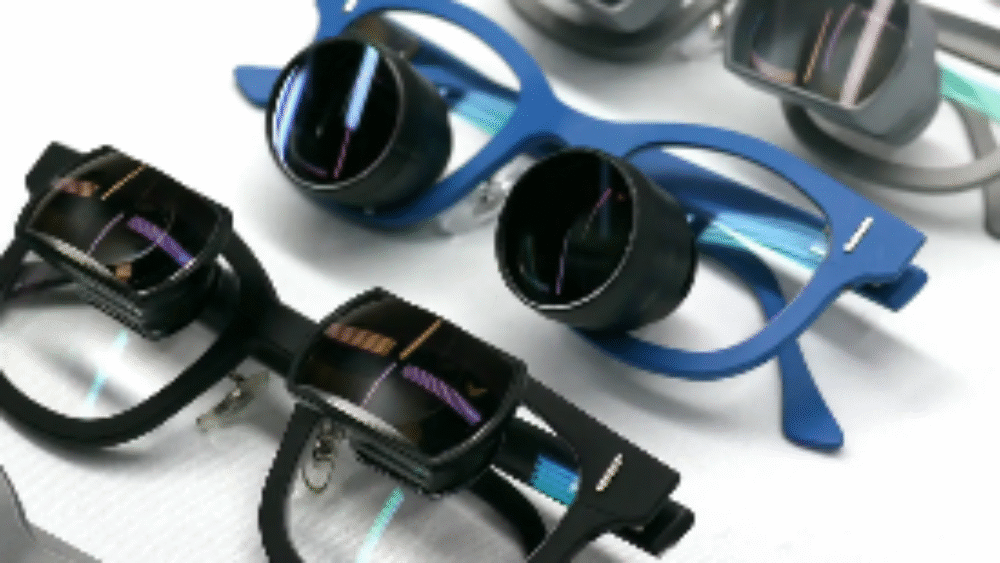
  • Prismatic glasses to help expand usable visual fields
  • Electronic devices and apps that offer text enlargement, voice assistance, or contrast enhancement

A low vision evaluation with Dr. Bissell, who has received specialized training through the International Academy of Low Vision Specialists (IALVS), can help determine which tools are best suited to your needs and lifestyle.

Protecting Your Vision Starts Today

Glaucoma may be silent, but its effects are permanent if left untreated. The good news is that with early detection, proper treatment, and ongoing care, many people with glaucoma maintain functional vision for life.

Scheduling your annual eye exam isn’t just about seeing clearly today—it’s about protecting your vision for the future. If it’s been more than a year since your last exam, now is the time to take that important step.

Your sight is precious. Don’t let glaucoma steal it.


About Bissell Eye CareJohn D. Bissell, OD, is the owner of Bissell Eye Care, proudly serving the Northern Pittsburgh and Alle-Kiski Valley regions. Dr. Bissell has received advanced training through the International Academy of Low Vision Specialists, enabling him to help patients living with vision impairment and low vision challenges. With two convenient office locations and evening appointments available, Bissell Eye Care offers comprehensive eye exams for the entire family—starting as young as six months. Our services include ocular disease detection and treatment, prescription eyeglasses and sunglasses, specialty activewear eyewear, contact lenses, and dedicated low vision evaluations for those with significant vision impairment and vision loss. We accept most vision and health insurance plans. To learn more, visit bisselleyecare.com or call our Bakerstown office at 724-443-6767 or our Natrona Heights office at 724-226-0444.
Low-Vision-Glasses

Seeing More Clearly: How Low Vision Glasses Can Help You Stay Independent

For those living with low vision, everyday activities—like reading, driving, or enjoying a night at the theater—can feel increasingly challenging. The good news is that advances in low vision glasses are helping people maintain their independence and continue doing the things they love.

Unlike traditional prescription lenses, low vision glasses are designed to maximize your remaining vision by enhancing contrast, magnifying detail, or expanding your field of view. They allow you to move freely and keep your hands free—something that’s not always possible with handheld magnifiers or other aids.

Types of Low Vision Glasses

There’s no one-size-fits-all solution when it comes to low vision care. Different types of specialized glasses serve unique purposes based on your visual needs and lifestyle:

  • Bioptic Telescope Glasses:
    These innovative lenses combine a small telescope mounted on regular eyeglasses. They allow wearers to spot distant details—like road signs—while still being able to look through the regular lens for walking or reading. Many patients have been able to keep their driver’s license and maintain mobility thanks to bioptic telescope technology.
  • E-Scoop Glasses:
    Designed specifically for people with macular degeneration, E-Scoop glasses enhance contrast and image clarity by adjusting light entry. This helps improve distance vision and comfort, particularly in bright outdoor conditions.
  • Side-Vision Awareness Glasses:
    For those with peripheral vision loss (such as from stroke or glaucoma), side-vision awareness glasses use special prisms to expand the visual field, making it easier to detect objects and movement from the side.
  • Full-Diameter Telescope Glasses:
    Perfect for theater enthusiasts, sports fans, or concertgoers, these glasses provide magnification across the entire lens, allowing you to enjoy performances and events with greater clarity.
  • Prismatic Reading Glasses:
    For near tasks like reading or sewing, prismatic glasses use lenses that bend light and reduce the strain of focusing on close-up text or detail.

A Personalized Approach to Better Vision

Each person’s vision is unique, which is why low vision evaluations are so important. During your visit, Dr. Bissell will assess your remaining vision, discuss your daily activities, and help match you with the best optical solutions for your needs.

Low vision glasses aren’t just about seeing better—they’re about living better. With the right lenses, you can continue to read, drive, and participate fully in the moments that matter most.

Ready to explore your options?
Schedule a low vision consultation with Dr. Bissell a member of the International Academy of Low Vision Specialists Call 724-443-6767 or 724-226-0444 to learn how specialized glasses can help you regain confidence, mobility, and independence.


About Bissell Eye Care: John D. Bissell, OD, is the owner of Bissell Eye Care, proudly serving the Northern Pittsburgh and Alle-Kiski Valley regions. Dr. Bissell has received advanced training through the International Academy of Low Vision Specialists, enabling him to help patients living with vision impairment and low vision challenges. With two convenient office locations and evening appointments available, Bissell Eye Care offers comprehensive eye exams for the entire family—starting as young as six months. Our services include ocular disease detection and treatment, prescription eyeglasses and sunglasses, specialty activewear eyewear, contact lenses, and dedicated low vision evaluations for those with significant vision impairment and vision loss. We accept most vision and health insurance plans. To learn more, visit bisselleyecare.com or call our Bakerstown office at 724-443-6767 or our Natrona Heights office at 724-226-0444.
diabetic-vision-loss-1-1024x683

Protecting Your Eyes from Diabetic Vision Loss

November is National Diabetes Month—a time dedicated to raising awareness about diabetes and the importance of regular health checkups, including eye exams. If you have diabetes, caring for your eyes should be a top priority. Diabetes can silently damage your vision before you notice any symptoms, making early detection through routine eye care essential to maintaining healthy sight.


How Diabetes Affects the Eyes

Diabetes can cause several eye conditions collectively known as diabetic eye disease. These include:

  • Diabetic Retinopathy:
    The most common form of diabetic eye disease, retinopathy occurs when high blood sugar damages blood vessels in the retina. Over time, this can lead to blurred vision, floaters, and even permanent vision loss if left untreated.
  • Diabetic Macular Edema (DME):
    When fluid builds up in the macula—the part of your eye responsible for sharp, central vision—swelling can distort vision and make everyday tasks like reading or recognizing faces difficult.
  • Cataracts and Glaucoma:
    People with diabetes are more likely to develop cataracts at an earlier age and have an increased risk for glaucoma, both of which can contribute to vision loss if not properly managed.


The Power of a Comprehensive Eye Exam

The good news? Diabetic eye disease is often preventable and treatable—especially when caught early. That’s why a comprehensive dilated eye exam is one of the most effective tools for protecting your vision.

During your exam, the doctors at Bissell Eye Care will:

  • Examine the retina and optic nerve for signs of damage
  • Check for swelling, bleeding, or new blood vessel growth
  • Monitor changes in your prescription or overall eye health

Even if your vision seems fine, early retinal changes can occur without noticeable symptoms. Regular monitoring allows your doctor to detect and treat issues before they progress.


Everyday Tips for Healthy Eyes with Diabetes

Protecting your eyes goes hand-in-hand with managing your overall health. Here are a few ways to support your vision every day:

  • Keep blood sugar, blood pressure, and cholesterol under control
  • Follow a balanced diet rich in fruits, vegetables, and omega-3s
  • Exercise regularly to improve circulation and eye health
  • Avoid smoking, which increases the risk of diabetic complications
  • Schedule yearly eye exams—or more often if recommended by your doctor


See the Difference Regular Care Can Make

At Bissell Eye Care, we’re dedicated to helping patients with diabetes preserve their sight and enjoy clear, healthy vision for years to come.

If you have diabetes or have recently been diagnosed with the disease, now is the perfect time to schedule a comprehensive diabetic eye exam. Early detection is the key to preventing vision loss—and taking charge of your eye health is one of the best ways to recognize National Diabetes Month.

Call 724-443-6767 or 724-226-0444 today to schedule your comprehensive eye exam.


About Bissell Eye Care: John D. Bissell, OD, is the owner of Bissell Eye Care, proudly serving the Northern Pittsburgh and Alle-Kiski Valley regions. Dr. Bissell has received advanced training through the International Academy of Low Vision Specialists, enabling him to help patients living with vision impairment and low vision challenges. With two convenient office locations and evening appointments available, Bissell Eye Care offers comprehensive eye exams for the entire family—starting as young as six months. Our services include ocular disease detection and treatment, prescription eyeglasses and sunglasses, specialty activewear eyewear, contact lenses, and dedicated low vision evaluations for those with significant vision impairment and vision loss. We accept most vision and health insurance plans. To learn more, visit bisselleyecare.com or call our Bakerstown office at 724-443-6767 or our Natrona Heights office at 724-226-0444.
Child in Halloween costume. Mixed race Asian and Caucasian kids and parents trick or treat on street. Little boy and girl with pumpkin lantern and candy bucket. Baby in witch hat. Autumn holiday fun.

Keep Your Eyes Boo-tiful: Halloween Safety

Halloween Eye Safety Tips: Protecting Your Vision While Having Fun

Halloween is a favorite time of year for kids and adults alike—costumes, candy, and spooky fun. But while you’re picking out the perfect costume, it’s important to keep eye safety in mind. As optometrists, we want families to enjoy the holiday without accidents or eye injuries. Here are some Halloween safety tips for costumes, masks, and decorative contact lenses to help protect your vision this season.

Choose Masks Kids Can See Out Of Clearly

Masks are a popular part of many Halloween costumes, but they can sometimes block vision. Poorly fitted masks may limit peripheral vision, making it harder for kids to see cars, steps, or other trick-or-treaters.

  • Look for masks with large eye openings.
  • Test your child’s mask in a well-lit room before Halloween night.
  • If vision is restricted, consider face paint instead of a full mask.

Avoid Non-Prescription Decorative Contact Lenses

Decorative or “cosmetic” contact lenses—like cat eyes, vampire red, or all-white sclera lenses—may seem like the perfect accessory to a spooky costume. However, non-prescription contact lenses sold without an eye exam can be dangerous.

  • Ill-fitting lenses can cause scratches, infections, or even vision loss.
  • Only purchase costume contact lenses from a licensed eye doctor with a valid prescription.
  • Never share contact lenses, even decorative ones.

If your teen is interested in wearing Halloween contact lenses, schedule an eye exam to ensure they are fitted safely.

Watch Out for Sharp Objects in Costumes

Costume swords, wands, pitchforks, or other props with sharp ends can easily poke an eye if someone trips or bumps into another trick-or-treater. To reduce risk:

  • Choose props made of soft, flexible materials.
  • Avoid overly long items that can drag or swing around.
  • Remind kids not to run while holding costume accessories.

Prevent Trip Hazards in Costumes

Long costumes and flowing capes may look dramatic but can be hazardous. Children may trip and fall, increasing the risk of eye injuries or facial trauma.

  • Hem costumes to ankle length or shorter.
  • Avoid shoes that are too big for walking safely.
  • Make sure costumes are free of dangling parts that could catch on decorations.

Halloween is a time for fun, creativity, and family memories. By following these Halloween eye safety tips, you can keep vision clear and protected while enjoying the holiday.

If you have questions about decorative contact lenses or want to schedule an eye exam before Halloween, our office is here to help. Protecting your vision is no trick—it’s a treat you’ll enjoy for years to come.


About Bissell Eye Care: John D. Bissell, OD, is the owner of Bissell Eye Care, proudly serving the Northern Pittsburgh and Alle-Kiski Valley regions. Dr. Bissell has received advanced training through the International Academy of Low Vision Specialists, enabling him to help patients living with vision impairment and low vision challenges. With two convenient office locations and evening appointments available, Bissell Eye Care offers comprehensive eye exams for the entire family—starting as young as six months. Our services include ocular disease detection and treatment, prescription eyeglasses and sunglasses, specialty activewear eyewear, contact lenses, and dedicated low vision evaluations for those with significant vision impairment and vision loss. We accept most vision and health insurance plans. To learn more, visit bisselleyecare.com or call our Bakerstown office at 724-443-6767 or our Natrona Heights office at 724-226-0444.
Fall-Eye-Safety

Protecting Your Eyes During Fall Clean-Up – Why Safety Glasses Matter

Autumn is a beautiful season—the air turns crisp, leaves change color, and neighborhoods come alive with fall activities. But for many homeowners, fall also means yard clean-up: raking leaves, trimming branches, clearing gutters, and preparing the yard for winter. While it may feel like routine outdoor work, these chores can put your eyes at risk if you’re not careful.

As optometrists, we want to remind you that eye safety during fall clean-up is just as important as protecting your hands or back. Here’s why safety glasses should be a must-have part of your fall yard work routine.

Common Eye Hazards During Fall Yard Work

Even everyday chores can expose your eyes to injury:

  • Flying Debris – Leaves, twigs, dirt, or rocks kicked up by leaf blowers, mowers, or rakes can strike the eyes.
  • Branches and Sticks – Pruning shrubs or gathering brush puts you at risk for scratches and pokes to the eye.
  • Chemicals – Fertilizers, pesticides, or cleaning solutions for gutters may splash and cause irritation or serious damage.
  • Dust and Allergens – Dry leaves and soil can stir up dust, mold spores, and allergens, leading to itchy, watery eyes.

Why Safety Glasses Are Essential

A simple pair of ANSI-approved safety glasses or protective eyewear can dramatically reduce the risk of eye injuries. Unlike regular glasses, safety glasses are designed to:

  • Resist impact from flying debris.
  • Provide side shield protection to block dust and dirt.
  • Stay secure during physical activity.
  • Offer tinted or UV protection options for outdoor use.

Wearing safety glasses is a small step that can prevent a major injury—and protect your vision for the long run.

Tips for Safe Fall Yard Work

  • Wear safety glasses or goggles whenever mowing, trimming, or using power tools.
  • Clear the area before mowing or blowing leaves to reduce flying objects.
  • Stay alert around branches—bend them away from your face when cutting or hauling brush.
  • Wash hands after yard work to avoid rubbing dust or chemicals into your eyes.
  • Keep protective eyewear accessible—store them with your tools so you never forget.

Keep Your Eyes Healthy This Season

Eye injuries can happen in an instant, but most are preventable with proper protection. This fall, don’t overlook the importance of safety glasses for yard work. Protecting your vision is one of the smartest investments you can make.

If you experience eye irritation, redness, or injury after outdoor chores, schedule an appointment with our office right away. Your eyes deserve the best care this season—and every season.


About Bissell Eye Care: John D. Bissell, OD, is the owner of Bissell Eye Care, proudly serving the Northern Pittsburgh and Alle-Kiski Valley regions. Dr. Bissell has received advanced training through the International Academy of Low Vision Specialists, enabling him to help patients living with vision impairment and low vision challenges. With two convenient office locations and evening appointments available, Bissell Eye Care offers comprehensive eye exams for the entire family—starting as young as six months. Our services include ocular disease detection and treatment, prescription eyeglasses and sunglasses, specialty activewear eyewear, contact lenses, and dedicated low vision evaluations for those with significant vision impairment and vision loss. We accept most vision and health insurance plans. To learn more, visit bisselleyecare.com or call our Bakerstown office at 724-443-6767 or our Natrona Heights office at 724-226-0444.
Senior man using tablet PC with his adult son.

6 New Advances in Macular Degeneration Treatment for 2025

More than 200 million people around the world are living with age-related macular degeneration (AMD), a leading cause of vision loss among older adults. While treatments have existed for years to slow the disease, exciting new advancements are bringing us closer than ever to protecting—and even restoring—vision.

In this article, we’ll highlight six promising new treatments for macular degeneration, from gene therapy and stem cell research to cutting-edge drug delivery systems.

What Is Age-Related Macular Degeneration?

AMD is a condition that damages the macula, the central part of the retina responsible for sharp, detailed vision. Imagine the eye as a camera: light passes through the cornea, lens, and vitreous gel before reaching the retina at the back. The macula, located at the center of the retina, provides the ability to read, recognize faces, and see fine details.

When the macula deteriorates, central vision becomes blurry, distorted, or lost altogether.

There are two main types of AMD:

  • Dry AMD (most common): Caused by the buildup of protein deposits (drusen) under the retina, which interfere with macular function.
  • Wet AMD: Develops from dry AMD when the body tries to compensate by growing new blood vessels. Unfortunately, these vessels leak fluid and blood, leading to faster and more severe vision loss.

Current Treatments

Treatment depends on whether AMD is dry or wet, and on the stage of the disease. A comprehensive eye exam, including OCT scans and other tests, guides the care plan.

  • Dry AMD: No approved medications exist yet, but progression can be slowed with lifestyle choices like a nutrient-rich diet, smoking cessation, blood pressure control, and certain doctor-recommended supplements.
  • Wet AMD: The mainstay of treatment is anti-VEGF injections (Lucentis, Eylea, or Avastin), which block abnormal blood vessel growth and fluid leakage. Laser or photodynamic therapy may also be used.

Anti-VEGF therapy is highly effective—stabilizing vision in about 90% of patients and even improving it in 30%. However, the need for frequent eye injections can be burdensome.

6 Promising New Treatments for Macular Degeneration

The next generation of AMD care aims to target the root causes of the disease, restore lost vision, and reduce the burden of treatment. Here are six exciting developments:

1. Gene Therapy

Instead of repeated injections, gene therapy teaches the eye to produce its own anti-VEGF proteins. Two therapies—RGX-314 and ADVM-022—are in clinical trials for wet AMD, while HMR59 and GT005 show promise for slowing late-stage dry AMD.

2. Stem Cell Therapy

Stem cell therapy replaces damaged retinal pigment epithelial (RPE) cells with healthy lab-grown ones. If researchers can perfect safe, long-term delivery methods, this approach could potentially repair retinal damage and restore vision.

3. Complement Inhibitors for Late-Stage Dry AMD

In geographic atrophy, the advanced stage of dry AMD, the immune system can over-attack healthy retinal tissue. Complement inhibitors—including Syfovre (pegcetacoplan) and Izervay (avacincaptad pegol), both approved in 2023—slow the growth of retinal lesions by calming this overactive immune response.

4. Long-Acting Anti-VEGF Drugs

To reduce the burden of frequent injections, new long-lasting medications such as Eylea HD (aflibercept) and Vabysmo (faricimab) deliver extended protection with fewer treatments. Approved in 2023, these drugs can keep patients on track with less frequent office visits.

5. Implantable Drug Delivery Systems

The Susvimo implant (ranibizumab) continuously releases medication over six months. While it requires a minor surgical procedure and periodic refills, it offers the same results as standard anti-VEGF injections with far fewer appointments.

6. Light Therapy

The FDA approved photobiomodulation (the Valeda Light Delivery System) in 2024 for dry AMD. This non-invasive therapy uses red and near-infrared light to boost cellular energy and improve retinal function. Studies show it can slow disease progression and, in some cases, improve vision.

Looking Ahead

The introduction of anti-VEGF therapy revolutionized AMD care. Now, in 2025, we are entering a new era of treatments that not only slow progression but also aim to restore sight—while being less invasive and more patient-friendly.

For those living with macular degeneration, the future is brighter than ever.  For questions regarding macular degeneration, or low vision services, contact Dr. Bissell at 724-443-6767 or 724-226-0444.


About Bissell Eye Care: John D. Bissell, OD, is the owner of Bissell Eye Care, proudly serving the Northern Pittsburgh and Alle-Kiski Valley regions. Dr. Bissell has received advanced training through the International Academy of Low Vision Specialists, enabling him to help patients living with vision impairment and low vision challenges. With two convenient office locations and evening appointments available, Bissell Eye Care offers comprehensive eye exams for the entire family—starting as young as six months. Our services include ocular disease detection and treatment, prescription eyeglasses and sunglasses, specialty activewear eyewear, contact lenses, and dedicated low vision evaluations for those with significant vision impairment and vision loss. We accept most vision and health insurance plans. To learn more, visit bisselleyecare.com or call our Bakerstown office at 724-443-6767 or our Natrona Heights office at 724-226-0444.
Healthy-Aging-and-Your-Eyes

Healthy Aging and Your Eyes: A Guide to Preserving Vision

As we grow older, our bodies naturally change—and our eyes are no exception. According to the National Eye Institute, vision loss from age-related eye disease is becoming a major public health concern. Today, more than 40 million Americans are over the age of 65, and that number is projected to rise to 88 million by 2050.

Protecting your eyesight is vital to maintaining independence and quality of life. By understanding common age-related eye conditions and making healthy choices now, you can enjoy clearer vision well into your later years.

Common Eye Diseases in Older Adults

Aging increases the risk of several eye conditions. Awareness and early detection through comprehensive eye exams at Bissell Eye Care can make a significant difference in protecting your sight.

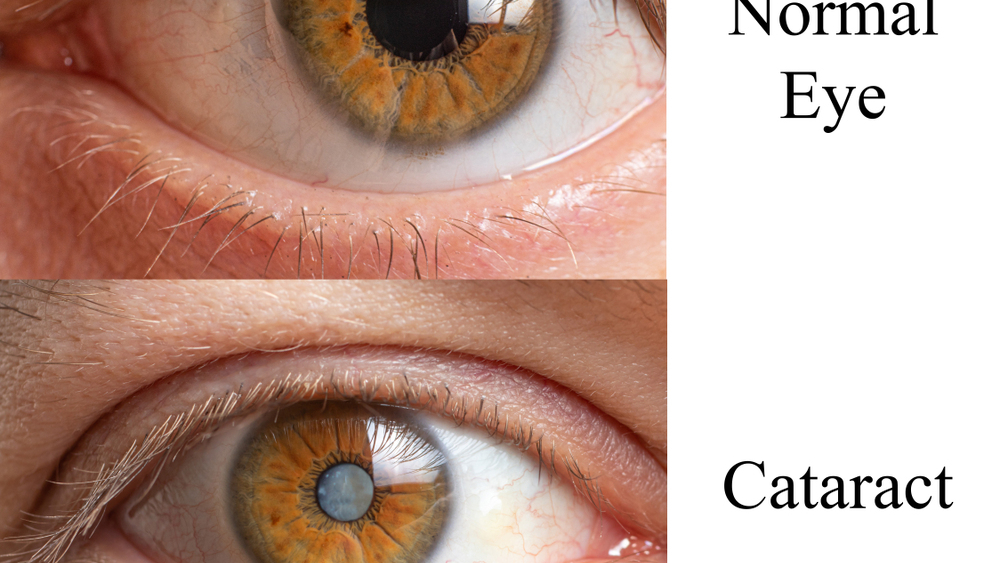
  • Cataracts – Clouding of the eye’s natural lens causes blurred vision, glare, and difficulty seeing at night. Cataracts are common but highly treatable—surgery is safe, effective, and can restore clear vision.
  • Glaucoma – Often called the “silent thief of sight,” glaucoma damages the optic nerve, usually from high eye pressure. It develops slowly and can cause permanent vision loss if not detected early. Regular exams are critical to monitor eye pressure and preserve vision.
  • Age-Related Macular Degeneration (AMD) – AMD affects central vision by damaging the macula, the part of the retina that lets you see fine details. While there’s no cure, lifestyle changes, supplements, and treatments can slow its progression.
  • Diabetic Retinopathy – High blood sugar levels can damage blood vessels in the retina, leading to vision loss. Managing diabetes and having routine eye exams are essential for prevention and treatment.
  • Dry Eye Syndrome – As tear production decreases with age, eyes may feel dry, irritated, or blurry. Over-the-counter drops, prescription medications, and simple lifestyle changes can bring relief.

Protecting Your Vision as You Age

Healthy aging starts with daily choices that support long-term eye health. Here’s what you can do:

  • Schedule comprehensive eye exams every year—even if you don’t notice changes in your vision. Many eye diseases develop silently and are most treatable in the early stages.
  • Eat a nutrient-rich diet including leafy greens, carrots, fish, nuts, and foods high in antioxidants like vitamins C and E, zinc, and lutein.
  • Manage chronic conditions such as diabetes and high blood pressure through medication, diet, and regular check-ups. These conditions greatly affect your vision.
  • Quit smoking—a major risk factor for cataracts, AMD, and many other health issues.
  • Protect your eyes from UV rays by wearing sunglasses with UV protection and a wide-brimmed hat.
  • Stay active with regular exercise, which improves circulation and lowers the risk of eye-complicating conditions.
  • Get enough sleep—rest gives your eyes time to recover and stay healthy.

A Clearer Future

Your eyes are your windows to the world and play a key role in maintaining independence as you age. By learning about common eye diseases and adopting healthy habits today, you can protect your vision for years to come.  Regular eye exams, a balanced diet, and a proactive approach to overall health are the cornerstones of keeping your eyes sharp and your outlook bright.  To schedule your annual comprehensive eye exam, call 724-443-6767 or 724-226-0444.


About Bissell Eye Care: John D. Bissell, OD, is the owner of Bissell Eye Care, proudly serving the Northern Pittsburgh and Alle-Kiski Valley regions. Dr. Bissell has received advanced training through the International Academy of Low Vision Specialists, enabling him to help patients living with vision impairment and low vision challenges. With two convenient office locations and evening appointments available, Bissell Eye Care offers comprehensive eye exams for the entire family—starting as young as six months. Our services include ocular disease detection and treatment, prescription eyeglasses and sunglasses, specialty activewear eyewear, contact lenses, and dedicated low vision evaluations for those with significant vision impairment and vision loss. We accept most vision and health insurance plans. To learn more, visit bisselleyecare.com or call our Bakerstown office at 724-443-6767 or our Natrona Heights office at 724-226-0444.

Boy undergoing eyesight examination with slit lamp biomicroscope in ophthalmology clinic back-to-school eye exam

Back-to-School Eye Exams: An Important Step for Academic Success

As the school year begins, many parents focus on gathering school supplies, organizing schedules, and preparing their children for the classroom. But there’s one essential item that’s often overlooked—an annual eye exam. Good vision is foundational to a child’s ability to learn, and yet vision issues can often go unnoticed, especially by children themselves.


Why Eye Exams Matter More Than You Think

Did you know that 80% of what children learn in school is presented visually? From reading and writing to using digital devices and viewing the board, clear vision is essential. However, vision screenings done at school or pediatric offices are not comprehensive. They may miss issues like eye teaming, focusing problems, or even moderate refractive errors such as nearsightedness, farsightedness, and astigmatism.

How Vision Problems Impact Learning

Children with undiagnosed vision issues may struggle to focus, avoid reading, or fall behind academically. In fact, many symptoms of vision problems can be mistaken for behavioral issues, such as ADHD or lack of interest. Common signs to watch for include:

  • Frequent squinting or tilting the head
  • Holding books or screens very close
  • Complaints about headaches or tired eyes
  • Difficulty paying attention in class
  • Poor reading comprehension or slow reading pace
  • Excessive eye rubbing
  • Eye Strain and Digital Learning

With the growing use of tablets and computers in schools, children are spending more time than ever in front of screens. This can lead to digital eye strain, also known as computer vision syndrome. Symptoms may include:

  • Blurred or double vision
  • Eye fatigue
  • Dry or irritated eyes
  • Difficulty refocusing from screen to distance

Annual eye exams can help identify and manage these issues early, ensuring your child is visually prepared for the demands of today’s learning environment.

When Should Children Have Their Eyes Examined?

The American Optometric Association recommends the following schedule:

  • First exam at 6 months
  • Second exam at age 3
  • Before starting kindergarten
  • Annually thereafter, or as recommended by your optometrist

Early detection of vision issues can prevent long-term learning difficulties and give your child the best chance for success—both in and out of the classroom.

Set Your Child Up for Success

As you prepare for the school year ahead, make sure an eye exam is on your checklist. A simple visit to your optometrist can make a world of difference in your child’s academic performance, confidence, and comfort.

Book your child’s back-to-school eye exam today—and help them start the year off seeing clearly and learning confidently.  Call 724-443-6767 or 724-226-0444 to schedule your child’s appointment.


About Bissell Eye Care: John D. Bissell, OD, is the owner of Bissell Eye Care, proudly serving the Northern Pittsburgh and Alle-Kiski Valley regions. Dr. Bissell has received advanced training through the International Academy of Low Vision Specialists, enabling him to help patients living with vision impairment and low vision challenges. With two convenient office locations and evening appointments available, Bissell Eye Care offers comprehensive eye exams for the entire family—starting as young as six months. Our services include ocular disease detection and treatment, prescription eyeglasses and sunglasses, specialty activewear eyewear, contact lenses, and dedicated low vision evaluations for those with significant vision impairment and vision loss. We accept most vision and health insurance plans. To learn more, visit bisselleyecare.com or call our Bakerstown office at 724-443-6767 or our Natrona Heights office at 724-226-0444.

pair of mirror sunglasses in front of forest scene - with clarity in glasses Managing light sensitivity with Stargardt disease

Managing Light Sensitivity with Stargardt Disease This Summer

Summer’s long, sunny days are something many look forward to—but if you’re living with Stargardt disease, this season can bring increased challenges. Bright sunlight and glare can significantly impact your comfort and ability to see clearly, making everyday activities more difficult.

At Dr. Bissell’s low vision clinic, he understands how overwhelming bright light can be for individuals with Stargardt disease. That’s why he offers personalized solutions to help you manage light sensitivity and maintain your independence.

As a proud member of the International Academy of Low Vision Specialists (IALVS), we believe that vision loss doesn’t have to limit your lifestyle—even during the sunniest time of year.

Why Stargardt Disease Makes Summer More Difficult

Stargardt disease affects the macula, the part of the eye responsible for sharp central vision. Over time, it can cause bright light to feel uncomfortable and reduce your ability to see detail—especially in high-glare environments like beaches, pavement, or water.

You may notice yourself squinting more often, avoiding time outdoors, or feeling frustrated by reflective surfaces. Our goal is to help you make the most of your remaining vision and feel more comfortable—even in harsh sunlight.

Solutions for Seeing Better in Bright Conditions

Our practice takes a personalized approach to low vision care. After understanding your specific needs and daily challenges, we may recommend:

  • Custom-tinted low vision glasses to reduce glare and enhance contrast
  • UV-protective lenses for added comfort and eye protection outdoors
  • Wraparound frames or side shields to block peripheral light
  • Wide-brimmed hats or visors for additional sun protection
  • Adjusting outdoor activities to early morning or late afternoon when the sun is lower

We’ll also help you improve indoor lighting so you can reduce eye strain even as daylight hours extend.

You Can Enjoy Summer Again

If vision loss is affecting your quality of life, you’re not alone—and you don’t have to navigate it without support. Contact Dr. Bissell today at 724-443-6767 or 724-226-0444 to explore individualized low vision solutions. With the right guidance and devices, you can feel more comfortable in bright conditions and return to the summer activities you enjoy most.


About Bissell Eye Care: John D. Bissell, OD, is the owner of Bissell Eye Care, proudly serving the Northern Pittsburgh and Alle-Kiski Valley regions. Dr. Bissell has received advanced training through the International Academy of Low Vision Specialists, enabling him to help patients living with vision impairment and low vision challenges. With two convenient office locations and evening appointments available, Bissell Eye Care offers comprehensive eye exams for the entire family—starting as young as six months. Our services include ocular disease detection and treatment, prescription eyeglasses and sunglasses, specialty activewear eyewear, contact lenses, and dedicated low vision evaluations for those with significant vision impairment and vision loss. We accept most vision and health insurance plans. To learn more, visit bisselleyecare.com or call our Bakerstown office at 724-443-6767 or our Natrona Heights office at 724-226-0444.