
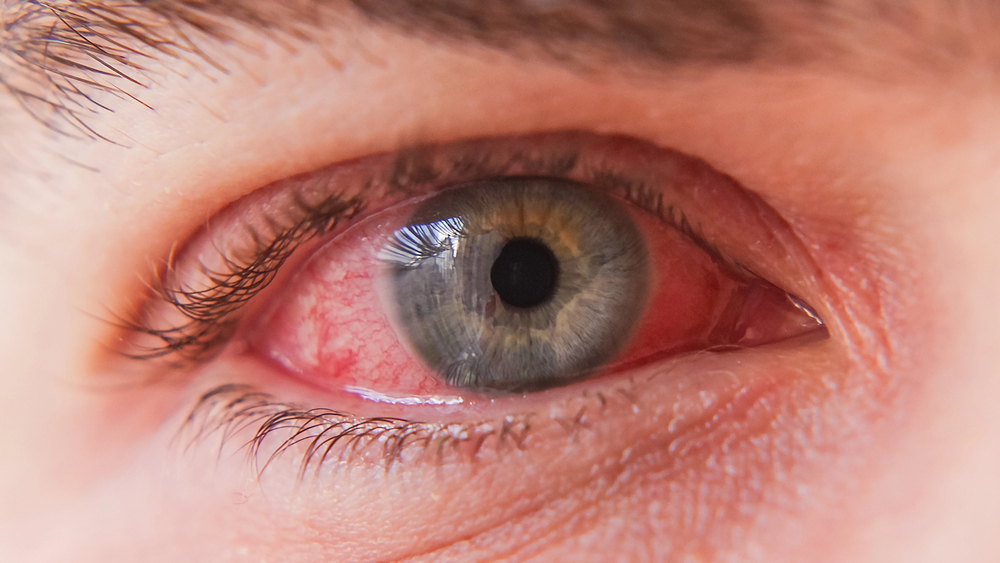
severe-flu-season-and-pink-eye

Severe Flu Season and Pink Eye

What You Need to Know to Protect Your Eyes

This flu season has been especially severe, with viruses spreading quickly through schools, workplaces, and communities. Along with influenza and other respiratory illnesses, eye infections—particularly pink eye (conjunctivitis)—tend to rise during peak flu season. Understanding the different types of pink eye, how it spreads, and how to prevent it can help protect both your eye health and overall wellness.

What Is Pink Eye?

Pink eye, or conjunctivitis, is an inflammation of the conjunctiva—the clear tissue covering the white part of the eye and the inside of the eyelids. It often causes redness, irritation, discharge, and watering of the eyes. While pink eye is common and usually not serious, some forms are highly contagious and require prompt care.

Types of Pink Eye

There are several types of pink eye, each with different causes and treatments:

1. Viral Pink Eye

Viral conjunctivitis is the most common type and is often associated with colds, the flu, or other upper respiratory infections. It spreads easily through coughing, sneezing, and contact with contaminated surfaces.

Symptoms may include:

  • Red or watery eyes
  • Burning or gritty sensation
  • Light sensitivity
  • Clear or watery discharge

Viral pink eye usually resolves on its own, but it can be very contagious.

2. Bacterial Pink Eye

Bacterial conjunctivitis is caused by bacteria and is more common in children, though adults can be affected as well.

Symptoms may include:

  • Thick yellow or green discharge
  • Crusting of the eyelids, especially in the morning
  • Redness and swelling

Antibiotic eye drops or ointments are often prescribed to speed recovery and reduce contagiousness.

3. Allergic Pink Eye

Allergic conjunctivitis is not contagious and is triggered by allergens such as pollen, dust, or pet dander.

Symptoms may include:

  • Itching
  • Redness in both eyes
  • Tearing and swelling

Treatment typically includes allergy eye drops and avoiding known triggers.

4. Irritant or Chemical Pink Eye

This type is caused by exposure to smoke, chemicals, chlorine, or foreign objects. Symptoms usually improve once the irritant is removed and the eye is flushed.

Prevention: Handwashing Matters More Than Ever

During a severe flu season, good hygiene is your first line of defense against pink eye and other infections.

Key prevention tips include:

  • Wash hands frequently with soap and water for at least 20 seconds
  • Avoid touching or rubbing your eyes
  • Do not share towels, washcloths, makeup, or eye drops
  • Disinfect commonly touched surfaces like doorknobs, phones, and keyboards
  • Replace eye makeup after an eye infection
  • Practice proper contact lens hygiene and never sleep in lenses unless prescribed

Parents should encourage frequent handwashing at home and remind children to avoid touching their eyes at school.

Treatment and When to See the Doctors at Bissell Eye Care

If you develop symptoms of pink eye, it’s important to schedule an eye exam. Our doctors can determine the type of conjunctivitis and recommend appropriate treatment. Using the wrong medication—or waiting too long—can prolong symptoms or increase the risk of spreading the infection.

Seek care promptly if you experience:

  • Eye pain or light sensitivity
  • Blurred vision
  • Symptoms that worsen or do not improve
  • Thick discharge or swelling

Protect Your Eyes During Flu Season

With the severe flu season underway, staying vigilant about eye health is essential. Pink eye may seem minor, but it can disrupt daily life and spread quickly without proper care.

Simple steps like handwashing, avoiding eye contact, and timely eye exams go a long way in keeping your eyes healthy. If you or a family member notice signs of pink eye, contact the doctors at Bissell Eye Care for guidance and treatment.

Healthy habits today can help keep your eyes—and your family—seeing clearly all season long.


About Bissell Eye CareJohn D. Bissell, OD, is the owner of Bissell Eye Care, proudly serving the Northern Pittsburgh and Alle-Kiski Valley regions. Dr. Bissell has received advanced training through the International Academy of Low Vision Specialists, enabling him to help patients living with vision impairment and low vision challenges. With two convenient office locations and evening appointments available, Bissell Eye Care offers comprehensive eye exams for the entire family—starting as young as six months. Our services include ocular disease detection and treatment, prescription eyeglasses and sunglasses, specialty activewear eyewear, contact lenses, and dedicated low vision evaluations for those with significant vision impairment and vision loss. We accept most vision and health insurance plans. To learn more, visit bisselleyecare.com or call our Bakerstown office at 724-443-6767 or our Natrona Heights office at 724-226-0444.


man wtih head tilted back putting eye drops in eyes pink eyes

Pink Eye 101: Causes, Types, and Seasonal Triggers

As another season of cold and flu ramps up, another unwelcome visitor often tags along—pink eye, also known as conjunctivitis. Pink eye is a common condition, particularly during colder months, when respiratory illnesses are more prevalent. Let’s take a closer look at what causes pink eye during this time, the different types of conjunctivitis, and how to protect your eyes.

Why Does Cold and Flu Season Lead to More Cases of Pink Eye?

The cold and flu season creates the perfect environment for the spread of viruses and bacteria, which are leading culprits of pink eye. Here’s how it happens:

Respiratory Infections: Viruses like adenovirus, often responsible for colds, can also cause viral conjunctivitis. Sneezing, coughing, or touching your eyes after handling contaminated surfaces spreads the virus quickly.

Weakened Immune System: When your body is busy fighting off a cold or the flu, your immune system may be less effective at protecting your eyes from infection.

Close Contact Indoors: During colder months, people tend to spend more time indoors, increasing close contact and the likelihood of sharing germs.

Types of Conjunctivitis

There are three main types of pink eye, each with distinct causes and symptoms:

Viral Conjunctivitis:

  • Cause: Viruses like adenovirus, often linked to colds.
  • Symptoms: Watery discharge, redness, and irritation in one or both eyes.
  • Contagiousness: Highly contagious and often spreads in schools, workplaces, or households.

Treatment: No specific treatment; symptoms typically resolve within 7-14 days. Use a cold compress and artificial tears to relieve discomfort.

Bacterial Conjunctivitis:

  • Cause: Bacteria such as Staphylococcus or Streptococcus.
  • Symptoms: Thick, yellow, or greenish discharge that may cause eyelids to stick together, redness, and swelling.
  • Contagiousness: Extremely contagious and often spread through direct contact or shared items like towels.

Treatment: Requires antibiotics, either in the form of eye drops or ointments, prescribed by the doctors at Bissell Eye Care or your primary care doctor.

Allergic Conjunctivitis:

  • Cause: Allergens like pollen, pet dander, or dust mites.
  • Symptoms: Itchy, watery eyes, redness, and swelling. Symptoms often occur in both eyes.
  • Contagiousness: Not contagious.

Treatment: Over-the-counter or prescription allergy medications and eye drops can help.

How to Prevent Pink Eye During Cold and Flu Season

There are several steps you can take to reduce your risk of pink eye:

Wash Your Hands Frequently: Use soap and water to wash your hands thoroughly, especially after touching your face, coughing, or sneezing.

Avoid Touching Your Eyes: Try to avoid rubbing your eyes, as this can transfer germs directly to the eye.

Disinfect Common Surfaces: Regularly clean surfaces like doorknobs, keyboards, and smartphones to prevent the spread of bacteria and viruses.

Use Your Own Towels and Makeup: Sharing items like face towels, eye makeup, or contact lens cases can increase the risk of spreading pink eye.

Practice Respiratory Hygiene: Cover your mouth and nose with a tissue or your elbow when you sneeze or cough, and dispose of tissues immediately.

Stay Home If You’re Sick: If you have cold or flu symptoms, staying home can help prevent the spread of germs to others.

While many cases of pink eye resolve on their own, you should see the doctors at Bissell Eye Care if:

  • Your symptoms persist for more than a week.
  • You experience significant pain, blurred vision, or sensitivity to light.
  • You have a weakened immune system or an existing eye condition.

Our doctors can diagnose the type of conjunctivitis you have and recommend the best course of treatment to get you back to feeling—and seeing—your best.

Pink eye may be common during cold and flu season, but with proper hygiene and quick action, you can protect your eyes and reduce the risk of spreading this condition. If you suspect you or your child may have pink eye, don’t hesitate to schedule an appointment by calling 724-443-6767 or 724-226-0444. Healthy eyes are always worth it!


About Bissell Eye Care: John D. Bissell, OD owns and operates Bissell Eye Care servicing Northern Pittsburgh and Alle-Kiski Valley regions. With two locations to treat patients, we offer evening appointments. Bissell Eye Care provides comprehensive eye examinations for the entire family beginning as early as 6 months, ocular disease detection and treatment, eyeglasses, sunglasses, activewear, contact lenses, and low vision examinations for those with significant vision loss. We accept most types of vision and health insurance plans. For more information, visit bisselleyecare.com or call our Bakerstown Office at 724-443-6767 or Natrona Heights office at 724-226-0444.

Buds, Blooms and Allergies

Buds, Blooms and Allergies

Trees are blooming and the green is popping out on the hillside. Have your eyes started to water? Do you feel your nose starting to get stuffed up again? It’s that time of the year, the time when the weather gets warmer, you want to get outside and all the plants and trees start to bloom. As spring approaches learn how to help prevent symptoms and avoid eye infections.

If you typically suffer through the flowering of spring, experts say you should be taking precautions now to stay healthy and start taking an allergy medication that has controlled those symptoms in the past. Know the signs of allergy symptoms that include itchy eyes, red eyes, clear nasal discharge, and a scratchy feeling in your ears or throat. Unlike a virus that comes on gradually, allergy symptoms tend to hit quickly.

Pollen can serve as a major trigger for allergy sufferers. When pollen counts are high try and limit your exposure to the outdoors, don’t hang laundry outside, utilize air conditioning, and allergy medication can help to relieve symptoms.

Among eye infections associated with allergies, pink eye is one the most common. Pink eye is inflammation of the thin, clear covering of the white of the eye and the inside of the eyelids. While this part of the eye is clear it contains small blood vessels. When an infection occurs these blood vessels dilate, giving the eye the red color. It is more frequently experienced with people who are close to others such as students, school workers, daycare workers and medical professionals.

Types of Pink Eye

  • Allergic: This form of pink eye may be associated with pollen but can also be flared up by dust or pet dander
  • Bacterial: Bacterial pink eye is caused by bacteria entering the eye. It can cause serious damage to the eye if left untreated.
  • Viral: Caused by a virus similar to the common cold. This is the most contagious form but will usually clear up on its own in a few days without medical treatment.

Treatments

  • Allergic: Allergy medications can often help to prevent or shorten the duration of the infection. It is a common practice to start the medication before allergy season or known flare-ups.
  • Bacterial: An optometrist appointment is necessary and they will prescribe eye drops.
  • Viral: This form will run its course over several days requiring no medical treatment. Using a cold wet compress will help relieve some of the symptoms do not share this compress as the viral form is the most contagious.

As we approach spring and allergy season follow these tips to help prevent eye infections.

Prevention

  • Avoid sharing items such as washcloths, tissues, or towels.
  • Avoid rubbing or touching your eyes after covering your mouth to cough or sneeze.
  • Never share contact lenses with anyone.
  • If you experience seasonal allergies consult your doctor on how to minimize symptoms.
  • Remove contacts before using a hot tub, being in the water, and even showering.
  • Wash hands frequently, especially in areas of high public traffic (schools, daycares, public places).

If you do experience an infection don’t hesitate to contact the doctors at Bissell Eye Care to confirm if you will need medication to help combat the infection and prevent future eye damage.

Depositphotos_16276245_S

Prepare for Flu Season and Conjunctivitis

The 2019 – 2020 flu season is in full swing with the flu and conjunctivitis often going hand in hand.  Experts are predicting epidemic levels of cold and flu will continue during peak flu season.  It seems like everywhere you turn, someone is sick.  For those individuals who received a flu shot your symptoms may not be quite as severe.  Nonetheless, proper handwashing can be the key to not spreading those nasty germs.

When we think of the flu, things such as body aches, fever, and stomach viruses come to mind but flu season may also bring an unexpected surprise in the form of conjunctivitis most commonly referred to as “pink eye”.  Unfortunately, pink eye rides on the coattails of the flu and cold season and is adding to many people’s uncomfortable symptoms.

Pink eye, or conjunctivitis, is caused by inflammation of the conjunctiva, which is the tissue that lines the inside of the eyelid and helps to keep the eyelid and eyeball moist. The condition can be caused by bacteria, a virus, allergens, or other irritants. The same viruses that cause colds and the flu—such as adenovirus, enterovirus, and influenza virus—can also cause pink eye.

Cold and flu viruses can cause pink eye by traveling through the tear duct from the nose to the eye. However, most pink eye cases are caused by failing to wash your hands after you blow your nose or if you unknowingly touch a surface or object that someone with the flu or cold has recently touched. If you then rub your eyes, you’re transferring the virus or bacteria to your eyes.

There are three types of conjunctivitis:  1) Bacterial   2) Allergic and 3) Viral Conjunctivitis. 

Symptoms that present with conjunctivitis include:

  • Gritty feeling in the eye or both eyes
  • Excessive tearing
  • Itchy or burning sensation
  • Discharge and/or swollen eyelids
  • Pink Discoloration
  • Sensitivity to light.

Conjunctivitis is contagious so take these steps to avoid “sharing the joy” with others:

  • Practice good hygiene and teach your children how to properly wash their hands
  • Don’t touch your face with your hands
  • Avoid using cosmetics and eye care items and discard those currently used (particularly mascara) when first diagnosed with conjunctivitis to prevent spreading the infection.
  • Change towels and washcloths daily and avoid sharing with others
  • Avoid wearing contact lenses and dispose of those used at the start of the infection.

Pink eye can last from 10 days to two weeks, but there are several treatment options available depending on the cause and severity that can help alleviate your symptoms. Topical steroid drops and/or antibiotics based on which type of conjunctivitis you have will be used to treat conjunctivitis.  Viral conjunctivitis much like the common cold must run the course and only in severe cases are steroids used.

The best course of action is to schedule an appointment with your optometrist to properly diagnose and treat your infection.  At Bissell Eye Care, we also have tests that examine the optic nerve to ensure there’s not an underlying problem that can become more serious.  If in doubt, don’t delay – have your eye’s checked for infection.

About Bissell Eye Care: John D. Bissell, OD owns and operates Bissell Eye Care servicing Northern Pittsburgh and Alle-Kiski Valley regions. With two locations to treat patients, we offer evening and Saturday appointments. Bissell Eye Care provides comprehensive eye examinations for the entire family beginning as early as 6 months, ocular disease detection and treatment, eyeglasses, sunglasses, activewear, contact lenses, and low vision examinations for those with significant vision loss. We accept most types of vision and health insurance plans. For more information, visit bisselleyecare.com or call our Bakerstown Office at 724-443-6767 or Natrona Heights office at 724-226-0444.