
Fall-Eye-Safety

Protecting Your Eyes During Fall Clean-Up – Why Safety Glasses Matter

Autumn is a beautiful season—the air turns crisp, leaves change color, and neighborhoods come alive with fall activities. But for many homeowners, fall also means yard clean-up: raking leaves, trimming branches, clearing gutters, and preparing the yard for winter. While it may feel like routine outdoor work, these chores can put your eyes at risk if you’re not careful.

As optometrists, we want to remind you that eye safety during fall clean-up is just as important as protecting your hands or back. Here’s why safety glasses should be a must-have part of your fall yard work routine.

Common Eye Hazards During Fall Yard Work

Even everyday chores can expose your eyes to injury:

  • Flying Debris – Leaves, twigs, dirt, or rocks kicked up by leaf blowers, mowers, or rakes can strike the eyes.
  • Branches and Sticks – Pruning shrubs or gathering brush puts you at risk for scratches and pokes to the eye.
  • Chemicals – Fertilizers, pesticides, or cleaning solutions for gutters may splash and cause irritation or serious damage.
  • Dust and Allergens – Dry leaves and soil can stir up dust, mold spores, and allergens, leading to itchy, watery eyes.

Why Safety Glasses Are Essential

A simple pair of ANSI-approved safety glasses or protective eyewear can dramatically reduce the risk of eye injuries. Unlike regular glasses, safety glasses are designed to:

  • Resist impact from flying debris.
  • Provide side shield protection to block dust and dirt.
  • Stay secure during physical activity.
  • Offer tinted or UV protection options for outdoor use.

Wearing safety glasses is a small step that can prevent a major injury—and protect your vision for the long run.

Tips for Safe Fall Yard Work

  • Wear safety glasses or goggles whenever mowing, trimming, or using power tools.
  • Clear the area before mowing or blowing leaves to reduce flying objects.
  • Stay alert around branches—bend them away from your face when cutting or hauling brush.
  • Wash hands after yard work to avoid rubbing dust or chemicals into your eyes.
  • Keep protective eyewear accessible—store them with your tools so you never forget.

Keep Your Eyes Healthy This Season

Eye injuries can happen in an instant, but most are preventable with proper protection. This fall, don’t overlook the importance of safety glasses for yard work. Protecting your vision is one of the smartest investments you can make.

If you experience eye irritation, redness, or injury after outdoor chores, schedule an appointment with our office right away. Your eyes deserve the best care this season—and every season.


About Bissell Eye Care: John D. Bissell, OD, is the owner of Bissell Eye Care, proudly serving the Northern Pittsburgh and Alle-Kiski Valley regions. Dr. Bissell has received advanced training through the International Academy of Low Vision Specialists, enabling him to help patients living with vision impairment and low vision challenges. With two convenient office locations and evening appointments available, Bissell Eye Care offers comprehensive eye exams for the entire family—starting as young as six months. Our services include ocular disease detection and treatment, prescription eyeglasses and sunglasses, specialty activewear eyewear, contact lenses, and dedicated low vision evaluations for those with significant vision impairment and vision loss. We accept most vision and health insurance plans. To learn more, visit bisselleyecare.com or call our Bakerstown office at 724-443-6767 or our Natrona Heights office at 724-226-0444.
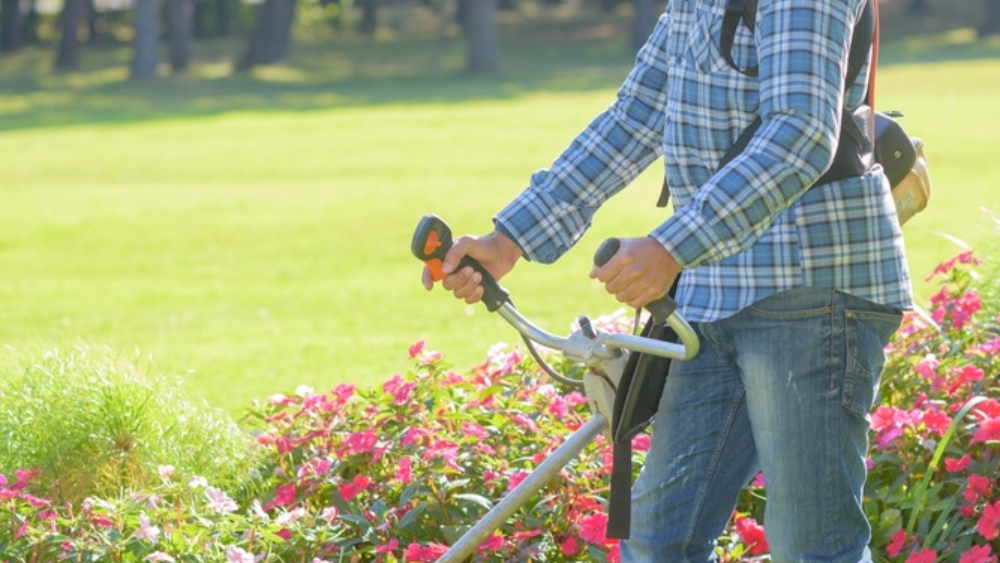
Gardener with full face protection using a trimmer while trimming around flowers

Spring Cleanup and Eye Injuries

The trees are budding, the flowers are starting to bloom, and outdoor work is in full swing. Spring cleanup can involve a lot of physical work and exposure to potentially hazardous materials and tools. These activities can lead to an increased risk of eye injuries.

EYE INJURY CAUSES AND PREVENTION TIPS:

Yard work: Cleaning up the yard often involves using sharp tools such as pruning shears, hedge trimmers, and chainsaws. Debris such as branches, twigs, and rocks can fly up and hit the eyes, causing injury. Wear safety glasses or goggles with side shields that are specifically designed for yard work.

Cleaning: Cleaning the house and garage can also pose a risk for eye injuries. Dust, dirt, and other debris can get into the eyes and cause irritation or injury. If you are using chemical cleaners, make sure to read and follow the manufacturer’s instructions carefully and understand what to do if injured. To prevent these injuries, wear protective glasses or goggles.

Allergies: Spring is also a time when allergies can flare up, causing eye irritation and redness. To minimize eye allergies, avoid touching your eyes with your hands, and wash your hands frequently to remove allergens. Use over-the-counter eye drops to relieve the symptoms of eye allergies.

If you do experience an eye injury, seek medical attention right away. Delaying treatment can lead to further damage and potentially permanent vision loss.

WHAT CONSTITUTES AN EYE EMERGENCY?

Pain frequently accompanies eye emergencies. Eye injuries, chemical burns, sudden vision loss or blurriness, eye scrapes, flashes of light, floaters, and sudden headaches with or without visual consequences would all be considered emergencies and require medical attention. At Bissell Eye Care, we have cutting-edge equipment that can examine the back of the eye to decide the best course of action.

Any sudden or obvious change in your vision’s quality needs to be treated right away. Vision alterations frequently point to a retinal or corneal abnormality that, if left untreated, can result in permanent vision loss. Retinal detachment is one such problem. You might have a detached retina if you’re experiencing flashing lights, spots, or a shower of floating spots inside your eye.

Eye redness should, wherever feasible, be examined by the doctors at Bissell Eye Care who can determine the kind of conjunctivitis and provide the appropriate course of therapy.

The best method to prevent an avoidable eye infection or injury is to follow good eye health and safety procedures. This entails using protective eyewear in risky working situations, scheduling yearly eye exams, wearing sunglasses to shield your eyes from UV rays, wearing blue light blocking eyewear when using computers or other portable devices, and maintaining good contact lens hygiene.

Bissell Eye Care is available if you have inquiries or concerns about your vision, an injury, or eye disease.  call our office at 724-443-6767 or 724-226-0444.


About Bissell Eye Care: John D. Bissell, OD owns and operates Bissell Eye Care servicing Northern Pittsburgh and Alle-Kiski Valley regions. With two locations to treat patients, we offer evening and Saturday appointments. Bissell Eye Care provides comprehensive eye examinations for the entire family beginning as early as 6 months, ocular disease detection and treatment, eyeglasses, sunglasses, activewear, contact lenses, and low vision examinations for those with significant vision loss. We accept most types of vision and health insurance plans. For more information, visit bisselleyecare.com or call our Bakerstown Office at 724-443-6767 or Natrona Heights office at 724-226-0444.

Sports Protection - Performance Vision Center

DON’T LET YOUR CHILD’S SPORTS SEASON BE SIDELINED BY EYE INJURY

Eye injuries are the leading cause of blindness in children and most eye injuries among kids aged 11-14 occur while playing sports. Among the sports with high rates of eye injuries: basketball, baseball, softball, soccer, and cycling. Youth sports leagues don’t always require players to use protective eyewear, but as parents, we can take a stand to protect our children.

Children’s sports eye injuries can range from abrasions of the cornea and bruises of the lid to internal eye injuries, such as retinal detachments and internal bleeding. Such injuries often do not get the attention with regard to prevention that statistics suggest they warrant.

All athletes should wear protective eyewear, but not just any eyewear. Use protection specifically designed for the sport. The guide below will help you determine which type of eye protection is necessary for the sport your child plays.

  • Baseball: Polycarbonate or wire faceguard attached to the helmet; sports goggles with polycarbonate lenses while on the field
  • Basketball: Sports goggles with polycarbonate lenses
  • Field hockey: Full face mask for the goalie; sports goggles with polycarbonate lenses/wire mesh goggles while on the field
  • Football: Polycarbonate eye shield attached to the helmet with wire face mask
  • Ice hockey: Helmet with full face protection
  • Lacrosse: Helmet with full face protection or sports goggles with polycarbonate lenses/wire mesh goggles
  • Paintball: Full-face-protection goggles — covering the cheeks, ears, and eyes — with eye protection lenses at least 1/10 inch thick
  • Racquet sports: Sports goggles with polycarbonate lenses

By using the right protective eye gear, the good news is that ninety percent of these eye injuries can be prevented. Without protective gear, a fast-moving baseball can injure the bones around the eye or even the eyeball itself, causing temporary or permanent vision problems; other players’ hands or gloves can scratch the eye, causing damage to the eye’s surface; and a misguided bat can cause head injuries leading to vision problems.

Poor depth-perception or other vision problems could present in the following ways:

  • Always swinging the bat too early or too late
  • Missing often while trying to catch the ball
  • Squinting to see the ball or other players

If an eye injury occurs while playing a spring sport, seek medical attention by an eye doctor or primary care provider as soon as the injury occurs. If not properly treated, vision problems can persist and lead to lifelong difficulty playing sports, driving or even maintaining certain jobs.

Bissell Eye Care is a recognized Performance Vision Center by the Prevent Blindness organization. Our staff will help you select the right type of eye gear for the sport you are playing. Suit Up and …let us help you stay at the top of your game! To learn more about protective eye gear, give our offices a call.

About Bissell Eye Care: John D. Bissell, OD owns and operates Bissell Eye Care servicing Northern Pittsburgh and Alle-Kiski Valley regions. With two locations to treat patients, we offer evening and Saturday appointments. Bissell Eye Care provides comprehensive eye examinations for the entire family beginning as early as 6 months, ocular disease detection and treatment, eyeglasses, sunglasses, activewear, contact lenses, and low vision examinations for those with significant vision loss. We accept most types of vision and health insurance plans. For more information, visit bisselleyecare.com or call our Bakerstown Office at 724-443-6767 or Natrona Heights office at 724-226-0444.


FALL IS IN THE AIR

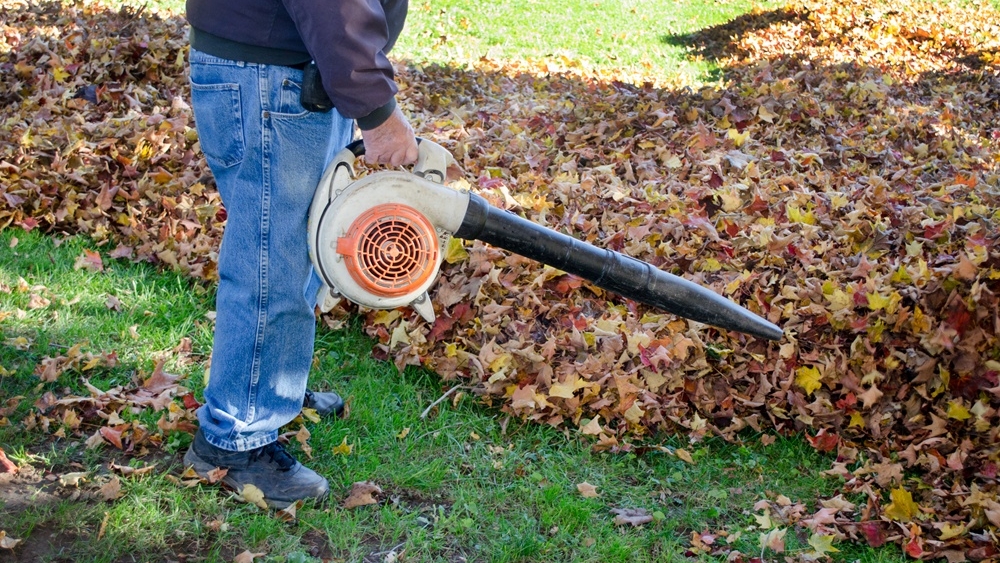
Are you enjoying the change in color on the landscape? Fall is certainly upon us as we see the leaves turning color and falling from the trees. It’s the time of year where fall cleanup will soon be in full swing. With the temperature dropping and the leaves changing color, they are falling to the ground covering your yard in what seems like a never ending task of clean up.

As you step outside with your rake or leaf blower, be sure to use the proper eye and ear protection to help keep you safe. Dead leaves tend to break apart as your rake them up or use your leave blower to corral them into a pile. Having proper eye safety can help prevent pieces of these leaves from being blown into your eyes. October is eye safety awareness month. Every year, 2.5 million eye injuries occur, and almost half of those injuries take place in the home.

While using a rake can seem harmless, when working outside moving large amounts of leaves, sticks, and other debris from your yard, you run the risk of having a foreign object enter your eye. I’m sure as a child you remember raking a giant pile of leaves and then jumping into them. Your kids will find the same joy that you did when you were younger. Perhaps you ended up with pieces of leaves in your eyes as you jumped into that massive pile. If your children are having fun with piles of leaves and get something in their eyes, be sure to flush with water to clean the eye.

If you’re using a leaf blower you may feel as though there is no danger, that all of the leaves are being blown away from you. Your eyes and ears are at danger of permanent damage when using a leaf blower if proper protection is not worn. Like any engine, leaf blowers, even electric ones, emit sound. This sound can be harmful to your ears and can cause hearing loss. A good sign of needing hearing protection is if you hear ringing, or feel uncomfortableness during or after the use of power tools. Next is to be sure to have eye protection. Even sunglasses are a good source of protection when using a leaf blower. As you blow the leaves, they get thrown up into the air where the wind can grab them and pull them back toward you. This can cause dirt and dust particles that have also been picked up to be blown back toward you. If they get into your eyes you can experience discomfort and may also scratch your cornea.

When using chemicals to clean stains before winter sets in, be sure to wear eye protection. Fully read labels on all chemical products. Never mix chemicals like bleach, detergents and cleansers together. Use cleaners and chemicals in well-ventilated areas, and wear safety goggles to avoid chemical splashes.

Remember this year as you step outdoors that even a simple pair of sunglasses can help to protect your vision. If you intend on using power tools to help clear the yard of those pesky leaves, add ear protection while using power tools along with the eye protection. Happy raking!

About the author: John D. Bissell, owner of Bissell Eye Care and Tri-State Low Vision Services, offers comprehensive eye examinations for the entire family, ocular disease detection and treatment, eye glasses, sun glasses, active wear, contact lenses, and low vision examinations for those with significant vision loss. He has undergone specialized training for treatment of low vision by the International Academy of Low Vision Specialists utilizing customized telescopic eyeglasses, prisms and telescopic implants for patients who qualify. The practice accepts most types of vision and health insurance plans.

ENJOYING THE OUTDOORS

Gardener strimming and strimmer

As spring appears and everything begins to bloom it becomes that time of year when construction, spring cleaning, and landscaping start. Many people take the time to knock out a spring project or two in order to spruce up around the house and make it look nicer.

As you step outdoors remember the eye protection. Eye protection from not only foreign debris entering the eye but also from the sun. Your eyes, much like your skin, are sensitive to the UV Rays that are left off by the sun. Make sure that you have the proper eye protection to help prevent you from landing in the doctor’s office.

We often get excited when the temperatures jump above 50 and the sun starts to shine through the clouds. It’s the first sign of spring and it gives us a chance to work around the house, dust off the work gloves and bask in the warm spring air. I urge people as they step outdoors, whether it is to trim the shrubbery or maybe repaint the shed – grab those safety glasses. While regular glasses can help to prevent anything from entering the eye they do not stop objects from getting around the top, bottom or sides of the glasses. That is why when you are selecting your eye protection you choose a pair of glasses that are more form fitting to your face to reduce the possibility of injury.

The next thing to pay attention to is the sun. We have talked about snow blindness in previous blogs. We want to stress that this can happen even in the absence of snow. It is most common when there is a reflective surface, such as snow or water, where the UV rays can be reflected up into your eyes increasing the level of exposure to the sun. Don’t forget when you decide to get out and enjoy the warm weather to grab a pair of sunglasses with proper UV protection.

If you do suffer from an eye injury, whether it be a foreign object in the eye or the effects of the sun, it is important to seek medical attention. A foreign object in the eye can be painful and in some cases can cause permanent damage to your eye sight. By seeking proper medical help you can help minimize permanent injury.

About the author: John D. Bissell, owner of Bissell Eye Care and Tri-State Low Vision Services, offers comprehensive eye examinations for the entire family, ocular disease detection and treatment, eye glasses, sun glasses, active wear, contact lenses, and low vision examinations for those with significant vision loss. He has undergone specialized training for treatment of low vision by the International Academy of Low Vision Specialists utilizing customized telescopic eyeglasses, prisms and telescopic implants for patients who qualify. The practice accepts most types of vision and health insurance plans.