January is National Glaucoma Awareness Month

Glaucoma Awareness Month

January is Glaucoma Awareness Month. In the United States, Glaucoma is the leading cause of vision loss and blindness. While it is commonly believed that only diabetics can suffer from glaucoma, anyone is susceptible to this condition. Because glaucoma has no early symptoms, it is important to continually monitor your eyes and have an annual comprehensive eye exam to ensure continued eye health. This Glaucoma Awareness Month, make sure you are caring for your vision and know what signs to look for!

Glaucoma – “Thief of Sight”

Glaucoma is a group of conditions damaging your eye’s optic nerve, usually when fluid builds in the front of your eye. Increased pressure due to this fluid damages the optic nerve, leaving you susceptible to eventual vision loss. As optic nerve fibers die, you will develop blind spots in your vision. Once all fibers die, you will become blind.

This condition remains the leading cause of blindness in people over 60, but can be prevented with vigilance and early treatment. Unfortunately, any damage done by glaucoma is irreversible, so it is extremely important to be aware of your risk level as open-angle glaucoma is hereditary.

No Symptoms

Glaucoma can be additionally tricky to prevent and treat because of the lack of early symptoms. In fact, it is believed that half the people who have glaucoma do not know. While anyone can potentially develop this condition, some demographics are at higher risk. These groups include:

  • Diabetics and those with high blood pressure.
  • Everyone over the age of 60, particularly Hispanics.
  • African Americans over the age of 40.
  • People with a family history of glaucoma.
  • Users of long-term steroid medication.
  • People who have had an eye injury.

If you are included in any of these groups, we recommend additional vigilance. One of the only symptoms of glaucoma is higher than normal eye pressure. If you begin noticing increased pressure in your eyes, schedule an exam with one of the doctors at Bissell Eye Care. While there is currently no cure for glaucoma, early intervention can often stop the damage in its tracks. Our doctors can help you determine if you are showing signs of glaucoma and determine treatments to help you protect your eyes.

Annual Exams

Glaucoma is a serious condition and early treatment is essential to preserve your vision and your general eye health. To ensure proper eye health and potentially prevent glaucoma, you should always schedule annual eye exams. The only way to determine if you are suffering from glaucoma is to have a comprehensive dilated eye exam, often done during your regular annual exam. Call Bissell Eye Care at 724-443-6767 or 724-226-0444 to schedule your annual exam and take full advantage of Glaucoma Awareness Month!


About Bissell Eye Care: John D. Bissell, OD owns and operates Bissell Eye Care servicing Northern Pittsburgh and Alle-Kiski Valley regions. With two locations to treat patients, we offer evening and Saturday appointments. Bissell Eye Care provides comprehensive eye examinations for the entire family beginning as early as 6 months, ocular disease detection and treatment, eyeglasses, sunglasses, activewear, contact lenses, and low vision examinations for those with significant vision loss. We accept most types of vision and health insurance plans. For more information, visit bisselleyecare.com or call our Bakerstown Office at 724-443-6767 or Natrona Heights office at 724-226-0444.

Dry Eyes

The Dangers of Dry Eyes

When it comes to our vision, dry eyes may not seem like something we need to worry much about. However, the reality is that dry eyes can pose damage on our vision. Despite being very common, not everyone knows how to prevent or the most effective treatment of dry eyes.

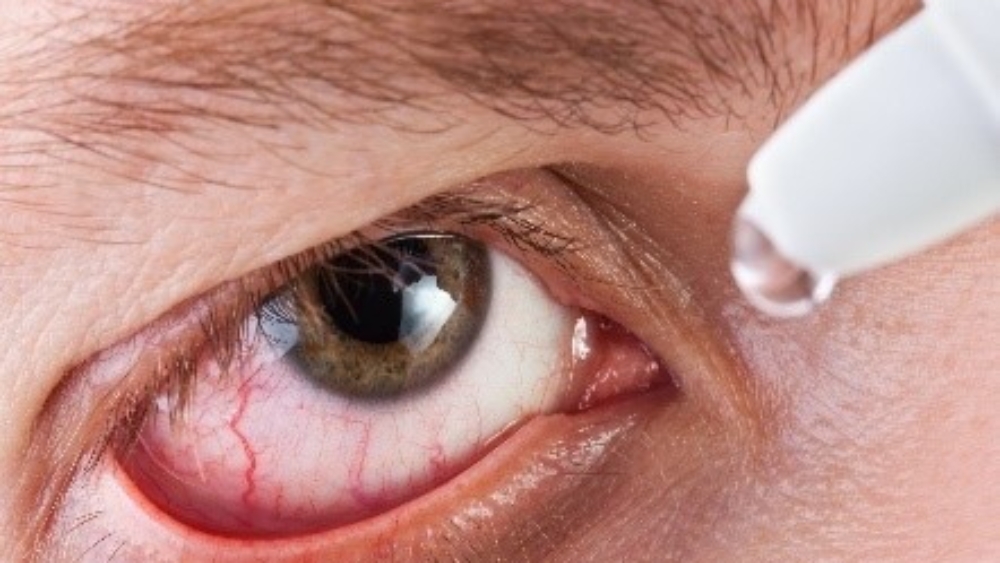
Dry eye is classified as when a person does not have enough tears to properly lubricate and nourish their eyes. Quality tears are essential to maintaining the health of the front of the eye, as well as for maintaining clear vision. Symptoms of dry eyes commonly include but are not limited to, redness, stringy mucus near the eye, blurry visions, and stinging, scratching, or burning sensations.

Cold Weather

This January is shaping up to be a cold one! As we begin to see a drop in temperatures and forecasts of snow are on the rise, it is important to consider the effect this weather can have on your eyes. While many factors can lead to dry eyes, cold weather is a common one especially during this time of year.

Environmental factors such as lower indoor humidity and high winds, commonly associated with winter weather, can easily contribute to dry eyes as they contribute to tear evaporation. To protect yourself from developing worsening symptoms, you can implement the use of artificial tears, eye ointments, humidifiers, and warm compresses to help your eyes produce quality tears and remain properly lubricated.

Sign of Aging

In addition to cold weather, dry eyes can also naturally be caused by the aging process. In fact, most adults over the age of 65 experience some symptoms of dry eyes. Studies have also shown that the risk for dry eye increases every five years after the age of 50 in both women and men, though women are thought to have a generally higher susceptibility.

As we grow older, the lacrimal gland in our eyes naturally produces a lower number of tears necessary to maintain proper eye lubrication. While growing older is unavoidable, dry eyes do not have to be. To offset the effect of this and other factors for dry eye caused by the aging process, you may consider using over-the-counter treatments like eye drops, drinking at least 8 cups of water a day, using a humidifier in your home, and reducing screen time.

Computer Strain

Consistent computer use has also been shown to commonly cause eye strain, irritation, burning sensations, and eye dryness. It is common for computer users to have a decreased blink rate, which can contribute to dry eyes by way of an improper level of lubrication. For contact lens wearers, this is found to be even higher.

Because computer use is increasingly an unavoidable part of our society, it is essential to make sure you are properly caring for your eyes and compensating for any strain or dryness looking at a screen may cause. Patients should consider the use of lubricating eye drops (those designed for use for contact lens wearers) to improve and reduce dryness and irritation. You should also try to take frequent breaks from using your computer and maintain a fair distance between yourself and the screen.

If you believe you are suffering from dry eyes, the condition can be diagnosed through a comprehensive eye exam. The doctors at Bissell Eye Care may also choose to evaluate the quantity and quality of the tears your eyes are producing to check for any abnormalities. External examination of the eye and a review of your patient history may also help your doctor determine if you are suffering from dry eyes and how to proceed with treatment.


About Bissell Eye Care: John D. Bissell, OD owns and operates Bissell Eye Care servicing Northern Pittsburgh and Alle-Kiski Valley regions. With two locations to treat patients, we offer evening and Saturday appointments. Bissell Eye Care provides comprehensive eye examinations for the entire family beginning as early as 6 months, ocular disease detection and treatment, eyeglasses, sunglasses, activewear, contact lenses, and low vision examinations for those with significant vision loss. We accept most types of vision and health insurance plans. For more information, visit bisselleyecare.com or call our Bakerstown Office at 724-443-6767 or Natrona Heights office at 724-226-0444.

November is Diabetes Month

National Diabetes Awareness Month

November is National Diabetes Awareness Month. For the over 10% of the United States population with diabetes, this month serves as a reminder to take care of your health. In particular for diabetics, regular eye exams are essential to maintaining your eyesight.

Because obesity is running ramped, being overweight and often not eating properly has led to an increasing diagnosis of diabetes among young and old alike. According to the American Federation for the Blind, approximately 33% of Americans with Diabetes are unaware they have the disease.

Importance of Eye Exams

Eye care is important for everyone, but for diabetics, vigilance is especially important. If you do have diabetes, the National Institutes of Health recommends annual comprehensive dilated eye exams. While caring for your diabetes in other ways, such as monitoring your blood sugar, cholesterol, and blood pressure are essential, so too is caring for your eyes.

Diabetic eye disease is the leading cause of vision loss among working-age adults. Diabetes impacts the eyes when blood glucose and blood sugar rise to dangerous levels, causing changes in the eye fluid levels, swelling of tissues, and blurry vision. When these levels stay elevated for longer periods of time, the result can be permanent eye damage. While this is common among diabetics, it also happens in those who are prediabetic.

Your eye care team at Bissell Eye Care can help you stay healthy and protect your vision. Because certain conditions can be hard to detect until more serious stages, it is important to have regular eye exams. Seeing your eye doctor regularly can allow them to take note of any changes in your vision.

What Comprehensive Eye Exams Can Uncover?

Comprehensive eye exams can uncover serious conditions like glaucoma, cataracts, and diabetic retinopathy. During these exams, a patient’s eyes are dilated to widen your pupil. This allows the doctors at Bissell eye care to examine your retina more closely. Bissell Eye Care also offers 3-D optic nerve and retinal imaging, which can also help uncover potential unknown eye conditions that would benefit from immediate treatment.

Diabetic retinopathy usually has no symptoms until vision loss occurs, but annual dilated eye exams can identify signs of it. In fact, about 90% of diabetes-related blindness is preventable through early detection, timely treatment and appropriate follow-up care. With all this to consider, do yourself a favor this November and schedule an eye exam at Bissell Eye Care if you’ve not already done so.


About Bissell Eye Care: John D. Bissell, OD owns and operates Bissell Eye Care servicing Northern Pittsburgh and Alle-Kiski Valley regions. With two locations to treat patients, we offer evening and Saturday appointments. Bissell Eye Care provides comprehensive eye examinations for the entire family beginning as early as 6 months, ocular disease detection and treatment, eyeglasses, sunglasses, activewear, contact lenses, and low vision examinations for those with significant vision loss. We accept most types of vision and health insurance plans. For more information, visit bisselleyecare.com or call our Bakerstown Office at 724-443-6767 or Natrona Heights office at 724-226-0444.

Cataract Awareness Month

Tips on Cataracts and Eye Floaters

June is Cataract Awareness Month. Did you know by the age of 80, more than half of all Americans either have a cataract or have had cataract surgery?

What happens when you have a cataract?

Cataracts are a clouding of the lens of the eye, which prevents the passage of light into the eye. Seeing with cataracts is like looking through a frosty or fogged window. Cataract sufferers may also experience sensitivity to light, see “halos” around lights, notice fading or yellowing colors or have double vision in one eye.

The solution to cataracts is cataract surgery, which requires a surgeon to remove the deteriorated lens and replace it with an artificial lens called an intraocular lens or IOL. There are over 3 million cataract surgeries performed in the US each year with each surgery lasting about 20 minutes. Recovery time is minimal and most people can resume normal activities fairly rapidly.

Diseases such as diabetes, lifestyle choices such as smoking, excessive alcohol use, and prolonged exposure to UV rays all can contribute to your chances of developing cataracts.

Did you know there are different types of cataracts?

  • Secondary cataract. A side effect of the cataract surgery procedure affecting approximately 1/3 of the people who have had surgery is that cataract symptoms return. The side effect is called posterior capsule opacification, also known as a secondary cataract.
  • Traumatic cataract. Cataracts can develop after an eye injury, sometimes years later.
  • Congenital cataract. Some babies are born with cataracts or develop them in childhood, often in both eyes. These cataracts may be so small that they do not affect vision. If they do, the lenses may need to be removed.
  • Radiation cataract. Cataracts can develop after exposure to some types of radiation.

Moving Spots Called Eye Floaters

Do you ever see moving spots that appear in your field of vision? They’re called eye floaters and could be especially noticeable when you look at something bright, such as white paper or a blue sky. As you age, often between the ages of 50 and 75, the vitreous and its millions of fine collagen fibers shrink and become shred-like. Shreds can accumulate in the vitreous that can cause a change in the amount of light that hits the retina — the light-sensitive tissue in the back of the eye. This change causes the symptoms of eye floaters.

Eye floaters can be annoying, but they generally don’t interfere with your sight and can improve over time. These floaters come in many shapes such as black or gray dots, squiggly lines, threadlike strands, which can be knobby and semi-transparent, cobwebs, or ring shaped.

But sometimes eye floaters are a sign of a more serious condition as a result of a retinal detachment, retinal tear, or bleeding within the eye. You should seek immediate medical attention if you notice a sudden increase in the number of eye floaters or the floaters are accompanied by flashes of light or a loss of side vision.

Annual eye exams to include dilation can detect the onset of cataracts, eye floaters, as well as other types of eye disease. These preventive measures, along with healthy eating will help to maintain overall eye health. Call 724-444-6767 or 724-226-4444 to schedule your exam today!


About Bissell Eye Care: John D. Bissell, OD owns and operates Bissell Eye Care servicing Northern Pittsburgh and Alle-Kiski Valley regions. With two locations to treat patients, we offer evening and Saturday appointments. Bissell Eye Care provides comprehensive eye examinations for the entire family beginning as early as 6 months, ocular disease detection and treatment, eyeglasses, sunglasses, activewear, contact lenses, and low vision examinations for those with significant vision loss. We accept most types of vision and health insurance plans. For more information, visit bisselleyecare.com or call our Bakerstown Office at 724-443-6767 or Natrona Heights office at 724-226-0444.

Depositphotos_25792959_S

Tips to Better Eye Health

By taking control of your eye health now, you could set yourself up for a lifetime of seeing well. We’d like to share some tips to keep you and your family healthy. Just because your eyes feel okay doesn’t necessarily mean there isn’t an underlying eye problem. Often patients take their eyesight for granted until they begin having problems with their vision. When day-to-day activities become challenging, that will trigger a call for an eye appointment. Having good vision and healthy eyes may determine your ability to remain independent and self-sufficient.

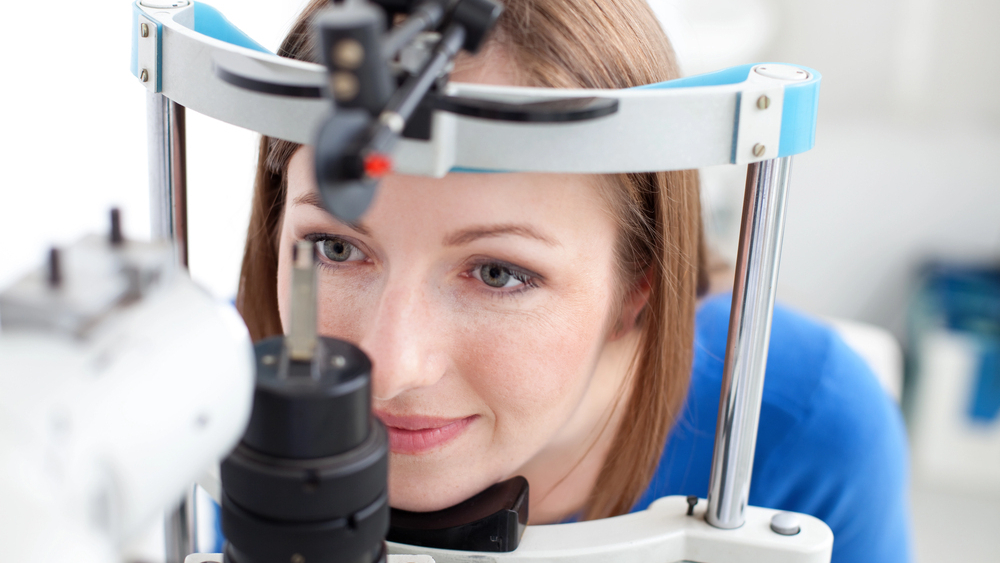
Did you know an annual comprehensive dilated eye exam is the best thing you can do for your eyes? The eye drops dilate or (widen) your pupil. Think of it this way, dilating your pupil lets more light into your eye — just like opening a door lets light into a dark room. Dilation helps the doctors at Bissell Eye Care see further into the eye enabling them to check for many common eye problems, including diabetic retinopathy, glaucoma, and age-related macular degeneration (AMD).

Detection is key to preventable vision loss. The good news is most vision loss is preventable. Here are some additional tips to take control of your eye health today:

  1. Early signs of disease or changes in vision may begin at 40. Get a yearly comprehensive medical eye exam. A comprehensive eye exam to include dilation by an eye care professional provides the opportunity to identify diseases and conditions that are not symptomatic in the early stages.
  2. Know your family history. Certain eye diseases can be inherited – macular degeneration and glaucoma in your family’s history can increase your risk by 50% for macular degeneration and from four to nine times for glaucoma. If you haven’t talked with family members about their eye conditions, now is the time to do so.
  3. Eat healthy foods. A diet low in fat and rich in fruits, vegetables, and whole grains benefit the entire body, including the eyes.
  4. Stop smoking. Smoking increases the risk for eye diseases such as cataract and age-related macular degeneration. Tobacco smoke worsens dry eye.
  5. Wear sunglasses. Exposure to ultraviolet UV light raises the risk of eye diseases, including cataracts, fleshy growths on the eye, and cancer.
  6. Bacteria will form from your eyelashes and requires daily eyelid hygiene. Like brushing your teeth, your eyelids need daily care. Hot compresses help keep tear-producing glands working at top efficiency.

In a comprehensive eye exam at Bissell Eye Care, our state-of-the-art technology allow us to look at the overall health of your eyes. During these exams, we may discover conditions that affect your eyes. In some cases, we may uncover an underlying medical condition in your overall general health. This will ultimately help your medical doctor to provide care toward your overall wellbeing.

By taking control of your eye health now, you could set yourself up for a lifetime of seeing well. If you haven’t scheduled your annual eye exam – now is the time to do so. The choices you make today will affect the overall quality of life as you age.


About Bissell Eye Care: John D. Bissell, OD owns and operates Bissell Eye Care servicing Northern Pittsburgh and Alle-Kiski Valley regions. With two locations to treat patients, we offer evening and Saturday appointments. Bissell Eye Care provides comprehensive eye examinations for the entire family beginning as early as 6 months, ocular disease detection and treatment, eyeglasses, sunglasses, activewear, contact lenses, and low vision examinations for those with significant vision loss. We accept most types of vision and health insurance plans. For more information, visit bisselleyecare.com or call our Bakerstown Office at 724-443-6767 or Natrona Heights office at 724-226-0444.

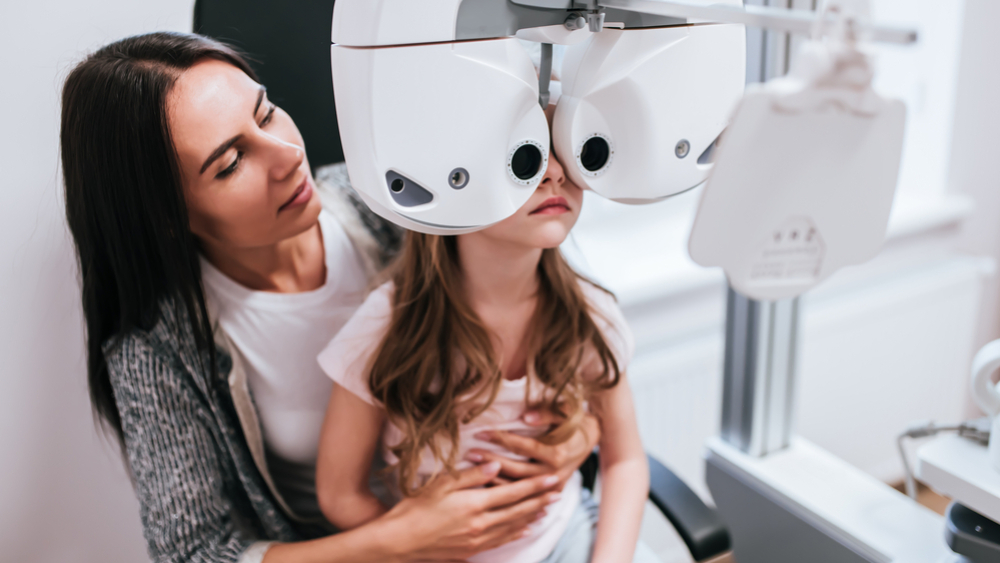
Mom with daughter in ophthalmology clinic

What to Expect at My Child’s First Eye Exam

American Optometric Association (AOA), states “infants should have their first comprehensive eye exam at 6 months of age.” Did you know that Bissell Eye Care provides eye examinations for free to children as young as 6 months up to one year old? As children enter preschool around 3 years of age they should be rechecked and then again right before kindergarten. Experts say 5 -10 % of preschoolers and 25 % of school-aged children have vision problems.

During a child’s eye exam, we will perform three assessments, including a vision test, pupil test, and eye movement test. You’ll be asked about your family’s medical history, your child’s medical history, developmental observations and any vision problems that you might be observing with your child.

We encourage you to stay with your child through the entire examination. Infants and small children sit on a parent’s lap during the exam. Older children are encouraged to sit in the exam chair by themselves.
Eye drops are used to dilate the pupils, which gives the optometrists a better view of the structures inside the eye, such as the retina, optic nerve, and blood vessels. The drops take about 30 to 45 minutes to become fully effective.

The Bissell Eye Care optometrists will carefully observe each eye as your child follows lights or toys. This gives a very good estimate of a child’s visual function. Children do not need to be able to talk or read to get an accurate eyeglass prescription. Children who talk but cannot read or count may be asked to identify pictures of common objects.

Once the dilation drops kick in, the doctor will use a retinoscope, a handheld polarized light, and lenses to read each of the eye’s red reflex. This allows the doctor to get an accurate eyeglasses prescription without feedback from the patient, allowing nonverbal or young children to get glasses.

These same eye drops also cause a temporary weakness of the eyes’ focusing muscles. This allows us to determine if your child has a focusing or refractive error that requires glasses. Refractive errors include:

  • Nearsightedness (myopia)
  • Farsightedness (hyperopia)
  • Distorted vision (astigmatism)

You may notice many preschools are starting to advertise registration for the 2020-2021 school year. Young children depend on their vision to learn tasks that will prepare them for school. During this time in their lives, they are developing the visually-guided eye-hand-body coordination, fine motor skills and visual perceptual abilities necessary to learn to read and write.

Early identification of a child’s vision problem is crucial because, if left untreated, some childhood vision problems can cause permanent vision loss. The AOA estimates one in four school-aged kids have undetected vision problems that critically impact their visual perceptual skills -better known – as the 3 R’s:

  • RECOGNITION — knowing the difference between letters like ‘b’ and ‘d’
  • COMPREHENSION — ‘picturing’ what’s happening in a story they’re reading
  • RETENTION – remembering and recalling details about what they’ve just read

Here are some tips for eye exams for young children:

Schedule the appointment during a time when your child is alert and happy taking into account napping and eating times.
A case history will be conducted to determine birth history, birth weight, medical issues, and any allergies
Be sure to note any delayed motor development, failure to maintain eye contact, poor eye tracking, frequent eye rubbing or blinking.

Prepare your child for success as they enter preschool and beyond. To schedule your child’s eye exam, give our offices a call at 724-443-6767 or 724-226-0444.

About Bissell Eye Care: John D. Bissell, OD owns and operates Bissell Eye Care servicing Northern Pittsburgh and Alle-Kiski Valley regions. With two locations to treat patients, we offer evening and Saturday appointments. Bissell Eye Care provides comprehensive eye examinations for the entire family beginning as early as 6 months, ocular disease detection and treatment, eyeglasses, sunglasses, activewear, contact lenses, and low vision examinations for those with significant vision loss. We accept most types of vision and health insurance plans. For more information, visit bisselleyecare.com or call our Bakerstown Office at 724-443-6767 or Natrona Heights office at 724-226-0444.

Contact Lenses

TIPS TO AVOID MISUSE OF CONTACT LENSES

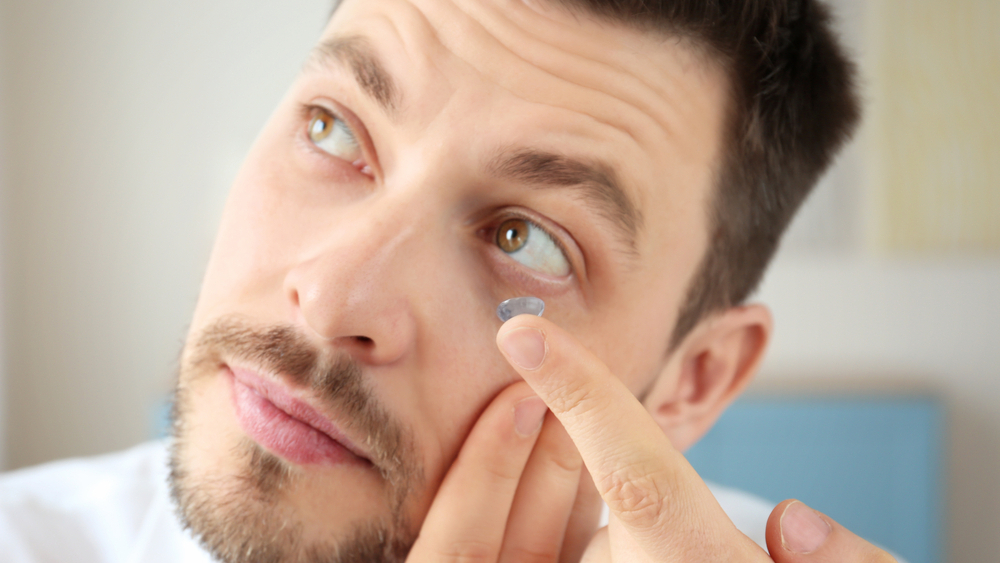
Contact lenses – you either love them or can’t wear them. If you are a contact lens wearer you have more than likely noticed how far we have come in the development of contact lenses since you started using them. Perhaps you have also been guilty of ignoring the wearing and care instructions from your optometrist. In a recent study 99% of people admitted they practiced at least one bad habit with their contact lenses and that puts them at a higher risk for eye infections.

Contacts are a convenient alternative to wearing eyeglasses. If you are like many Americans you have become quite accustomed to your contacts and may sometime forget you have them in. This usually leads to pushing the envelope on wearing them or leaving contacts in at times when you should not. Contaminated solutions can lead to infection. Are you changing the solution in your cases daily?

While contacts are more convenient and provide a greater range of clarity than glasses, improper handling can lead to eye infections. People who wear contact lenses have a higher risk for keratitis, an infection of the cornea, the clear outer covering of your eye. They’re also called corneal ulcers. Viruses, bacteria, fungi, and a rare but serious eye parasite can also cause keratitis.

Depending on the type of contact lenses you have, some of the most common misuses for contacts are:

  • Wearing contact lenses overnight while sleeping.
  • Napping while wearing lenses.
  • Nonuse of a sterile wetting solution
  • Topping off your disinfecting solution in lens storage case rather than emptying it and using new solution.
  • Using your contact lenses longer than recommended.
  • Not replacing the lens storage case at least once every 3 months.

Not surprising that of those surveyed nearly one-third of respondents reported having red and or painful eye pain that resulted in a visit to the doctor.

Mild pinkeye can be caused by solutions used for cleaning contacts. It is important to clean your contacts thoroughly to remove any virus or bacteria from the contacts after having pinkeye. If the contacts are not thoroughly cleaned, they can re-infect your eye. Do not wear contact lenses until the pinkeye is gone. Sterilize your contacts, and clean your storage case. If you wear disposable contacts, use a new pair when your eye has cleared and it is safe to wear contacts again. Wait at least 2 days after the symptoms are gone before you wear contacts again.

Following these steps along with the recommended use from the contact lens manufacturer will help to prevent eye irritation or infection. If you do find that your eye becomes irritated take the contact lenses out immediately and use your prescription glasses. If the irritation and pain become worse or does not improve, seek medical attention immediately as these are signs of an infection in the eye.

Enjoy clearer vision with contact lenses, but follow the recommendations for care and cleaning to prevent infection.

About Bissell Eye Care: John D. Bissell, OD owns and operates Bissell Eye Care servicing Northern Pittsburgh and Alle-Kiski Valley regions. With two locations to treat patients, we offer evening and Saturday appointments. Bissell Eye Care provides comprehensive eye examinations for the entire family beginning as early as 6 months, ocular disease detection and treatment, eyeglasses, sunglasses, activewear, contact lenses, and low vision examinations for those with significant vision loss. We accept most types of vision and health insurance plans. For more information, visit bisselleyecare.com or call our Bakerstown Office at 724-443-6767 or Natrona Heights office at 724-226-0444.

Money in Bag

MAXIMIZE YOUR FLEXIBLE SPENDING ACCOUNT (FSA) BENEFITS

Concept words FSA on wooden blocks on beautiful background from dollar bills.

The main purpose and benefit of contributing and using an FSA are any contributions made are pre-tax dollars. However, any qualified medical expenses paid for using the FSA are tax-free dollars. So you effectively pay no taxes on those expenses, by reducing your taxable income.

Flexible Spending Accounts (FSAs), can help you to spend less on your health care while experiencing the maximum tax benefit. However, you must use monies within the current calendar year to reap the rewards. By spending all of the money in your account before the year-end deadline you ensure you are getting the most bang for your buck.

FSAs are pre-tax monies that are placed in an account and are available for use only on approved medical expenses. They differ from a health savings account, HSA, in that the money contributed can only be used for that calendar year. In other words, the FSA accounts are “Use it or Lose it”. As the year quickly draws to a close the question becomes, have you used it?

Common eligible expenses include dentist and doctor visits, procedures, and co-pays, prescription drug costs or co-pays, laser eye surgery, eye exams, contacts, eyeglasses, and chiropractor visits.
If you have any medical conditions that require special equipment or treatment, these expenses are typically covered as well.

While there are no exceptions that allow that money to be directly paid back to you, there are more options than you might expect as to how to spend the extra money. IRS set a maximum FSA contribution limit in 2019 at $2,700 per qualified FSA. If you have monitored the amount spent during the year, you have an idea of what is left to spend down as December quickly approaches.

There are two cases where you can get a little extra time to spend that money.

  • A rollover option. This allows you to move up to $500 to next year’s balance.
  • Grace period. Because most plans fall on the calendar year, this option allows you to use the money for up to 2 ½ months past the end of the year. Why is this? Because during the first few months of the year your account has accrued little funds.

The IRS re-evaluated the FSA “Use it or Lose it” rule because many people were afraid of it (for good reason) and did not contribute at all. Now, the IRS is now allowing employers to implement a $500 carryover rule at their discretion.

Most FSA accounts come with a debit card and usually have one or the other of these two options but CANNOT have both. However, if you are required to submit a claim, be sure to watch the claim windows in which you are required to submit a claim.

How to spend FSA accounts?

If you have quite a bit left in your account, don’t despair. The list of things that you can spend the money on however is pretty large, leaving many surprised what they can purchase using their FSA account. To get a full listing of what you’re allowed to spend money by visiting an online FSA store. These stores only sell items that qualify approved purchases using your FSA account.

Some out-of-the-ordinary expenses you can pay for using your FSA account also include:

  • Chiropractor visits
  • Artificial teeth or limbs
  • Qualified service animals, such as a guide dog, including food and grooming costs
  • Travel that was required for medical treatment.

You may also use the FSA for expenses such as hearing, vision, and dental services even if you don’t have insurance for those services.

Keep track of your FSA account throughout the year and spending in moderation throughout the year will also help to reduce the scramble to use money that you have left as the year comes to an end. Despite the hassle of having to make sure all the money is spent, FSA accounts are a good way to avoid paying taxes on money that is used for medical expenses.

About Bissell Eye Care: John D. Bissell, OD owns and operates Bissell Eye Care servicing Northern Pittsburgh and Alle-Kiski Valley regions. With two locations to treat patients, we offer evening and Saturday appointments. Bissell Eye Care provides comprehensive eye examinations for the entire family beginning as early as 6 months, ocular disease detection and treatment, eyeglasses, sunglasses, activewear, contact lenses, and low vision examinations for those with significant vision loss. We accept most types of vision and health insurance plans. For more information, visit bisselleyecare.com or call our Bakerstown Office at 724-443-6767 or Natrona Heights office at 724-226-0444.

Diabetes Complications

DIABETES AWARENESS MONTH

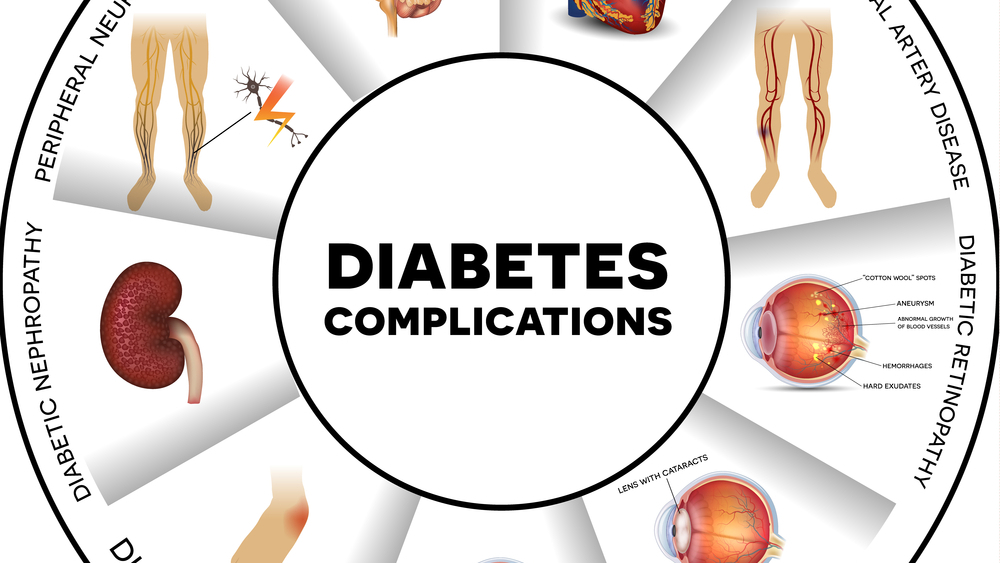
November is Diabetes Awareness Month. If you are one of the estimated 29.1 million people that have diabetes, then you have most likely discussed with your doctor about possible health-related issues that come with the disease. Diabetes also can also harm your eyesight. Obtaining regular screenings will allow you to monitor your health and react to any changes that may have occurred.

The American Academy of Ophthalmology (and the American Diabetes Association) recommend patients with type 1 diabetes receive an eye exam within the first 5 years after diagnosis, then one exam per year. The groups recommend those with type 2 diabetes receive an eye exam as soon as diabetes is diagnosed, and then once yearly.

All people with diabetes are at risk of developing eye disease that can permanently damage their vision and even lead to blindness. However, some steps can be taken to help prevent diabetic eye disease, including:

  • Managing good blood sugar, blood pressure, and cholesterol control
  • Scheduling a yearly comprehensive dilated eye exam
  • Women with diabetes before pregnancy should have a comprehensive dilated eye exam early in their pregnancy. Additional exams may be recommended during pregnancy.
  • Maintaining a healthy lifestyle by exercising regularly, not smoking and following a healthy diet.

While everyone needs to schedule routine eye exams, people with diabetes need to be especially vigilant in scheduling their annual exams. Diseases such as glaucoma, cataracts, and retinopathy are best treated when they are detected early and are often associated with diabetes. Talk to your eye doctor about any concerns or vision loss you may be experiencing for the best chances of early detection and treatment.

Patients often ask, “Why do I have to have my eyes dilated?” A comprehensive dilated eye exam allows our doctors to check the retina for early signs of diabetic eye disease damage such as:

  • Warning signs of leaky blood vessels, such as fatty deposits
  • Changes to blood vessels
  • Changes in the lens
  • Swelling of the macula
  • Damage to nerve tissue

Glaucoma occurs when pressure builds inside the eye and is 40% more likely to occur in individuals who have diabetes. The pressure pinches blood vessels that carry blood to the retina and optic nerve. Vision is gradually lost as the retina and nerves are damaged from the increase in pressure. There are several treatments available for Glaucoma however some treatments may require surgery. Early detection of high pressure may be able to be managed by medication. Maintaining the proper eye pressure is key to preventing permanent damage to the eye.

As we age many people run a higher risk of developing cataracts. Those with diabetes are 60% more likely to develop them. By detecting cataracts early you can help to slow down the progression. The typical corrective action for cataracts is to remove the lens of the eye. Patients then would typically receive a new transplanted lens. In people with diabetes, vision can get worse after the removal of the lens and glaucoma may start to develop so additional treatment may be necessary.

Retinopathy is a general term used for all disorders of the retina that are caused by diabetes. The good news that there have been giant strides in the past decade on treatment for retinopathy.
Have you noticed a pattern? Particularly those with diabetes must be extra vigilant with screenings and health checkups. The key to being able to keep your vision as clear as possible when you suffer from diabetes is early detection. Keep in mind that you often can lose more than 60% of your vision before you begin to notice significant differences.

Talk with your doctor if you have diabetes so you know what symptoms to look for and schedule your annual vision screening.

About Bissell Eye Care: John D. Bissell, OD owns and operates Bissell Eye Care servicing Northern Pittsburgh and Alle-Kiski Valley regions. With two locations to treat patients, we offer evening and Saturday appointments. Bissell Eye Care provides comprehensive eye examinations for the entire family beginning as early as 6 months, ocular disease detection and treatment, eyeglasses, sunglasses, activewear, contact lenses, and low vision examinations for those with significant vision loss. We accept most types of vision and health insurance plans. For more information, visit bisselleyecare.com or call our Bakerstown Office at 724-443-6767 or Natrona Heights office at 724-226-0444.
Dry Eyes and Healthy Aging

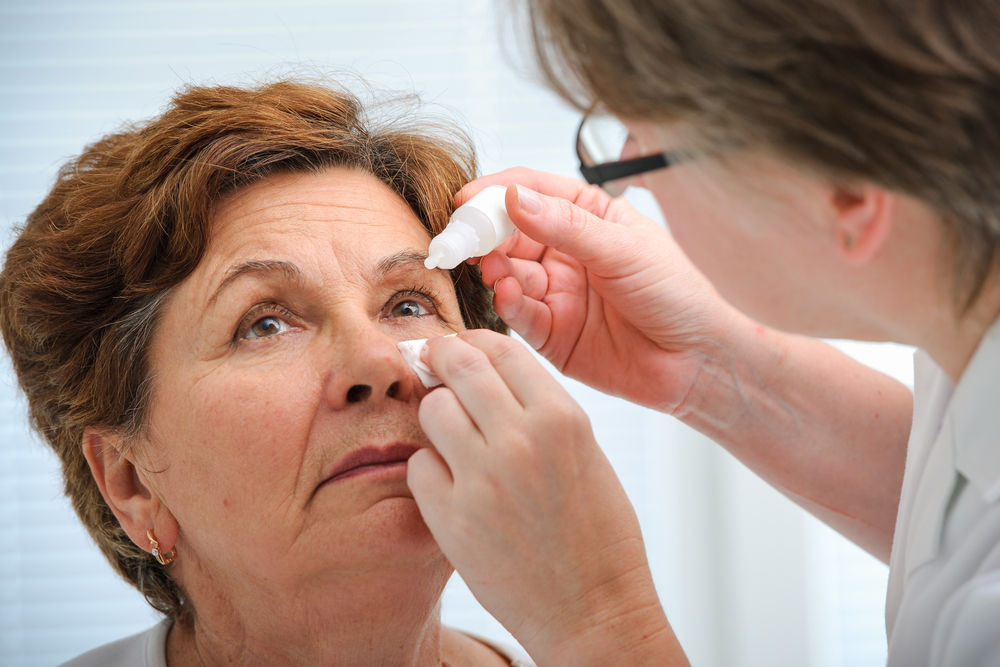
Eye drops for dry eyes

We’re rolling into another season of the year as summer winds down and the nights are getting dark earlier. September is National Healthy Ageing Month and we want to point out some advantages of annual exams and health visits. When it comes to your vision many diseases can be slowed down, stopped, or even reversed if caught early. Having routine screenings helps to give a baseline for your doctor to better be able to notice changes in your eyes.

If your eyes aren’t giving you any discomfort, they may become a second thought. However, a condition called dry eye can become unpleasant, painful and create a gritty feeling as well as blurred vision. Based on data from the National Health and Wellness Survey, 6.8 percent of the United States adult population (approximately 16.4 million people) have been diagnosed with Dry Eye Disease with women more likely to develop dry eyes after menopause.

Tears are made up of three layers. The layer closest to the cornea is a thin mucus that helps tears adhere to the surface. The middle layer contains the watery portion of the tears. The outer layer is composed of fatty oils. A proper mix helps maintain healthy tears, which coat and lubricate the eyes, nourish cells, wash away dust and other irritants to ward off infection and keep the surface smooth so you can see clearly.

Certain medical conditions can impact our tear function, triggering dry eye — among them, systemic autoimmune diseases (such as rheumatoid arthritis and lupus), as well as diabetes, strokes and thyroid problems. Antihistamines, decongestants, blood pressure medications, antidepressants, and anti-anxiety medication, and hormone replacement therapy to relieve symptoms of menopause can also lead to dry eyes.
If you suffer from dry eyes, these tips can help alleviate dry eye symptoms:

  • Take a tech break – using the 20 20 20 rule. Look away from the screen every 20 minutes, focusing on something 20 feet in the distance for at least 20 seconds.
  • Increase moisture in your environment with the use of a humidifier.
  • Protect your eyes from nature’s elements with wrap-around frames to protect from wind, frigid temps and bright sunlight.
  • Limit contact usage by switching to daily disposable lenses or wear glasses
  • Over-the-counter eye drops may provide some relief but prescription artificial tears may add relief if over the counter options don’t work.
  • Clean eyelids regularly with a mild cleanser or eyelid scrub such as Ocusoft.

Vision loss is not always noticeable immediately. Many times an individual can lose a significant amount of vision before it becomes noticeable. When vision loss is detected early, the person stands a much greater chance of being able to slow down or even prevent their vision loss.

Medical screenings are important too. Annual physicals, bloodwork, and regular cancer screenings can be a pivotal point of identifying a problem and taking the proper steps to treat it. These screenings also provide peace of mind that you are as healthy as you can be.

Diet and exercise also play in role in healthy aging. It’s easy to come home from a long day at the office, run through the take out window and grab a quick bite. Taking time to plan and cook meals on the weekend allows for better eating habits and healthier food all around.

Put regular exercise into your routine that will help shed some unwanted pounds. Take a walk at lunch or right after work if you can. As we grow older, gone are the responsibilities of running kids to their various activities. Make taking care of yourself the priority and put exercise into your calendar.

While we, at Bissell Eye Care, focus on vision and helping our patients to see to the best of their ability, we want to stress that importance of not just routine eye appointments, but all suggested medical appointments and screenings. As we age it becomes more important than ever to take care of yourself. The quality of our lives as we age, will depend on what we do today.

About Bissell Eye Care: John D. Bissell, OD owns and operates Bissell Eye Care servicing Northern Pittsburgh and Alle-Kiski Valley regions. With two locations to treat patients, we offer evening and Saturday appointments. Bissell Eye Care provides comprehensive eye examinations for the entire family beginning as early as 6 months, ocular disease detection and treatment, eyeglasses, sunglasses, activewear, contact lenses, and low vision examinations for those with significant vision loss. We accept most types of vision and health insurance plans. For more information, visit bisselleyecare.com or call our Bakerstown Office at 724-443-6767 or Natrona Heights office at 724-226-0444.