WHAT’S IN YOUR GARDEN?

With spring quickly turning to summer, the annual duties of weeding and watering the gardening have started.  For many people this also means a change in their diet as fresh vegetables are more readily available, and free!  A proper diet is not only good for your overall health, but can help to keep your eyes healthy and sharp well into the future.

While there are foods that you should eat that you cannot grow in a garden, there are several vegetables that you can grow that are good for your eyes.  

When deciding your next meal, there are factors to take into account.  Foods that contain a range of vitamins, nutrients, and minerals are known as antioxidants that will help your body to destroy oxidants.

Eating foods with a range of antioxidants may help to prevent several eye conditions such as:

  • Poor night vision
  • Dry eyes
  • Cataracts
  • Age-related macular degeneration
  • Glaucoma

Your eyes need several different types of antioxidants in order to fend off oxidants and stay healthy.

Some of these foods include:

  • Lutein
  • Zeaxanthin
  • Vitamins A, C, E
  • Zinc
  • Omega-3 Fatty Acids
  • Beta-carotene

Your diet should also include foods such as fish, eggs, and nuts, which you would buy from the store.  But if you have a green thumb personality and enjoy having a garden, there are foods you can grow to help your eye sight.

  • Spinach
  • Kale
  • Collards
  • Carrots
  • Tomatoes

The best way to eat is by doing what is called “following the rainbow.” Eating fruits and vegetables that vary in color offer many different vitamins that will help the health of you and your vision. When growing your garden, keep in mind that all vegetables provide nutrients for your body. The ones listed above are vegetables that are found to contain high amounts of antioxidants and nutrients. Happy gardening!

About the author: John D. Bissell, owner of Bissell Eye Care and Tri-State Low Vision Services, offers comprehensive eye examinations for the entire family, ocular disease detection and treatment, eye glasses, sun glasses, active wear, contact lenses, and low vision examinations for those with significant vision loss. He has undergone specialized training for treatment of low vision by the International Academy of Low Vision Specialists utilizing customized telescopic eyeglasses, prisms and telescopic implants for patients who qualify. The practice accepts most types of vision and health insurance plans.

DIABETES AWARENESS MONTH

If you are one of the estimated 29.1 million people that have diabetes, then you have most likely had a discussion with you doctor about possible health related issues that comes with the disease. Diabetes also can have a negative effect on your eyesight. Obtaining regular screenings will allow you to monitor your health and react to any changes that may have occurred.

While it is important for everyone to maintain routine visits with their optometrist, people with diabetes need to be especially vigilant in scheduling their annual exams. Diseases such as Glaucoma, cataracts, and retinopathy are best treated when they are detected early. Talk to your eye doctor about any concerns or vision loss you may be experiencing for the best chances of early detection and treatment.

Glaucoma occurs when pressure builds inside the eye and is 40% more likely to occur in individuals who have diabetes. The pressure pinches blood vessels that carry blood to the retina and optic nerve. Vision is gradually lost as the retina and nerves are damaged from the increase in pressure. There are several treatments available for Glaucoma; however, some treatments may require surgery. Early detection of high pressure may be able to be managed by medication. Maintaining the proper eye pressure is key to preventing permanent damage to the eye.

As we age, many people run a higher risk of developing cataracts. Those with diabetes are 60% more likely to develop them. By detecting cataracts early you can help to slow down the progression. The typical corrective action for cataracts is to remove the lens of the eye. Patients then would typically receive a new transplanted lens. In people with diabetes, vision can get worse after the removal of the lens and glaucoma may start to develop so additional treatment may be necessary.

Retinopathy is a general term used for all disorders of the retina that are caused by diabetes. The good news that there have been giant strides in the past decade on treatment for retinopathy.

Have you noticed a pattern? Particularly those with diabetes must be extra vigilant with screenings and health checkups. The key to being able to keep your vision as clear as possible when you suffer from diabetes is early detection. Keep in mind that you often can lose more than 60% of your vision before you begins to see significant differences. Talk with your doctor if you have diabetes so you know what symptoms to look for and schedule your annual vision screening.

About the author: John D. Bissell, owner of Bissell Eye Care and Tri-State Low Vision Services, offers comprehensive eye examinations for the entire family, ocular disease detection and treatment, eye glasses, sun glasses, active wear, contact lenses, and low vision examinations for those with significant vision loss. He has undergone specialized training for treatment of low vision by the International Academy of Low Vision Specialists utilizing customized telescopic eyeglasses, prisms and telescopic implants for patients who qualify. The practice accepts most types of vision and health insurance plans.

SEE BETTER BY EATING HEALTHY

Age related eye-diseases such as cataracts and macular degeneration commonly cause impaired vision and blindness in older adults. By changing your diet to include proper nutrition, you may be able to help delay or prevent certain eye problems, as well as prevent diseases caused by being overweight.

As children we were always told to eat our vegetables so that we would grow up big and strong. As time passed and you grew older, and wiser, it is often all too easy to forget about those things that our parents instilled in us when we were younger. Simple life choices, such as what you eat, may affect your eye sight more that you think.

Your diet is one of your life choices that will affect the quality of your life both now and as we age. A diet that is high in saturated fat and sugar may increase your risk of eye disease. By choosing a diet that has greens, fruits and vegetables, you may help to prevent eye diseases, along with other health-related conditions that occur with being overweight.

Age-related cataracts and age-related macular degeneration have been shown to occur less frequently in people who eat diets rich in vitamins, minerals, omega-3 fatty acids and healthy protein. You should try to consume at least 5-10 servings of fresh, colorful fruits and vegetables daily.

Proper hydration can also play a role in your eye health. Healthy beverages such as 100% vegetable juice, fruit juices, caffeine free teas and plenty of water, are extremely important to eye health. As you look at the labels, check out the sugar content. Try to consume less juice and more water. By staying properly hydrated you help to prevent dry eyes, which can cause irritation and lead to other eye complications.

As we grow older, and wiser, it is important to take care of our bodies. Having a proper diet is not only important to your body’s overall health, but is also important to you eye sight. Eating the proper amount of fruits and vegetables, along with staying properly hydrated, are keys to success. So take advantage of the summer and support your neighborhood farmers. Stop by the local farm stand and pick up some fresh fruits and vegetables to help boost your immune system and live a happy healthy life!

About the author: John D. Bissell, owner of Bissell Eye Care and Tri-Sate Low Vision Services, offers comprehensive eye examinations for the entire family, ocular disease detection and treatment, eye glasses, sun glasses, active wear, contact lenses, and low vision examinations for those with significant vision loss. He has undergone specialized training for treatment of low vision by the International Academy of Low Vision Specialists utilizing customized telescopic eyeglasses, prisms and telescopic implants for patients who qualify. The practice accepts most types of vision and health insurance plans.

COMBATING CATARACTS

Have you noticed that your vision has become cloudy, or that you have trouble seeing in dark settings? These are signs of cataracts. Cataracts are the leading cause of vision loss in the United States; however, vision loss due to cataracts is reversible!

A cataract is a clouding of the eye’s lens which blocks or changes the light that passes into the eye. Cataract surgery is one of the most common types of eye surgery with a 95% success rate. Recent studies have also shown that cataract surgery patients have a significantly reduced rate of bone fractures from falls.

Some of the signs of cataracts are:
• Blurred vision, double vision, a sense of film over the eyes or ghost images.
• Reading, working or driving in low light is difficult.
• Changing your prescription for your eyes often and the changes may not seem to help.
• A milky or yellowish spot in the pupil.
• Halos around lights.
• Sensitivity to light.

If you have these symptoms it may be time to talk to your doctor. Cataracts are caused by natural aging. Old, dead cells build up in the lens of your eyes, causing them to become cloudy. As light passes through the lens, your sight becomes distorted causing your vision to be degraded. Cataracts often develop slowly over a period of years before they are formed enough for an individual to notice them.

If you are diagnosed with cataracts there is good news. This is one form of vision loss that is reversible. Surgeons are able to remove the deteriorated lens and replace it with an artificial lens called an intraocular lens. Annually over 3 million Americans undergo surgery to correct cataracts with a 95% success. The surgery is short and lasts only about 20-25 minutes and most people are able to return to a normal, clearer life in a short amount of time.

There is no way to prevent cataracts other than living a healthy lifestyle. You can help to avoid the progression of cataracts by avoiding smoking, reducing exposure to UV rays by wearing sunglasses, eating a healthy balanced diet and wearing proper eye protection to avoid eye injuries.

About the author: John D. Bissell, owner of Bissell Eye Care and Tri-State Low Vision Services, offers comprehensive eye examinations for the entire family, ocular disease detection and treatment, eye glasses, sun glasses, active wear, contact lenses, and low vision examinations for those with significant vision loss. He has undergone specialized training for treatment of low vision by the International Academy of Low Vision Specialists utilizing customized telescopic eyeglasses, prisms and telescopic implants for patients who qualify. The practice accepts most types of vision and health insurance plans.

SEEING SPOTS?

Have you ever experienced a spot in your field of vision? This is often referred to as eye floaters. In most cases these floaters will appear in your field of vision when you look at something bright such as a white screen or the sky. These are spots that you can see and appear to float as you look around. Eye floaters can be present in one or both eyes.

Floaters are caused by strands, deposits, or liquid pockets developing on the vitreous humor, or the back part of the eye. This is the part of the eye that the light going to the retina passes through. It is a jelly like material that occupies the back two-thirds of the eye.

When the light is blocked by these strands, deposits, or liquid pockets, it casts a small shadow onto the surface of the retina, and the shadows that result are seen as floaters. They are usually black or gray in color. These shadows appear to move as the eye moves, left, right, up and down. This is why patients often say that they see a dot or spot floating in their field of vision.

Floaters are most commonly experienced as we age. About 50% of people who are age 60 have floaters and most people over the age of 70 experience some sort of floater. While many people notice them at first, they may find that after a few months they are less noticeable as the brain and eye begin to ignore or get used to them being there.

While floaters are common, and most people will experience them, it is important to get your regular check up with your eye doctor. In some rare cases a floater can be linked to eye tumors including lymphoma and leukemia. These are however extremely rare. If you see a shower of floaters and spots, especially if they are accompanied by flashes of light, you should seek medical attention immediately from an eye care professional.

Be sure to maintain your routine visit to your optometrist and tell them if you notice any changes in your eyesight, such as floaters. Grab those sunglasses, get out and enjoy summer!

About the author: John D. Bissell, owner of Bissell Eye Care and Tri-State Low Vision Services, offers comprehensive eye examinations for the entire family, ocular disease detection and treatment, eye glasses, sun glasses, active wear, contact lenses, and low vision examinations for those with significant vision loss. He has undergone specialized training for treatment of low vision by the International Academy of Low Vision Specialists utilizing customized telescopic eyeglasses, prisms and telescopic implants for patients who qualify. The practice accepts most types of vision and health insurance plans.

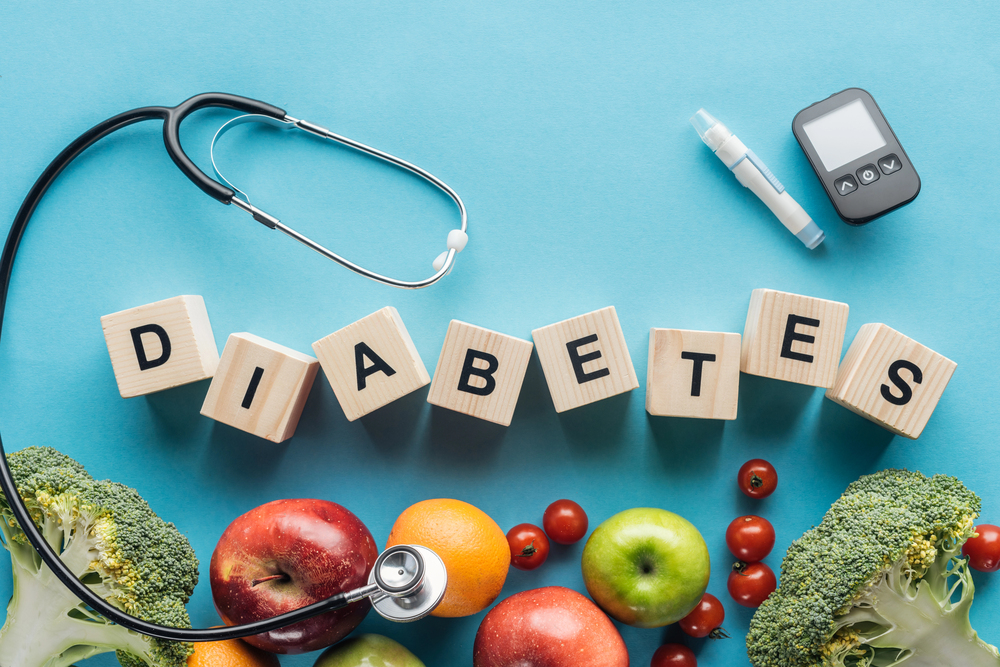
Diabetes and Vision Loss

Diabetes and vision loss can go hand in hand.  Vision loss is one of the most common and debilitating complications of diabetes. An annual eye exam will help in early detection of  diabetes as for many people with Type 2 Diabetes the disease goes undetected.   For those individuals who have been diagnosed as a diabetic, extra attention should be made to monitor their diabetes and have regular eye exams.

According to Medical News Today, “Diabetes describes a group of metabolic diseases in which the person has high blood glucose (blood sugar), either because insulin production is inadequate, or because the body’s cells do not respond properly to insulin, or both. Patients with high blood sugar will typically experience frequent urination they will become increasingly thirsty and hungry”.

There are three types of diabetes:

  • Type 1 Diabetes- account for approximately 10% of all diabetics and occurs when the body doesn’t produce enough insulin.  Diabetics generally develop Type 1 Diabetes before their 40th birthday.
  • Type 2 Diabetes account for approximately 90% of the remaining diabetics.  The body does not produce enough insulin for proper function, or the cells in the body do not react to insulin (insulin resistance).  Typically type 2 diabetes is a progressive disease and eventually may lead to medication dependency to control the disease.    Overweight and obese people have a much higher risk of developing type 2 diabetes compared to those with a healthy body weight.  That’s why diet and exercise play a key role in prevention.
  • Gestational Diabetes   affects females during pregnancy. Some women have very high levels of glucose in their blood, and their bodies are unable to produce enough insulin to transport all of the glucose into their cells, resulting in progressively rising levels of glucose.  Uncontrolled gestational diabetes can raise the risk of complications at childbirth.

Diabetic Eye Disease is a group of eye problems people with diabetes could face as a result of the disease, which can lead to vision loss or blindness. These include:

•  Cataract (clouding of the lens of the eye)

•  Diabetic retinopathy (the most common form of diabetic eye disease, which damages the blood vessels in the retina)

•  Glaucoma (damage to the optic nerve that affects peripheral or side vision)

People often are unaware they have diabetes but In fact, about 90% of diabetes-related blindness is preventable through early detection, timely treatment and appropriate follow-up care.  To learn more about diabetes, low vision and vision loss, visit Tri-State Low Vision Services, a division of Bissell Eye Care.

About the author:  John D.  Bissell, owner of Bissell Eye Care and Tri-State Low Vision Services, offers comprehensive eye examinations for the entire family, ocular disease detection and treatment, eye glasses, sun glasses, active wear, contact lenses, and low vision examinations for those with significant vision loss. He has undergone specialized training for treatment of low vision by the International Academy of Low Vision Specialists utilizing customized telescopic eyeglasses, prisms and telescopic implants for patients who qualify.  The practice accepts most types of vision and health insurance plans.