
pair of mirror sunglasses in front of forest scene - with clarity in glasses Managing light sensitivity with Stargardt disease

Managing Light Sensitivity with Stargardt Disease This Summer

Summer’s long, sunny days are something many look forward to—but if you’re living with Stargardt disease, this season can bring increased challenges. Bright sunlight and glare can significantly impact your comfort and ability to see clearly, making everyday activities more difficult.

At Dr. Bissell’s low vision clinic, he understands how overwhelming bright light can be for individuals with Stargardt disease. That’s why he offers personalized solutions to help you manage light sensitivity and maintain your independence.

As a proud member of the International Academy of Low Vision Specialists (IALVS), we believe that vision loss doesn’t have to limit your lifestyle—even during the sunniest time of year.

Why Stargardt Disease Makes Summer More Difficult

Stargardt disease affects the macula, the part of the eye responsible for sharp central vision. Over time, it can cause bright light to feel uncomfortable and reduce your ability to see detail—especially in high-glare environments like beaches, pavement, or water.

You may notice yourself squinting more often, avoiding time outdoors, or feeling frustrated by reflective surfaces. Our goal is to help you make the most of your remaining vision and feel more comfortable—even in harsh sunlight.

Solutions for Seeing Better in Bright Conditions

Our practice takes a personalized approach to low vision care. After understanding your specific needs and daily challenges, we may recommend:

  • Custom-tinted low vision glasses to reduce glare and enhance contrast
  • UV-protective lenses for added comfort and eye protection outdoors
  • Wraparound frames or side shields to block peripheral light
  • Wide-brimmed hats or visors for additional sun protection
  • Adjusting outdoor activities to early morning or late afternoon when the sun is lower

We’ll also help you improve indoor lighting so you can reduce eye strain even as daylight hours extend.

You Can Enjoy Summer Again

If vision loss is affecting your quality of life, you’re not alone—and you don’t have to navigate it without support. Contact Dr. Bissell today at 724-443-6767 or 724-226-0444 to explore individualized low vision solutions. With the right guidance and devices, you can feel more comfortable in bright conditions and return to the summer activities you enjoy most.


About Bissell Eye Care: John D. Bissell, OD, is the owner of Bissell Eye Care, proudly serving the Northern Pittsburgh and Alle-Kiski Valley regions. Dr. Bissell has received advanced training through the International Academy of Low Vision Specialists, enabling him to help patients living with vision impairment and low vision challenges. With two convenient office locations and evening appointments available, Bissell Eye Care offers comprehensive eye exams for the entire family—starting as young as six months. Our services include ocular disease detection and treatment, prescription eyeglasses and sunglasses, specialty activewear eyewear, contact lenses, and dedicated low vision evaluations for those with significant vision impairment and vision loss. We accept most vision and health insurance plans. To learn more, visit bisselleyecare.com or call our Bakerstown office at 724-443-6767 or our Natrona Heights office at 724-226-0444.

Depositphotos_517831794_S

Vision Matters: National Diabetic Month and the Fight Against Diabetic Retinopathy

November is National Diabetic Month, a time dedicated to raising awareness about diabetes, its complications, and the importance of managing this chronic condition. One aspect of diabetes management is the potential impact it can have on our eyes, particularly diabetic retinopathy. In this blog, we will explore the significance of regular eye exams, the connection between diabetes and eye health, and why diabetic eye disease is the leading cause of vision loss among working adults.

Understanding Diabetic Retinopathy

Diabetic retinopathy is a diabetes-related complication that affects the eyes. It occurs when high levels of blood sugar damage the delicate blood vessels in the retina, the light-sensitive tissue at the back of the eye. As these blood vessels weaken and leak, they can lead to vision problems or even complete blindness if left untreated. The risk of developing diabetic retinopathy is directly related to how well an individual manages their diabetes, primarily their blood sugar levels.

According to Prevent Blindness, “A new study published today in JAMA Ophthalmology, “Prevalence of Diabetic Retinopathy in the US in 2021,” found that in 2021, an estimated 9.6 million people in the United States (26.4 percent of those with diabetes) had diabetic retinopathy (DR), and 1.84 million people (5.1 percent of those with diabetes) had vision-threatening diabetic retinopathy (VTDR). The number of people aged 40 years and older living with diabetes-related eye disease more than doubled since prevalence was last estimated in 2004. VTDR has also almost doubled since last estimated in 2004.”

The Importance of Regular Eye Exams

One of the most critical steps in managing diabetic retinopathy is early detection. This is where regular eye exams come into play. For individuals living with diabetes, routine eye exams are not merely a formality; they are a lifeline for preserving vision. Here’s why:

  • Early Detection: Regular eye exams can detect diabetic retinopathy in its early stages, often before any noticeable symptoms occur. This is crucial because the earlier it is detected, the more effective treatment can be.
  • Prevent Progression: If diabetic retinopathy is detected early, interventions such as laser therapy or medication can be administered to prevent its progression. These treatments can help stop the damage to the retina and preserve vision.
  • Monitor Progress: Regular eye exams also help your eye care specialist track the progression of the condition. Adjustments to your diabetes management plan can be made to keep your blood sugar levels in check, further reducing the risk of worsening retinopathy.
  • Maintain Quality of Life: Vision is a vital sense, and its preservation is essential for maintaining a good quality of life. Regular eye exams can ensure that any vision problems associated with diabetes are addressed promptly.

Take Action 

As we observe National Diabetic Month, it’s a great time to take action and prioritize your eye health, especially if you’re living with diabetes or know someone who is. Here are some key steps you can take:

  • Schedule an Eye Exam: If you have diabetes, schedule a comprehensive eye exam with the doctors at Bissell Eye Care. Make sure to discuss your diabetes diagnosis and the need for regular eye screenings.
  • Manage Your Diabetes: Keeping your blood sugar levels in check is the best way to prevent diabetic retinopathy and other diabetes-related complications. Follow your healthcare provider’s recommendations for managing your diabetes effectively.
  • Spread Awareness: Use this month to educate your friends and family about the importance of regular eye exams for those with diabetes. Encourage loved ones with diabetes to prioritize their eye health.
  • Advocate for Eye Health: Support initiatives that promote eye health and raise awareness about the connection between diabetes and vision loss. Participate in events, share information on social media, or contribute to diabetes-related organizations.

Let’s make a collective effort to prioritize our eye health, especially for those living with diabetes. By understanding the significance of regular eye exams and the risk of diabetic retinopathy, we can take proactive steps to preserve our vision and continue to lead fulfilling lives. Regular eye exams are not just an option; they are a necessity in the battle against diabetic eye disease and vision loss.


About Bissell Eye Care: John D. Bissell, OD owns and operates Bissell Eye Care servicing Northern Pittsburgh and Alle-Kiski Valley regions. With two locations to treat patients, we offer evening and Saturday appointments. Bissell Eye Care provides comprehensive eye examinations for the entire family beginning as early as 6 months, ocular disease detection and treatment, eyeglasses, sunglasses, activewear, contact lenses, and low vision examinations for those with significant vision loss. We accept most types of vision and health insurance plans. For more Information, visit bisselleyecare.com or call our Bakerstown Office at 724-443-6767 or Natrona Heights office at 724-226-0444.
AMD - Age-related Macular Degeneration and Memory Loss

AGE-RELATED MACULAR DEGENERATION AND MEMORY LOSS

February is national Age-Related Macular Degeneration (AMD) awareness month. While there is no cure for Macular Degeneration early detection is key to slowing down vision loss and keeping your sight. Studies have also shown that AMD can have an effect on cognitive functioning. For those that are visually impaired memory is one of the most important things.

Macular degeneration is one of the leading causes of vision loss. It is caused by the deterioration of the central portion of the retina. The central portion of the retina, known as the macula, is responsible for focusing vision for the eye, allowing us to read, recognize faces or colors, drive and do many day-to-day activities.
While there is no cure for this disease there are treatments to help slow it down. It is important to maintain yearly eye exams for early detection. This disease like so many is very difficult to notice until you have already lost a large portion of your vision.

Lifestyle changes can help lower your risk of developing AMD. Some lifestyle changes might include proper exercise and diet, avoiding smoking, and protecting your eyes from the UV rays of the sun. People that run a higher risk of developing AMD are people who have a family history, race, Caucasians are more likely to develop the disease than African American or Hispanic heritage, and smokers.

There are three stages of AMD:

  1. Early AMD: At this stage, most people do not experience vision loss. The presence of medium-sized drusen (yellow deposits beneath the retina), is usually an early sign your eye doctor looks for.
  2. Intermediate AMD: This is where vision loss may start to be noticed, however it may not be enough to be noticeable. Specific tests will look for pigment changes in the retina and larger drusen deposits.
  3. Late AMD: At this stage vision loss has become noticeable.

Additional factors that may increase your risk are:

  • Smoking. Research shows that smoking doubles the risk of developing AMD.
  • Family history. If your family history includes AMD you are at a higher risk.
  • Ethnicity. AMD is more common in Caucasians than other races.

You have the power to take control of your health. These are some things you can do to help prevent AMD:

  • Exercise Regularly
  • Eat a healthy diet rich in leafy veggies and fish
  • Avoid smoking
  • Maintain proper vitals such as blood pressure and cholesterol.

AMD is best detected by maintaining routine eye exams. Be sure to tell your eye doctor if anyone in your family has or had Macular Degeneration. Often people question why dilation is part of a regular exam. This allows us to look into the back of your eyes for any changes that may be occurring.

While there is no cure for this disease things such as changing your diet and adding proper exercise can help to slow down the loss of vision. You have the power to choose. Take control and choose a healthier lifestyle. Your eyes will thank you for it.

About Bissell Eye Care: John D. Bissell, OD owns and operates Bissell Eye Care servicing Northern Pittsburgh and Alle-Kiski Valley regions. With two locations to treat patients, we offer evening and Saturday appointments. Bissell Eye Care provides comprehensive eye examinations for the entire family beginning as early as 6 months, ocular disease detection and treatment, eyeglasses, sunglasses, activewear, contact lenses, and low vision examinations for those with significant vision loss. We accept most types of vision and health insurance plans. For more information, visit bisselleyecare.com or call our Bakerstown Office at 724-443-6767 or Natrona Heights office at 724-226-0444.

Diabetes Complications

DIABETES AWARENESS MONTH

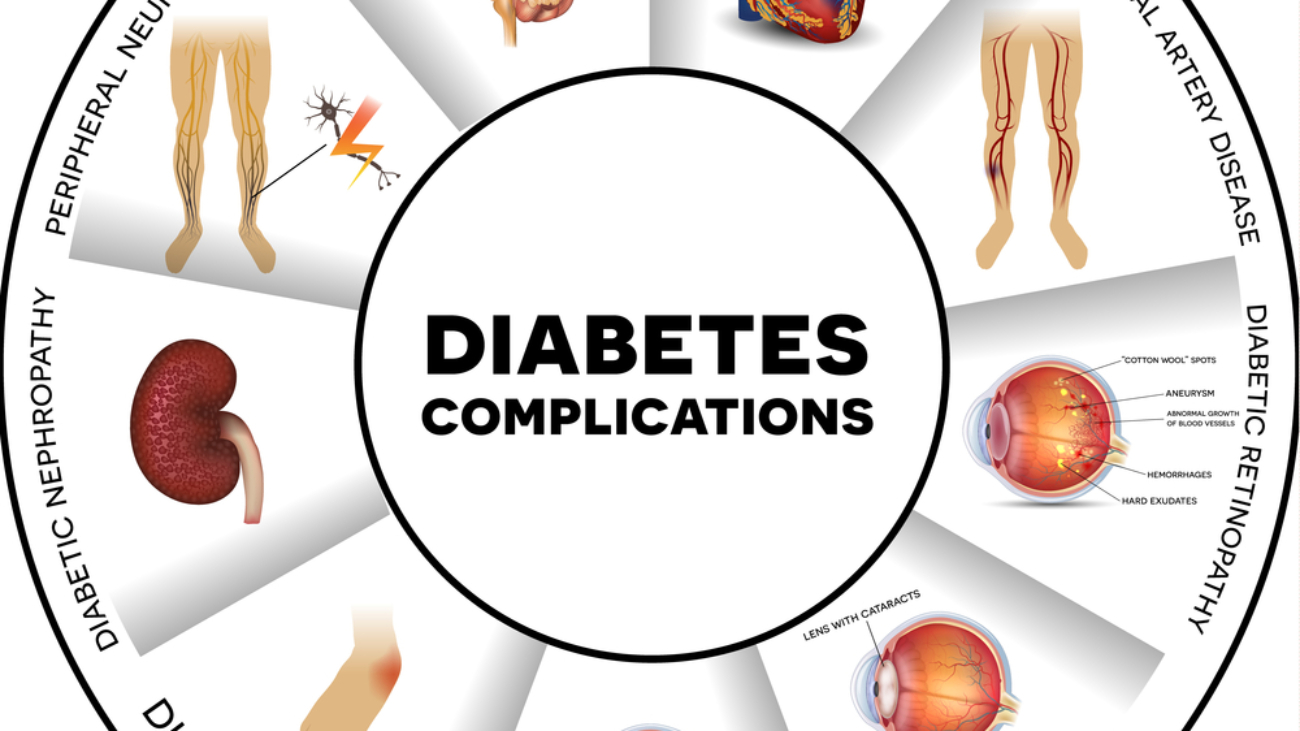
November is Diabetes Awareness Month. If you are one of the estimated 29.1 million people that have diabetes, then you have most likely discussed with your doctor about possible health-related issues that come with the disease. Diabetes also can also harm your eyesight. Obtaining regular screenings will allow you to monitor your health and react to any changes that may have occurred.

The American Academy of Ophthalmology (and the American Diabetes Association) recommend patients with type 1 diabetes receive an eye exam within the first 5 years after diagnosis, then one exam per year. The groups recommend those with type 2 diabetes receive an eye exam as soon as diabetes is diagnosed, and then once yearly.

All people with diabetes are at risk of developing eye disease that can permanently damage their vision and even lead to blindness. However, some steps can be taken to help prevent diabetic eye disease, including:

  • Managing good blood sugar, blood pressure, and cholesterol control
  • Scheduling a yearly comprehensive dilated eye exam
  • Women with diabetes before pregnancy should have a comprehensive dilated eye exam early in their pregnancy. Additional exams may be recommended during pregnancy.
  • Maintaining a healthy lifestyle by exercising regularly, not smoking and following a healthy diet.

While everyone needs to schedule routine eye exams, people with diabetes need to be especially vigilant in scheduling their annual exams. Diseases such as glaucoma, cataracts, and retinopathy are best treated when they are detected early and are often associated with diabetes. Talk to your eye doctor about any concerns or vision loss you may be experiencing for the best chances of early detection and treatment.

Patients often ask, “Why do I have to have my eyes dilated?” A comprehensive dilated eye exam allows our doctors to check the retina for early signs of diabetic eye disease damage such as:

  • Warning signs of leaky blood vessels, such as fatty deposits
  • Changes to blood vessels
  • Changes in the lens
  • Swelling of the macula
  • Damage to nerve tissue

Glaucoma occurs when pressure builds inside the eye and is 40% more likely to occur in individuals who have diabetes. The pressure pinches blood vessels that carry blood to the retina and optic nerve. Vision is gradually lost as the retina and nerves are damaged from the increase in pressure. There are several treatments available for Glaucoma however some treatments may require surgery. Early detection of high pressure may be able to be managed by medication. Maintaining the proper eye pressure is key to preventing permanent damage to the eye.

As we age many people run a higher risk of developing cataracts. Those with diabetes are 60% more likely to develop them. By detecting cataracts early you can help to slow down the progression. The typical corrective action for cataracts is to remove the lens of the eye. Patients then would typically receive a new transplanted lens. In people with diabetes, vision can get worse after the removal of the lens and glaucoma may start to develop so additional treatment may be necessary.

Retinopathy is a general term used for all disorders of the retina that are caused by diabetes. The good news that there have been giant strides in the past decade on treatment for retinopathy.
Have you noticed a pattern? Particularly those with diabetes must be extra vigilant with screenings and health checkups. The key to being able to keep your vision as clear as possible when you suffer from diabetes is early detection. Keep in mind that you often can lose more than 60% of your vision before you begin to notice significant differences.

Talk with your doctor if you have diabetes so you know what symptoms to look for and schedule your annual vision screening.

About Bissell Eye Care: John D. Bissell, OD owns and operates Bissell Eye Care servicing Northern Pittsburgh and Alle-Kiski Valley regions. With two locations to treat patients, we offer evening and Saturday appointments. Bissell Eye Care provides comprehensive eye examinations for the entire family beginning as early as 6 months, ocular disease detection and treatment, eyeglasses, sunglasses, activewear, contact lenses, and low vision examinations for those with significant vision loss. We accept most types of vision and health insurance plans. For more information, visit bisselleyecare.com or call our Bakerstown Office at 724-443-6767 or Natrona Heights office at 724-226-0444.
Dry Eyes and Healthy Aging

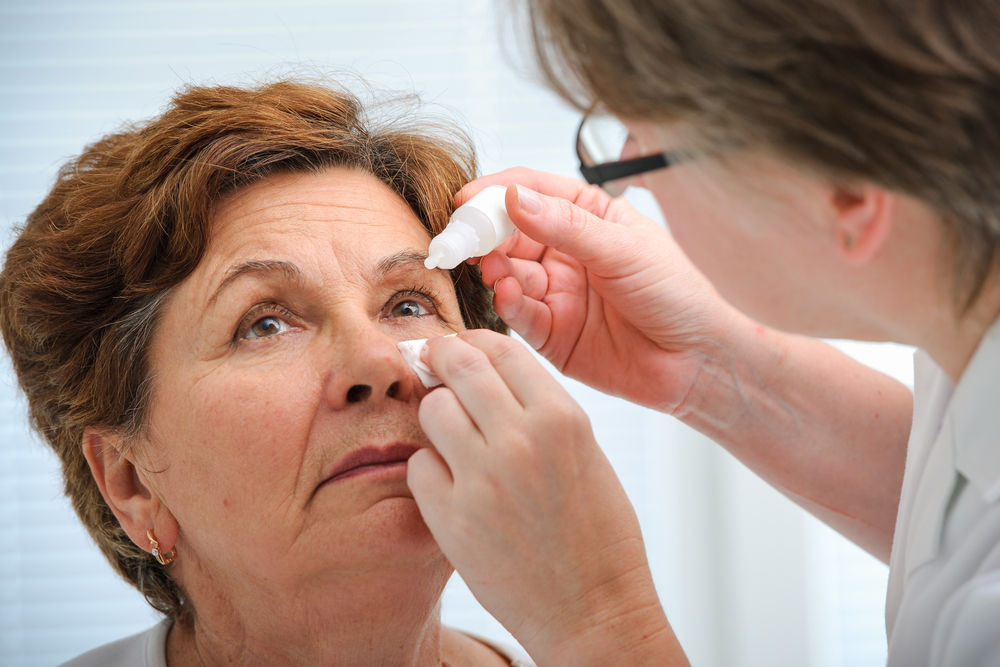
Eye drops for dry eyes

We’re rolling into another season of the year as summer winds down and the nights are getting dark earlier. September is National Healthy Ageing Month and we want to point out some advantages of annual exams and health visits. When it comes to your vision many diseases can be slowed down, stopped, or even reversed if caught early. Having routine screenings helps to give a baseline for your doctor to better be able to notice changes in your eyes.

If your eyes aren’t giving you any discomfort, they may become a second thought. However, a condition called dry eye can become unpleasant, painful and create a gritty feeling as well as blurred vision. Based on data from the National Health and Wellness Survey, 6.8 percent of the United States adult population (approximately 16.4 million people) have been diagnosed with Dry Eye Disease with women more likely to develop dry eyes after menopause.

Tears are made up of three layers. The layer closest to the cornea is a thin mucus that helps tears adhere to the surface. The middle layer contains the watery portion of the tears. The outer layer is composed of fatty oils. A proper mix helps maintain healthy tears, which coat and lubricate the eyes, nourish cells, wash away dust and other irritants to ward off infection and keep the surface smooth so you can see clearly.

Certain medical conditions can impact our tear function, triggering dry eye — among them, systemic autoimmune diseases (such as rheumatoid arthritis and lupus), as well as diabetes, strokes and thyroid problems. Antihistamines, decongestants, blood pressure medications, antidepressants, and anti-anxiety medication, and hormone replacement therapy to relieve symptoms of menopause can also lead to dry eyes.
If you suffer from dry eyes, these tips can help alleviate dry eye symptoms:

  • Take a tech break – using the 20 20 20 rule. Look away from the screen every 20 minutes, focusing on something 20 feet in the distance for at least 20 seconds.
  • Increase moisture in your environment with the use of a humidifier.
  • Protect your eyes from nature’s elements with wrap-around frames to protect from wind, frigid temps and bright sunlight.
  • Limit contact usage by switching to daily disposable lenses or wear glasses
  • Over-the-counter eye drops may provide some relief but prescription artificial tears may add relief if over the counter options don’t work.
  • Clean eyelids regularly with a mild cleanser or eyelid scrub such as Ocusoft.

Vision loss is not always noticeable immediately. Many times an individual can lose a significant amount of vision before it becomes noticeable. When vision loss is detected early, the person stands a much greater chance of being able to slow down or even prevent their vision loss.

Medical screenings are important too. Annual physicals, bloodwork, and regular cancer screenings can be a pivotal point of identifying a problem and taking the proper steps to treat it. These screenings also provide peace of mind that you are as healthy as you can be.

Diet and exercise also play in role in healthy aging. It’s easy to come home from a long day at the office, run through the take out window and grab a quick bite. Taking time to plan and cook meals on the weekend allows for better eating habits and healthier food all around.

Put regular exercise into your routine that will help shed some unwanted pounds. Take a walk at lunch or right after work if you can. As we grow older, gone are the responsibilities of running kids to their various activities. Make taking care of yourself the priority and put exercise into your calendar.

While we, at Bissell Eye Care, focus on vision and helping our patients to see to the best of their ability, we want to stress that importance of not just routine eye appointments, but all suggested medical appointments and screenings. As we age it becomes more important than ever to take care of yourself. The quality of our lives as we age, will depend on what we do today.

About Bissell Eye Care: John D. Bissell, OD owns and operates Bissell Eye Care servicing Northern Pittsburgh and Alle-Kiski Valley regions. With two locations to treat patients, we offer evening and Saturday appointments. Bissell Eye Care provides comprehensive eye examinations for the entire family beginning as early as 6 months, ocular disease detection and treatment, eyeglasses, sunglasses, activewear, contact lenses, and low vision examinations for those with significant vision loss. We accept most types of vision and health insurance plans. For more information, visit bisselleyecare.com or call our Bakerstown Office at 724-443-6767 or Natrona Heights office at 724-226-0444.

Treating-Glaucoma

IS MARIJUANA A VIABLE TREATMENT FOR GLAUCOMA?

Treating-GlaucomaDid you know over 2.8 million Americans have glaucoma and that number is expected to rise by 50% by the year 2032? Glaucoma, a group of eye diseases that gradually steal sight without warning, is caused by the eye’s failure to maintain the balance of pressure between the internal fluid and the amount of fluid it drains away. High eye pressure caused by this imbalance creates pressure build up against the optic nerve causing nerve damage. The most common forms primarily affect the middle-aged and the elderly, but glaucoma can affect people of all ages, particularly if you have a family history of the disease.

Vision loss is caused by damage to the optic nerve. This nerve acts like an electric cable with over a million wires. It is responsible for carrying images from the eye to the brain.

Damage typically starts in the outside peripheral vision and is often not recognized by patients. A dilated eye exam is necessary to examine the optic nerve. Treatment generally begins with eye drops. Just as in any other prescribed medication, it’s important to consistently take the drops as prescribed. Since glaucoma symptoms are typically undetected, patients will not realize the damage that can be done without following the prescription.

With increased awareness of the acceptance of marijuana in the treatment of various diseases, and the legalization of the drug, the Glaucoma Research Foundation states, “While marijuana does lower intraocular pressure (IOP), it has major drawbacks as a treatment for a chronic, long-term, disease like glaucoma. First, in contrast to conventional glaucoma eye drops (some of which are effective for up to 24 hours), smoking THC, or tetrahydrocannabinol, the chemical responsible for most of marijuana’s psychological effects reduces eye pressure for only 3-4 hours. To control IOP would require 8-10 doses of marijuana per day. This would not only cost more than typical glaucoma treatment, but the physical and mental side-effects of frequent marijuana use would prevent functioning productively.

Long-term Safety Concerns

Concerns also exist regarding the long-term safety of marijuana use, due to its associations with permanent lung damage when smoked, and possible permanent adverse effects on cognition and mental health. With regular use, tolerance to the eye pressure-lowering effects develops, meaning that increasing drug levels would be required to prevent the progression of glaucoma. Finally, lack of regulation and quality control makes efficacy and safety of marijuana unpredictable. Research efforts to develop THC eye drops that can effectively lower eye pressure while minimizing side effects are underway but have not yet been successful.”

For these reasons, while marijuana does lower eye pressure, it is not recommended as a medical treatment for glaucoma. If you use marijuana, let your eye doctor know since it may have an impact on your eye pressure readings. Also, it is very important to continue your current glaucoma therapy and regular monitoring as recommended by your eye doctor.

If your optometrist deems that eye drops aren’t the best course of action, lasers or in extreme cases surgical procedures may be necessary to treat the disease.

Types of glaucoma include:

Chronic (Open Angle) Glaucoma: The most common form. In open angle glaucoma, aqueous fluid drains too slowly and pressure inside the eye builds up. It usually results from aging of the drainage channel, which doesn’t work as well over time. However, younger people can also get this type of glaucoma.

Normal Tension Glaucoma: This is a form of open angle glaucoma not related to high pressure. People with normal tension glaucoma may be unusually sensitive to normal levels of pressure. Reduced blood supply to the optic nerve may also play a role in normal tension glaucoma.

Acute (Angle Closure) Glaucoma: Those of Asian and Native American descent are at higher risk for this form of glaucoma. It occurs when the drainage system of the eye becomes blocked. It causes a sudden rise in pressure, requiring immediate, emergency medical care. The signs are usually serious and may include blurred vision, severe headaches, eye pain, nausea, vomiting or seeing rainbow-like halos around lights.

January is Glaucoma Awareness Month. If you haven’t scheduled a regular eye exam, now is the time to do so. Call it your New Year’s Resolution to better health. Take action and call our offices at 724-443-6767 or 724-226-0444 and schedule your eye exam today!

About the author: John D. Bissell, owner of Bissell Eye Care and Tri-State Low Vision Services, offers comprehensive eye examinations for the entire family, ocular disease detection and treatment, eye glasses, sun glasses, active wear, contact lenses, and low vision examinations for those with significant vision loss. He has undergone specialized training for treatment of low vision by the International Academy of Low Vision Specialists utilizing customized telescopic eyeglasses, prisms and telescopic implants for patients who qualify. The practice accepts most types of vision and health insurance plans.

HEALTHY AGING AND EYE EXAMS

fruits are the main element of healthy eating

September is a perfect time to celebrate Healthy Aging Month since it is time when many people think about getting started on new tasks after the summer. As the years roll on, are you doing all you can to stay active and healthy? The choices you make today may affect the quality of your life down the road. Diet and exercise are key components to healthy aging.

Fitbits and online apps can help track healthy eating habits and steps. Have you set a new goal to walk 10,000 steps a day? Perhaps fresh vegetables and salads are becoming a staple in your refrigerator.

As we look at the components of staying healthy – we also look at regular exams. When was the last time you had a physical, dental or eye exam? By staying up to date with regular medical exams, you can be proactive in changes that may be occurring with your health.

Seeing your eye doctor is not just about needing glasses. During the exam, you are also going to be screened for other diseases… diabetes, cataracts, glaucoma and macular degeneration. After the age of 40, everyone should be tested regularly for macular degeneration, especially if there is a family history of the disease.

Did you know during a comprehensive eye exam, underlying health problems can be uncovered? These are things the doctors at Bissell Eye Care look for during your exam and may uncover a health issue you may not be aware of.

  • Diabetes affects the small capillaries in the retina of the eyes. These blood vessels may leak blood or a yellowish fluid, and this may be discovered in an eye exam.
  • Hypertension presents when blood vessels in the eye exhibit bends, kinks or tears, and this may be an indication of high blood pressure.
  • Autoimmune disorders are recognized by inflammation of the eye which may be a sign of Lupus or another autoimmune disorder.
  • High cholesterol can be found with a yellowish appearance or a yellow ring around your cornea. There also may be plaques in the blood vessels of the retina which could indicate elevated cholesterol.
  • Thyroid disease will often present as bulging eyes or protruding eyeballs.
  • Cancer can be present if the structure of your eye is unusual. Ocular melanoma can develop in the cells that make pigmentation in the eye. Your eye exam can also help detect skin cancer. Basal cell carcinomas can appear on the eyelid. In any of these cases, you would be referred to a specialist.
  • Tumors can present with a droopy eyelid or irregularly shaped pupils and could possibly indicate a neck tumor or an aneurysm (Source: Digital Journal).

At risk factors for age-related macular degeneration (AMD) include: high blood pressure (hypertension), smoking, obesity, race and family history of (AMD). AMD is painless and can progress slowly over time or suddenly with dramatic changes in your vision. Early detection is key to slowing vision loss.

AMD — damages then destroys central vision. Central vision is your “straight-ahead”, finely detailed vision. This eye disease takes two forms, “dry” and “wet.” Most AMD cases are “dry.” The “wet” is a more damaging form of AMA that is responsible for about 90% of serious vision loss.

Cataracts are small at first and may not affect vision. But the denser they grow, the more they will affect your vision. As cataracts grow, they may hinder your ability to drive safely.

Just like having an annual physical and regular health screenings help to detect disease, the most important lesson learned is to have an annual eye exam. Early detection of eye disease is the key to healthy vision as you age. Give our offices a call at 724-443-6767 or 724-226-0444 to schedule your annual eye exam.

About the author: John D. Bissell, owner of Bissell Eye Care and Tri-State Low Vision Services, offers comprehensive eye examinations for the entire family, ocular disease detection and treatment, eye glasses, sun glasses, active wear, contact lenses, and low vision examinations for those with significant vision loss. He has undergone specialized training for treatment of low vision by the International Academy of Low Vision Specialists utilizing customized telescopic eyeglasses, prisms and telescopic implants for patients who qualify. The practice accepts most types of vision and health insurance plans.

CO-MANAGED CARE

Just as you may have a team of doctors managing a heart or diabetic condition, so too can you have a team of eye care professionals managing your eye care.  Co-management is the process of eye care professionals working as a team to provide a patient’s care. In most cases, this occurs when an optometrist such as the doctors at Bissell Eye Care provide the initial evaluation and care after the surgery with an ophthalmologist performing the surgical procedure. Often the optometrist has been the patient’s trusted eye care provider for years. This is especially valuable to patients as they have established a doctor patient relationship with our office over the years.

Co-managed care provides an additional check and balance between the patient and surgeon, with an optometrist assisting the patient’s questions and concerns.

LASIK/Cataracts Co-Management

In LASIK, “co-management” is the term commonly used to describe a situation when an optometrist provides pre-op and post-op care with an ophthalmologist providing surgery. For example, an optometrist will provide the initial LASIK, All-Laser Lasik, PRK, LASEK or any other refractive surgery evaluation, and then care for the patient after the surgery.

Some factors Bissell Eye Care will take into account to determine which surgery may be right for you:

  • An overall health assessment will be conducted to determine if any systemic diseases are present that may impair your ability to heal such as autoimmune or immunodeficiency diseases.
  • Corneal health including dry eye disease, thin corneas, irregular corneas, or corneal diseases such as keratoconus are considered.
  • Stability is determined by your eyeglass prescription.
  • Analysis of your retinal health ensures there is no other ocular disease present that would prevent you from achieving 20/20 vision after laser vision correction.
  • Candidacy for some refractive surgeries may be limited due to lifestyle and occupation.

Patient Benefits for co-managed care:

  • Familiarity with your optometrist and the convenience of pre- and post-operative follow-up.
  • A central hub of patient care coordination.
  • Often less costly depending on copays and insurance deductibles.

Bissell Eye Care has working arrangements with eye surgeons and specialized eye care doctors to provide many of the surgical services such as cataract surgery, laser surgery, refractive surgery, retinal detachments, retinal tears and hemorrhages. You can be assured that your eyes will be comprehensively managed by the best eye care professionals.

About the author: John D. Bissell, owner of Bissell Eye Care and Tri-State Low Vision Services, offers comprehensive eye examinations for the entire family, ocular disease detection and treatment, eye glasses, sun glasses, active wear, contact lenses, and low vision examinations for those with significant vision loss. He has undergone specialized training for treatment of low vision by the International Academy of Low Vision Specialists utilizing customized telescopic eyeglasses, prisms and telescopic implants for patients who qualify. The practice accepts most types of vision and health insurance plans.

OCT a

COMPREHENSIVE ASSESSMENT OF OCULAR HEALTH

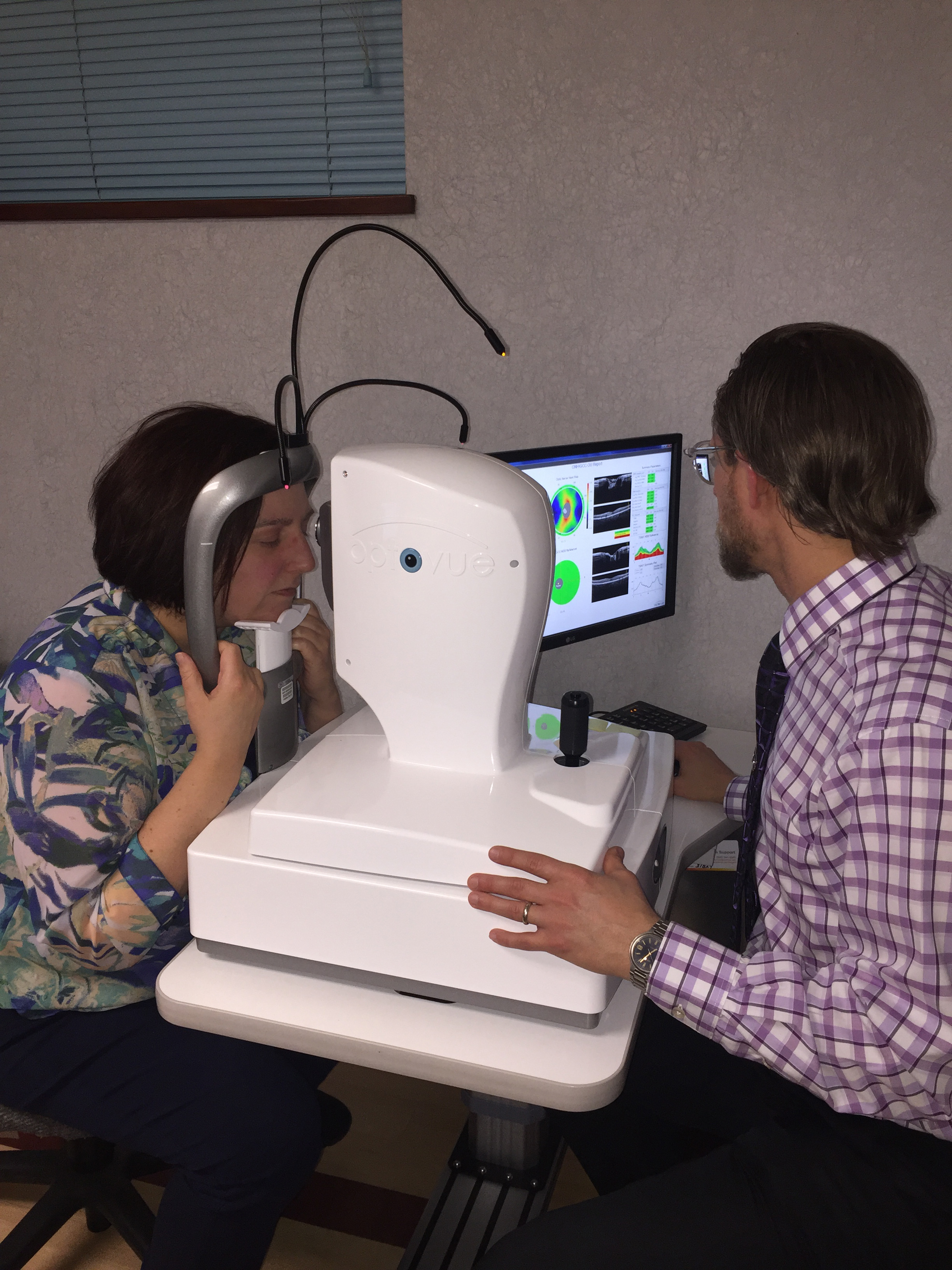
OCT aAs technology continues to improve, we are better able to look at the human eye with the Optovue OCT machine. OCT Angiography (OCTA) is a quick non-invasive piece of equipment which performs a test, allowing your eye doctor to see retinal vessels during your annual eye exam. OCTA is the only non-invasive way to visualize the vascular structure of your retina.

During this test the structure of your eyes are examined- from the front, or anterior segment, to the back, or retina. OCT is used to aid in diagnosing disease and managing your ocular health. These metrics along with a high-resolution image and symmetry analysis help to determine if you are displaying the early signs of retinal disease or glaucoma.

The machine allows us to look at the eye in a similar manner as an MRI. It takes a piece by piece view of the eye. Our optometrists then look at this imagery and are able to determine the health of your eyes, or if there are any concerns that need to be further addressed.

So what does this mean for you, the patient? These scans are able to detect early vascular changes in diabetic patients and early signs of glaucoma. We cannot stress the importance of early detection of eye diseases enough. Early detection can help to prevent further loss of vision. As we have talked about before, you can lose a significant amount of your vision without you noticing.

Bissell Eye Care continues to invest in the most up to date technology and equipment in order to best serve our patients. We are one of a handful of optometry practices in the Pittsburgh region to offer screenings with the Optovue OTC Angiography machine. By using this technology, we are able to better facilitate the diagnosis and management of eye diseases, many of which may lead to permanent blindness.

About the author: John D. Bissell, owner of Bissell Eye Care and Tri-State Low Vision Services, offers comprehensive eye examinations for the entire family, ocular disease detection and treatment, eye glasses, sun glasses, active wear, contact lenses, and low vision examinations for those with significant vision loss. He has undergone specialized training for treatment of low vision by the International Academy of Low Vision Specialists utilizing customized telescopic eyeglasses, prisms and telescopic implants for patients who qualify. The practice accepts most types of vision and health insurance plans.

BEYOND THE GARDEN

For many, summertime means taking care of the garden. It also means less trips to the grocery store as you are able to find your favorite vegetables just a few steps from your back door.  This ease of access along with a free price tag often lead to many of us eating healthier throughout the summer.

As winter quickly approaches it is important to keep up the healthy diet that many of you enjoy during the summer months. A proper diet can help to reduce the chances of certain eye diseases.

Having a diet full of vitamins and nutrients is not only good for overall health, but in some cases, may help to prevent issues associated with vision loss. Nutrients that are linked with eye health are Vitamins C and E, B12, B9, B6, carotenoids, beta carotene, lutein and zeaxanthin.

Antioxidants are important in your diet as they help to deter build-up of waste products in the retina, reducing your risk for age related macular degeneration, or AMD for short. Vitamin B6 and Folate, or Vitamin B9, help to lower the blood chemical homocysteine, which helps to lower your risk for AMD.  Antioxidants also help to prevent protein from linking which can cause cataracts.

Some foods that contain eye-healthy nutrients are:

  • Dark green vegetables such as spinach and kale for lutein and vitamin E.
  • Yellow and orange fruits and vegetables for beta carotene and zeaxanthin.
  • Fruits and vegetables for vitamins C and E.
  • Fish for omega 3 fatty acids.
  • Citrus fruits, dried beans, green leafy vegetables, mushrooms and nuts for folic acid.
  • Dairy products, eggs, meat, and poultry for vitamin B12.

Avoid selecting carbohydrates such as white rice, white bread and pasta. These foods have a high glycemic index which means they are broken down rapidly into blood glucose or sugar. Choose breads and pasta made from whole grains and brown rice.

Keeping a healthy diet will not only help to improve your overall health, but also will help you to see clearly into the future. Choose foods that are high in vitamins and nutrients, even if that means going to the store to get them, until next year’s gardening season begins.

About the author: John D. Bissell, owner of Bissell Eye Care and Tri-State Low Vision Services, offers comprehensive eye examinations for the entire family, ocular disease detection and treatment, eye glasses, sun glasses, active wear, contact lenses, and low vision examinations for those with significant vision loss. He has undergone specialized training for treatment of low vision by the International Academy of Low Vision Specialists utilizing customized telescopic eyeglasses, prisms and telescopic implants for patients who qualify. The practice accepts most types of vision and health insurance plans.