


cataracts
How Cataracts Affect Your Eyesight
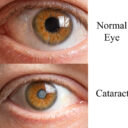
A cataract is the clouding of the eye’s natural lens. This clouding prevents light from passing clearly through the eye, causing blurred or dim vision. Cataracts most commonly develop with aging, but they can also be linked to diabetes, metabolic conditions, eye injuries, or long-term use of certain medications, such as steroids.
Cataracts usually form slowly over time. As they progress, they can interfere with everyday activities like reading, driving, watching television, and recognizing faces.
Common Types of Cataracts
There are three main types of cataracts, each affecting the… Continue reading
Can You Prevent Cataracts? Lifestyle Tips for Healthier Vision

June is Cataract Awareness Month—an important time to understand how to protect your sight as you age. In recognition of Cataract Awareness Month, let’s take a closer look at what cataracts are, why early detection matters, and how healthy lifestyle choices can support long-term eye health.
Cataracts are one of the most common causes of vision loss worldwide, especially among adults over 60. Although cataracts are often a natural part of aging, there are proactive steps you can take to protect your vision and possibly delay their development.
What Are… Continue reading
Summer, Sunglasses & Sunscreen
It seems like June and summer hit all at once. As we enjoy the outdoor activities of summer, sunscreen and sunglasses are a winning combination. Sunglasses are an easy solution that makes life more comfortable when outdoors, while also providing critical protection from the sun’s damaging ultraviolet (UV) rays. But…all sunglasses don’t provide the protection you need to protect your eyes. UV sunglasses play a crucial role in protecting our eyes from the harmful effects of ultraviolet (UV) rays.
Importance of UV Sunglasses:
UV rays, particularly UVA and UVB,… Continue reading
Sunglass Protection Tips and Cataracts

June is National Cataract Awareness Month, and UV rays are a significant risk factor for the eye disorder. The proper sunglasses can help protect you. The choices you make today will result in how your quality of life will be in years to come. As we get older, our eyes undergo physiological changes that can cause vision problems.
Are sunglasses in your swim bag when you pack your towel, swimsuit, flip-flops, a cooler full of drinks, a bag of snacks, and sunscreen? Eye care is essential as you head out… Continue reading
Tips for Choosing Sunglasses
Available in many shapes and styles, sunglasses are more than fashion accessories – they are important tools to protect your eyes from ultraviolet (UV) rays, the radiation energy produced by the sun. UV rays are a contributing factor in developing cataracts. Did you know two types of radiation – UVA and UVB rays occur with exposure to sunlight? Ultraviolet radiation from the sun can cause cumulative damage to your eyes as you age, but you can protect your vision by wearing sunglasses every day.
Polarized sunglass lenses reduce light… Continue reading
Tips on Cataracts and Eye Floaters
June is Cataract Awareness Month. Did you know by the age of 80, more than half of all Americans either have a cataract or have had cataract surgery?
What happens when you have a cataract?
Cataracts are a clouding of the lens of the eye, which prevents the passage of light into the eye. Seeing with cataracts is like looking through a frosty or fogged window. Cataract sufferers may also experience sensitivity to light, see “halos” around lights, notice fading or yellowing colors or have double vision in one eye.… Continue reading
Cataract Awareness – Know the Facts
June is Cataract Awareness Month. Most people will develop a cataract at some point in their life. Cataracts are the leading cause of vision impairment of loss in this country. Did you know by the age of 80, more than half of all Americans either have a cataract or have had cataract surgery?
What happens when you have a cataract?
Cataracts are a clouding of the lens of the eye, which prevents the passage of light into the eye. Seeing with cataracts is like looking through a frosty or… Continue reading
DIABETES AWARENESS MONTH
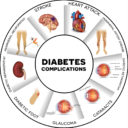
 November is Diabetes Awareness Month. If you are one of the estimated 29.1 million people that have diabetes, then you have most likely discussed with your doctor about possible health-related issues that come with the disease. Diabetes also can also harm your eyesight. Obtaining regular screenings will allow you to monitor your health and react to any changes that may have occurred.
The American Academy of Ophthalmology (and the American Diabetes Association) recommend patients with type 1 diabetes receive an eye exam within the first 5 years after diagnosis, then… Continue reading
THE LINK BETWEEN SUNGLASSES AND CATARACTS
 June is National Cataract Awareness Month, and UV rays are a significant risk factor for the eye disorder. The proper sunglasses can help protect you. As we get older, our eyes undergo physiological changes that can cause vision problems.
Ultraviolet light from the sun carries two types of radiation, UVA, and UVB rays. Ultraviolet radiation from the sun can cause cumulative damage to your eyes as you age, but you can protect your vision by wearing sunglasses every day.
Since UV light carries more energy than visible light, it… Continue reading
SAFETY TIPS FOR NIGHT DRIVING

Driving on an asphalt road towards the headlights
Have you noticed dusk starting to come earlier in the evening? Are you among those that don’t see as well when driving at night? Did you know that 9 of every 10 decisions you make behind the wheel are based on what you see?
It doesn’t matter if you’re 16 or 60. The ability to drive represents a sense of freedom for adults of all ages. But, as we get older, changes to the body and mind can make driving… Continue reading