
What You Need to Know to Protect Your Eyes
This flu season has been especially severe, with viruses spreading quickly through schools, workplaces, and communities. Along with influenza and other respiratory illnesses, eye infections—particularly pink eye (conjunctivitis)—tend to rise during peak flu season. Understanding the different types of pink eye, how it spreads, and how to prevent it can help protect both your eye health and overall wellness.
What Is Pink Eye?
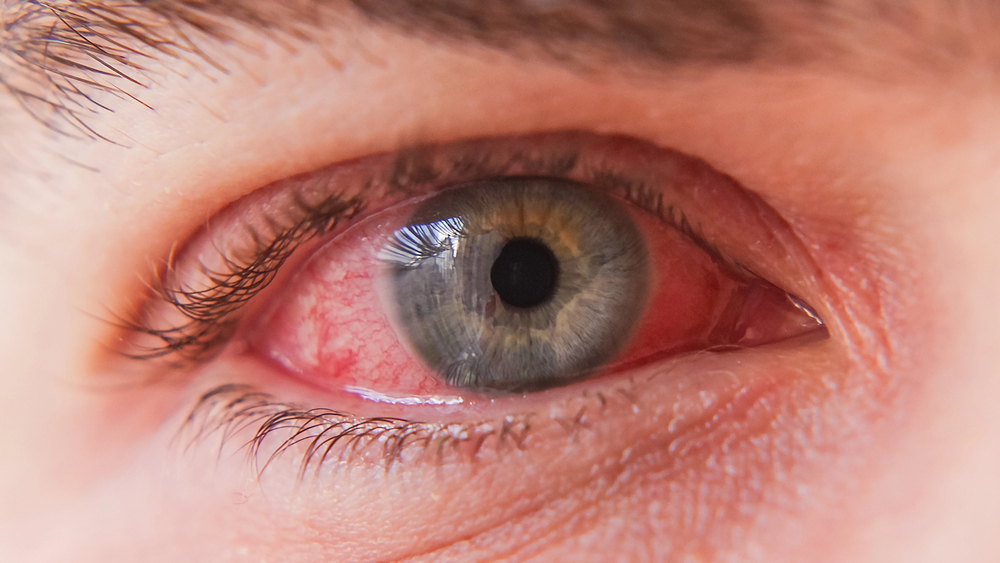
Pink eye, or conjunctivitis, is an inflammation of the conjunctiva—the clear tissue covering the white part of the eye and the inside of the eyelids. It often causes redness, irritation, discharge, and watering of the eyes. While pink eye is common and usually not serious, some forms are highly contagious and require prompt care.
Types of Pink Eye
There are several types of pink eye, each with different causes and treatments:
1. Viral Pink Eye
Viral conjunctivitis is the most common type and is often associated with colds, the flu, or other upper respiratory infections. It spreads easily through coughing, sneezing, and contact with contaminated surfaces.
Symptoms may include:
- Red or watery eyes
- Burning or gritty sensation
- Light sensitivity
- Clear or watery discharge
Viral pink eye usually resolves on its own, but it can be very contagious.
2. Bacterial Pink Eye
Bacterial conjunctivitis is caused by bacteria and is more common in children, though adults can be affected as well.
Symptoms may include:
- Thick yellow or green discharge
- Crusting of the eyelids, especially in the morning
- Redness and swelling
Antibiotic eye drops or ointments are often prescribed to speed recovery and reduce contagiousness.
3. Allergic Pink Eye
Allergic conjunctivitis is not contagious and is triggered by allergens such as pollen, dust, or pet dander.
Symptoms may include:
- Itching
- Redness in both eyes
- Tearing and swelling
Treatment typically includes allergy eye drops and avoiding known triggers.
4. Irritant or Chemical Pink Eye
This type is caused by exposure to smoke, chemicals, chlorine, or foreign objects. Symptoms usually improve once the irritant is removed and the eye is flushed.
Prevention: Handwashing Matters More Than Ever
During a severe flu season, good hygiene is your first line of defense against pink eye and other infections.
Key prevention tips include:
- Wash hands frequently with soap and water for at least 20 seconds
- Avoid touching or rubbing your eyes
- Do not share towels, washcloths, makeup, or eye drops
- Disinfect commonly touched surfaces like doorknobs, phones, and keyboards
- Replace eye makeup after an eye infection
- Practice proper contact lens hygiene and never sleep in lenses unless prescribed
Parents should encourage frequent handwashing at home and remind children to avoid touching their eyes at school.
Treatment and When to See the Doctors at Bissell Eye Care
If you develop symptoms of pink eye, it’s important to schedule an eye exam. Our doctors can determine the type of conjunctivitis and recommend appropriate treatment. Using the wrong medication—or waiting too long—can prolong symptoms or increase the risk of spreading the infection.
Seek care promptly if you experience:
- Eye pain or light sensitivity
- Blurred vision
- Symptoms that worsen or do not improve
- Thick discharge or swelling
Protect Your Eyes During Flu Season
With the severe flu season underway, staying vigilant about eye health is essential. Pink eye may seem minor, but it can disrupt daily life and spread quickly without proper care.
Simple steps like handwashing, avoiding eye contact, and timely eye exams go a long way in keeping your eyes healthy. If you or a family member notice signs of pink eye, contact the doctors at Bissell Eye Care for guidance and treatment.
Healthy habits today can help keep your eyes—and your family—seeing clearly all season long.
About Bissell Eye Care: John D. Bissell, OD, is the owner of Bissell Eye Care, proudly serving the Northern Pittsburgh and Alle-Kiski Valley regions. Dr. Bissell has received advanced training through the International Academy of Low Vision Specialists, enabling him to help patients living with vision impairment and low vision challenges. With two convenient office locations and evening appointments available, Bissell Eye Care offers comprehensive eye exams for the entire family—starting as young as six months. Our services include ocular disease detection and treatment, prescription eyeglasses and sunglasses, specialty activewear eyewear, contact lenses, and dedicated low vision evaluations for those with significant vision impairment and vision loss. We accept most vision and health insurance plans. To learn more, visit bisselleyecare.com or call our Bakerstown office at 724-443-6767 or our Natrona Heights office at 724-226-0444.