
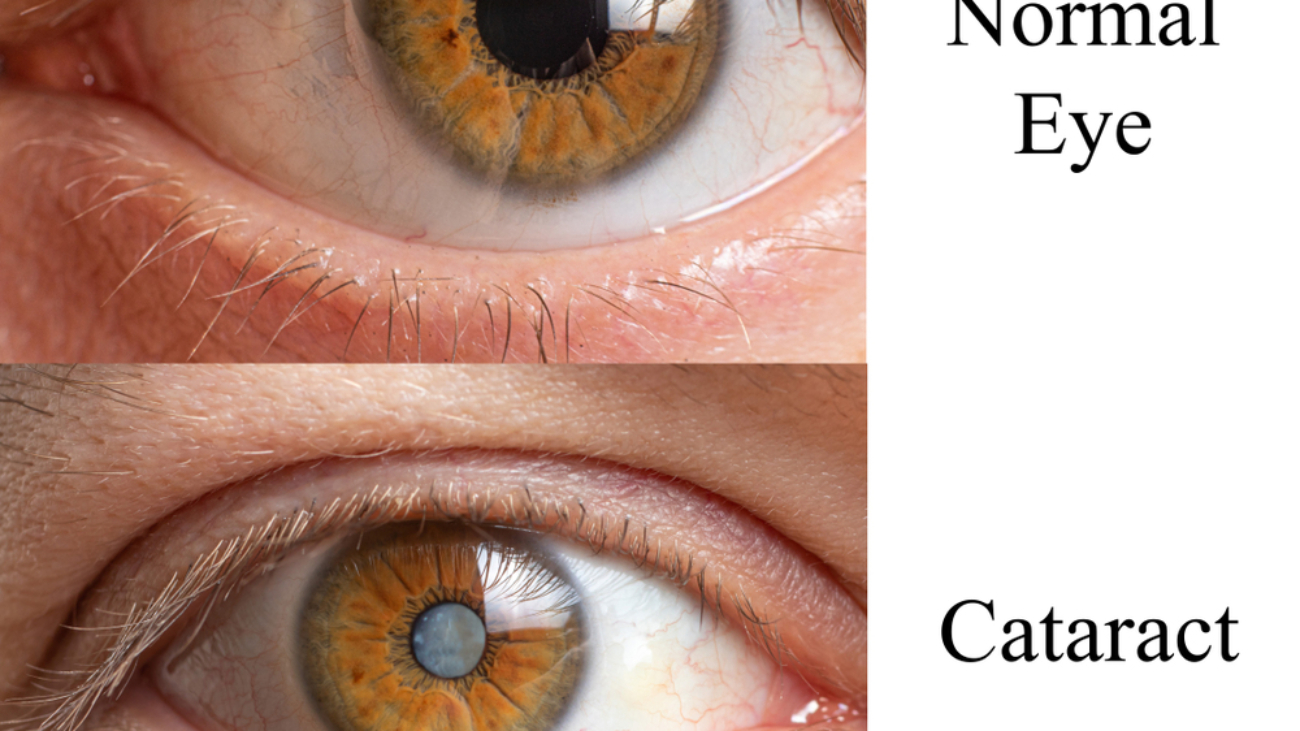
June is Cataract Awareness Month—an important time to understand how to protect your sight as you age. In recognition of Cataract Awareness Month, let’s take a closer look at what cataracts are, why early detection matters, and how healthy lifestyle choices can support long-term eye health.
Cataracts are one of the most common causes of vision loss worldwide, especially among adults over 60. Although cataracts are often a natural part of aging, there are proactive steps you can take to protect your vision and possibly delay their development.
What Are Cataracts?
A cataract is a clouding of the eye’s natural lens, which lies behind the iris and the pupil. As cataracts develop, they block light from passing clearly through the lens, making your vision appear blurry, foggy, or dim. Cataracts can form in one or both eyes and typically progress slowly over time.
Common symptoms of cataracts include:
- Blurred or cloudy vision
- Glare and halos around lights, especially at night
- Faded colors
- Frequent changes in eyeglass prescriptions
- Difficulty seeing in low light
Can Cataracts Be Prevented?
While not all cataracts can be prevented—especially those related to aging—certain lifestyle habits may slow their development or reduce your risk. Here’s how:
Protect Your Eyes from UV Rays
- Long-term exposure to ultraviolet (UV) light is a known risk factor for cataracts.
- Tip: Always wear sunglasses with 100% UVA and UVB protection, even on cloudy days.
Quit Smoking
- Smoking increases oxidative stress on the lens of the eye and significantly raises the risk of developing cataracts earlier.
- Tip: If you smoke, talk to your doctor about quitting strategies and support.
Eat a Diet Rich in Antioxidants
- Nutrients like vitamins C and E, lutein, and zeaxanthin may support eye health and slow the progression of cataracts.
- Tip: Include colorful fruits and vegetables, leafy greens, and omega-3 fatty acids in your daily meals.
Manage Health Conditions Like Diabetes
- Uncontrolled diabetes can accelerate cataract development.
- Tip: Maintain healthy blood sugar levels through regular checkups, medication, and lifestyle changes.
Limit Alcohol Intake
- Excessive alcohol consumption may increase the risk of cataracts.
- Tip: Stick to moderate or occasional drinking when possible.
Why Early Detection and Treatment Matter
If left untreated, cataracts can significantly impair your vision and limit your ability to drive, read, or live independently. Fortunately, cataracts are treatable with safe and highly effective outpatient surgery, which replaces the clouded lens with a clear artificial one.
The key is catching them early—which is why regular, comprehensive eye exams are essential, especially after age 60. During your exam the doctors at Bissell Eye Care can detect early signs of cataracts and monitor their progression over time. Early diagnosis allows for timely treatment and better outcomes.
Your Vision Deserves Attention
Take steps to protect your eyes and encourage loved ones to do the same. Schedule your annual eye exam, wear your UV-protective sunglasses, eat for eye health, and talk to the doctors at Bissell Eye Care about any changes in your vision.
Cataracts may be common, but vision loss doesn’t have to be. With smart lifestyle choices and regular eye care, you can stay focused on what matters most—seeing clearly and living fully. Call 724-443-6767 or 724-226-0444 today to schedule your comprehensive eye exam.
About Bissell Eye Care: John D. Bissell, OD owns and operates Bissell Eye Care servicing Northern Pittsburgh and Alle-Kiski Valley regions. With two locations to treat patients, we offer evening appointments. Bissell Eye Care provides comprehensive eye examinations for the entire family beginning as early as 6 months, ocular disease detection and treatment, eyeglasses, sunglasses, activewear, contact lenses, and low vision examinations for those with significant vision loss. We accept most types of vision and health insurance plans. For more information, visit bisselleyecare.com or call our Bakerstown Office at 724-443-6767 or Natrona Heights office at 724-226-0444.