
Diabetes

National Diabetes Awareness Month

November is National Diabetes Awareness Month and we want to take the time to not only bring awareness to the effect diabetes can have on your eyes but also on the effects the disease can have on your overall health.

According to the National Institute of Diabetes and Digestive and Kidney Diseases, “Diabetes is one of the most common chronic conditions in school-age youth in the United States, affecting about 193,000 youth under 20 years old.”

Diabetes can lead to blurry vision and is often one of the first warning signs of diabetes.  Several causes can stem from diabetes, as it may be a sign your glucose level is not in the right range — either too high or too low.

Over time, high blood sugar can damage the tiny blood vessels in your eyes. That can lead to a condition called diabetic retinopathy. High blood sugar can also lead to cataracts and glaucoma, which happen earlier and more often when you have diabetes.  Some of the symptoms of eye damage conditions include floaters or spots in your field of vision. Many of the symptoms may be very mild at first, which is why we stress the importance of regular eye exams for diabetics, in particular, to provide early detection of treatable eye problems

While Type I Diabetes is usually discovered at a young age and requires insulin injections to maintain the body’s proper blood sugar levels, Type 2 Diabetes (which is usually controlled with diet, exercise, and oral medication) can eventually lead to insulin injection dependency.  The key to helping avoid diabetes is proper exercise, diet, and weight management.

Diabetes can have negative effects on all parts of the body.  It can cause problems with the circulatory system, the central nervous system, the cardiovascular system, and vision.

There are several ways to help reduce the probability of developing diabetes.  Nearly 80% of people who are diagnosed with Type 2 Diabetes are considered overweight. It is easy to say that weight loss is the first way to help reduce your chances of developing this disease.  While many people may be overwhelmed at losing 40 to 50 pounds, take small steps.   Simply losing 10 pounds can have a positive effect on your body.

By losing the extra weight, it allows your body to function more normally and reduce the stresses that the extra weight but on your body.  Exercise also helps the body to function normally by helping the body to burn off the excess sugar.  This reduces the strain on your body and the amount of insulin needed to help convert the sugar into energy.

Making healthy choices and taking steps to manage your diabetes can ensure you don’t just live but thrive with diabetes. But it’s important to take steps now-your health can’t wait. It’s time to thrive by finding a balance of nutrition, physical activity and mental health management.


About Bissell Eye Care: John D. Bissell, OD owns and operates Bissell Eye Care servicing Northern Pittsburgh and Alle-Kiski Valley regions. With two locations to treat patients, we offer evening and Saturday appointments. Bissell Eye Care provides comprehensive eye examinations for the entire family beginning as early as 6 months, ocular disease detection and treatment, eyeglasses, sunglasses, activewear, contact lenses, and low vision examinations for those with significant vision loss. We accept most types of vision and health insurance plans. For more information, visit bisselleyecare.com or call our Bakerstown Office at 724-443-6767 or Natrona Heights office at 724-226-0444.

Money in the Hand

Will You Lose FSA Dollars

If you haven’t checked your FSA balance recently, now may be the time to check your account. These invaluable tax breaks can save you money, but it’s important to know your balance.  The Coronavirus Aid, Relief, and Economic Security Act, or CARES Act, and recent Internal Revenue Service guidance added more flexibility to these plans. You can now use the medical FSA for more expenses, you have more time to use the money, and you may be able to change the amount of money you set aside in your medical or dependent care FSA in the middle of the year.

As part of an employee benefit, you can set aside up to $2,750 pretax to a health care FSA for 2020. FSAs are pretax monies that can save an employee up approximately 30% on out of pocket medical expenses.

Employees may use their FSA funds to cover certain qualified medical expenses that their employer’s plan does not cover, such as co-pays and deductibles. Other qualified medical expenses include contact lenses, eye exams, eyeglasses, crutches, and hearing aids.

Different than a Health Savings Account (HSA), FSA’s must be used within the calendar year.  In January of each year, employees must decide how many pretax monies are withheld in the form of payroll deductions.  Employees anticipate what they feel they will spend during that year that is not covered by insurance.  Because many employees are concerned when judging what they may spend, they opt not to participate in FAS’s and actually leave money on the table.

Depending on your employer – they can offer employees two options to use it or lose it rule, or none at all.  However, the employee must choose one of the two options.  The carryover option allows an employee to transfer $500 of unused contributions from one plan year to the next. For example, if an employee has $500 of unused contributions in 2020, then he or she may carry those funds over into the 2021 plan year.

Second, with the grace period option, an employee has 2 1/2 months after the end of the plan year in which to use his or her unused contributions. For example, if an employee has unused contributions at the end of a plan year (December 31, 2020), then he or she must use those contributions by the following March 15, 2021, or risk forfeiting them.

The best solution is to know your balance and prepare to spend down those pretax dollars.  Your best move is to do a good job of accurately estimating your healthcare and dependent care expenses for the year so that you don’t run into a situation where you’re struggling to deplete your account balance. But if your company offers one of the above protections, you’ll go in with less risk.

Bissell Eye Care provides comprehensive eye care for the entire family.  New designer frames, contact lenses, sunglasses, and protective eyewear are items that can be used to spend down your account.  Don’t lose out…know your balance.


About Bissell Eye Care: John D. Bissell, OD owns and operates Bissell Eye Care servicing Northern Pittsburgh and Alle-Kiski Valley regions. With two locations to treat patients, we offer evening and Saturday appointments. Bissell Eye Care provides comprehensive eye examinations for the entire family beginning as early as 6 months, ocular disease detection and treatment, eyeglasses, sunglasses, activewear, contact lenses, and low vision examinations for those with significant vision loss. We accept most types of vision and health insurance plans. For more information, visit bisselleyecare.com or call our Bakerstown Office at 724-443-6767 or Natrona Heights office at 724-226-0444.
protective eyewear

Fall Cleanup

October is Eye Injury Prevention Month.  For nearly one million people who suffer eye injuries 90% of them could have been prevented with the use of protective eyewear.  Men are more likely to suffer an injury due to sporting accidents, working with chemicals and in woodshops, and operating yard equipment without the proper protection.


Think about the things that happen in the fall. 

Closing up swimming pools, cleaning windows, and other projects around the house that involve the use of chemicals can lead to injury.  Splashing chemicals can burn your eyes causing permanent damage.  When using household chemicals, be sure to work in a well-ventilated area and keep the spray nozzle pointed away from you.

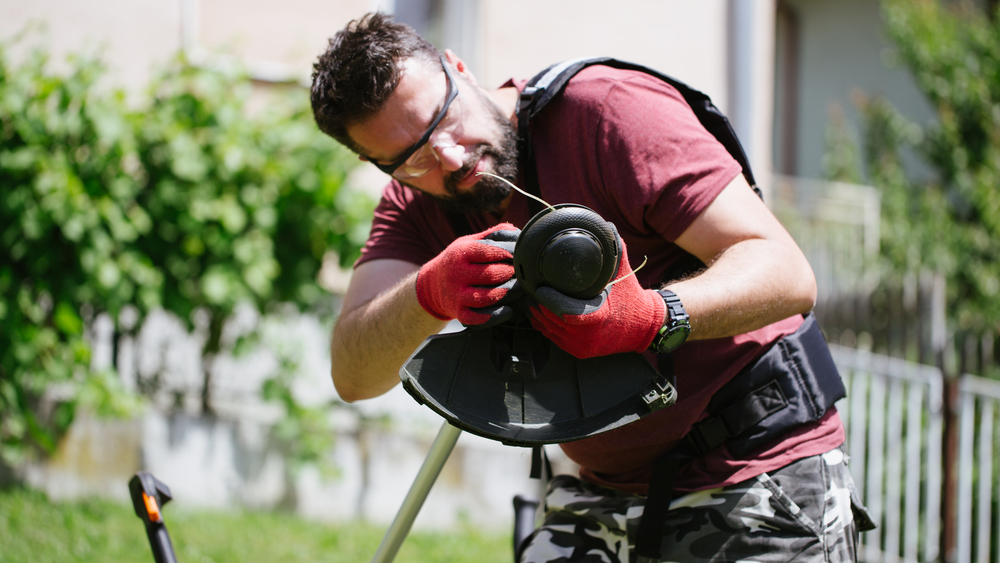
Yardwork is such as trimming shrubs, raking leaves, mowing the lawn and cleaning up after a wind storm can result in flying debris.  These particles can get into your eyes and have the potential to scratch or damage your eye.   Before starting up any outside tools, put on your protective eyewear.

For woodworking enthusiasts, flying fragments, fumes, dust particles, sparks can occur in the workshop or while doing woodworking projects.   Car buffs may encounter battery acid sparks and debris from damaged or improperly jump-started auto batteries that can severely damage your eyes. Learn the proper way to jump-start an automobile, and keep protective goggles in the trunk of your car to use for those emergencies and every day repairs.

Small business owners and independent contractors, you aren’t immune.  How often do you work a “side job” without the proper eye protection?  Whether you work for a large manufacturing company or are an independent business owner, you are subject to injury.  For the small business owner, it could mean the loss of work, wages and career with no safety net to ensure your financial future.

We recommend that every household have at least one pair of ANSI-approved protective eyewear to be worn when doing projects and activities at home to safeguard against eye injuries.

At Bissell Eye Care, we have many options for safety and sports eyewear available both our Bakerstown and Natrona Heights locations.  If you would like to invest in your eye health, consider purchasing a reliable pair of safety glasses! As always, UV Protection is also important for optimum ocular health. Ensuring that the exposure of the eye to harmful UV radiation is as limited as possible is equally as important as wearing protective glasses during risky activities. Sunglasses may be covered under your insurance care provider (especially if they are dispensed with your current prescription). If you have any questions or concerns or would like to schedule an appointment for an eye examination, call us today!  Knowledge is power, keep yourself safe and eyes healthy through proper eye safety protection.


About Bissell Eye Care: John D. Bissell, OD owns and operates Bissell Eye Care servicing Northern Pittsburgh and Alle-Kiski Valley regions. With two locations to treat patients, we offer evening and Saturday appointments. Bissell Eye Care provides comprehensive eye examinations for the entire family beginning as early as 6 months, ocular disease detection and treatment, eyeglasses, sunglasses, activewear, contact lenses, and low vision examinations for those with significant vision loss. We accept most types of vision and health insurance plans. For more information, visit bisselleyecare.com or call our Bakerstown Office at 724-443-6767 or Natrona Heights office at 724-226-0444.

Depositphotos_11879539_S

Trick-or-Treating Fun

The pumpkins are out, the leaves are changing, and fall is in the air.  Pumpkin patches are in full swing and children’s Halloween costumes are being planned.  To boot – 2020 brings about a full moon on Halloween so we want to do our part to keep our little ghouls and goblins out of harm’s way.  Trick or Treating can be a fun time for children and families and there are a few tips we’d like to share to keep everyone safe.


KEEP A CLEAR LINE OF VISION 

Does your costume or its accessories obstruct your view?  Masks, wigs, and eye patches may make an outfit complete, but make sure your child can see. Some masks are very dangerous for children because they block their side vision and can cause a trip hazard. You might want to consider decorating your child’s face with face paint or makeup.

FDA APPROVED MAKEUP

If you decide to disguise your child with makeup instead of a mask, use hypo-allergenic options, and keep makeup away from the eyes.  Make sure that any color additives to the face paints are FDA approved (check the Summary of Additives on the FDA website). When applying makeup near or around the eye, stay away from the lid margin, or lash line—the area where you would normally apply eyeliner. If you are applying make-up very close to the eye, use only products approved for use in that area such as an eyeliner or eyeshadow. Do not use blush or lip-liner to create a “red” effect.  It is a good idea to carry a damp towel or washcloth in case the makeup begins to run while trick-or-treating.

Use a makeup remover or cotton ball with baby oil for safe removal after a night of fun.

DECORATIVE CONTACT LENSES CAN BE DANGEROUS

Decorative lenses that appear to glow in the dark or create the illusion of “cat eyes” are popular with teens.  Buying the decorative contact lenses from a source other than an eye doctor can open the door to health issues.

Did you know according to the FDA that it is illegal to sell decorative contact lenses without a valid prescription?  This would include the lenses that are sold on the internet, in retail shops and salons.  Decorative lenses from unlicensed manufacturers may be made from inferior plastic or may contain toxic dyes. Untrained individuals may not follow proper hygiene while inserting or removing the devices. Eye infections related to improper wearing and handling of contact lenses can rapidly develop into infection and corneal ulcers, which can cause permanent blindness.

TRIP HAZARDS WITH LONG COSTUMES

Dark streets, porch steps and uneven ground are challenging especially for young children.  Be sure your child’s costume ends well above their ankles to avoid a trip hazard.  Use well-fitting shoes or boots for safe walking.  Make sure your child’s costume is flame resistant and avoid baggy, billowing skirts and cloaks that might brush against a candle-lit jack-o’-lantern or luminary.

SHARP OBJECTS TO BE USED AS PROPS CAN BE DANGEROUS

Some costumes don’t seem complete without swords or wands.  Sharp, pointed props endanger your child’s eyes as well as the eyes of others.   If your child must carry a sword, find a belt carrier or scabbard where the sword can stay safely nestled while the kids roam the neighborhood. Buy or construct only accessories made of soft or flexible materials.

REFLECTIVE COSTUMES ARE A MUST

See and be seen!  Give trick-or-treaters flashlights to find their way in the dark.  There are several glow in the dark devices children can wear such as necklaces or glow sticks.  If the costume your child chooses is not made of reflective material, sew on reflective fabric strips or use stick-on strips of reflective tape. You want your child to be seen, especially crossing streets in the dark. Place reflective material on the front, back, and sides of your child’s costume.

Happy haunting….be informed, be safe and have a Happy Halloween.


About Bissell Eye Care: John D. Bissell, OD owns and operates Bissell Eye Care servicing Northern Pittsburgh and Alle-Kiski Valley regions. With two locations to treat patients, we offer evening and Saturday appointments. Bissell Eye Care provides comprehensive eye examinations for the entire family beginning as early as 6 months, ocular disease detection and treatment, eyeglasses, sunglasses, activewear, contact lenses, and low vision examinations for those with significant vision loss. We accept most types of vision and health insurance plans. For more information, visit bisselleyecare.com or call our Bakerstown Office at 724-443-6767 or Natrona Heights office at 724-226-0444.
Forever Young Road image

Tips for Healthy Aging

September is National Healthy Aging Month an effort to recognize aging adults.  The Healthy Aging® organization was created over 25 years ago to draw attention to the importance of healthy lifestyles for adults, 45-plus. With proper diet and exercise and regular health screenings, each generation is proving that many older adults are vibrant, passionate, and not the image of old age at all. From the Greatest Generation (those now over 93), the Silent Generation (those between 75 and 92), and Baby Boomers (56 to 74) to Gen-Xers (40 to 55), individuals are determined to remain active by setting healthy goals.

As part of those goals, we want to point out some advantages of annual exams and health visits.  When it comes to your vision many diseases can be slowed down, stopped, or even reversed if caught early.  Having an annual comprehensive eye exam that includes dilation helps to give a baseline for your doctor to better be able to notice changes in your eyes.

Are you squinting a little more to read labels or catch that email on your phone? You’re not alone. As you age, it’s normal to notice changes in your vision. According to the National Eye Institute, some changes are normal, however, some may be cause for concern.

As we age, it’s normal to:

  • Lose focus, find it harder to focus vision up close.
  • Find it challenging to distinguish colors, such as blue from black, or to see where an object ends and its background begins.
  • Need more light to see well and more time to adjust to leaving a dark room and going into a brightly lit room.

Actual vision loss is not a normal part of aging.

If your eyes aren’t giving you any discomfort, they may become a second thought.  However, a condition called dry eye can become unpleasant, painful, and create a gritty feeling as well as blurred vision.  Based on data from the National Health and Wellness Survey, 6.8 percent of the United States adult population (approximately 16.4 million people) have been diagnosed with Dry Eye Disease with women more likely to develop dry eyes after menopause.

Certain medical conditions can impact our tear function, triggering dry eye — among them, systemic autoimmune diseases (such as rheumatoid arthritis and lupus), as well as diabetes, strokes, and thyroid problems. Antihistamines, decongestants, blood pressure medications, antidepressants, and anti-anxiety medication, and hormone replacement therapy to relieve symptoms of menopause can also lead to dry eyes.

Other types of eye diseases that appear as we age can include age-related macular degeneration (AMD) – cataracts, diabetic retinopathy, and Glaucoma.

Are you ready to take control of your health?  Here are some tips.

  • Stop smoking.
  • Exercise.
  • Maintain normal blood pressure.
  • Control diabetes (if you have it).
  • Wear sunglasses and a brimmed hat any time you are outside in bright sunshine.
  • Eat a diet rich in green, leafy vegetables and fish.
  • Wear protective eyewear when working around your house or playing sports.

Vision loss is not always immediately noticeable.  Many times an individual can lose a significant amount of vision before it becomes noticeable.  When vision loss is detected early, the person stands a much greater chance of being able to slow down or even prevent their vision loss.

Medical screenings are important too.  Annual physicals, bloodwork, and regular cancer screenings can be a pivotal point of identifying a problem and taking the proper steps to treat it.  These screenings also provide peace of mind that you are as healthy as you can be.

Diet and exercise also play in role in healthy aging.  It’s easy to come home from a long day at the office, run through the take out window and grab a quick bite.  Taking time to plan and cook meals on the weekend allows for better eating habits and healthier food all around.

Put regular exercise into your routine that will help shed some unwanted pounds.  Take a walk at lunch or right after work if you can.  As we grow older, gone are the responsibilities of running kids to their various activities.  Make taking care of yourself the priority and put exercise into your calendar.

While we, at Bissell Eye Care, focus on vision and helping our patients to see to the best of their ability, we want to stress the importance of not just routine eye appointments, but all suggested medical appointments and screenings.  As we age it becomes more important than ever to take care of yourself. The quality of our lives as we age will depend on what we do today.   Stay positive. Try to think beyond yourself. Sure, these are complicated, unsettling times but you can use these days to work on your own health as well as to support your friends, neighbors, and family.


About Bissell Eye Care: John D. Bissell, OD owns and operates Bissell Eye Care servicing Northern Pittsburgh and Alle-Kiski Valley regions. With two locations to treat patients, we offer evening and Saturday appointments. Bissell Eye Care provides comprehensive eye examinations for the entire family beginning as early as 6 months, ocular disease detection and treatment, eyeglasses, sunglasses, activewear, contact lenses, and low vision examinations for those with significant vision loss. We accept most types of vision and health insurance plans. For more information, visit bisselleyecare.com or call our Bakerstown Office at 724-443-6767 or Natrona Heights office at 724-226-0444.

Dr. Johnson retires and sells practice to long time friend and Dr. John Bissell

Childhood Dreams Become Reality

Who says childhood dreams don’t come true?  For Dr. Bissell, he knew at an early age he wanted to become an optometrist.  Dr. Roger Johnson, a local optometrist became a mentor and longtime friend watching Dr. Bissell grow personally and professionally.  Dr. Johnson has since retired and Dr. Bissell purchased the practice in 2013.  Since that time, the practice has grown and most recently relocated to their own space located at 4001 Freeport Road, Natrona Heights.

With state-of the-art equipment, new merchandise and an elite staff of professionals, they stand ready to serve the Alli-Kiski region.  Madasyn Lee, a Tribune-Review staff writer, recently wrote an article about Dr. Bissell’s journey that we’d like to share.

“Dr. John Bissell knew by age 13 that he wanted to be an optometrist.

He started wearing glasses when he was 7. From there, his fascination with the human eye grew.

“My mom and dad bought me a microscope when I was a kid, and binoculars and a telescope. So, I was always intrigued by that,” Bissell said. “Then … when I first started wearing glasses, I just remember being intrigued by all the stuff in the (optometrist) office. So that kind of laid the seeds.”

Bissell got a head start on learning from Dr. Roger K. Johnson, the optometrist he visited when he was a boy.

Recognizing his passion for eye care, Johnson let Bissell job shadow him when Bissell was a student at Highlands High School. He ultimately asked Bissell to take over his practice when he retired.

“He was my optometrist, and he’s the one who kind of mentored me. We’re still in touch all the time,” said Bissell, 41, of Kittanning. “It just kind of always seemed like it was meant to be.”

Bissell owns Bissell Eye Care, which has locations in Richland and Harrison. The practice offers eye exams and vision services for children and adults. It sees about 350 to 400 patients a month between both locations.

Bissell bought Johnson’s practice in December 2013. It previously was located in the Heights Plaza, but recently moved to a larger space along Freeport Road to accommodate more merchandise, patients and examination equipment.

“The practice keeps growing, so we needed the room, so we moved on,” Bissell said.

Bissell enjoys working on complex medical cases and has received advanced training in using specially designed telescopic glasses, which help people suffering from severe vision loss. He received that training from the International Academy of Low Vision Specialists, a group of optometrists who are specially trained in low vision.

“I carry low vision devices for patients who have always been told that nothing more can be done for them,” Bissell said. “We’re not talking somebody that goes, ‘Oh, if I take my glasses off I can’t see, but if I put my glasses on I can see.’ We’re talking people who’ve got macular degeneration, diabetic retinopathy, people with significant vision problems that, even with their glasses on, they really still have a lot of issues seeing.”

Johnson said he is proud of Bissell’s accomplishments. He believes he has taken the practice “to another level.”

“With the automation and the incredible new machines, they’re able to diagnose more things,” said Johnson, 65, of Ligonier. “He’s always on the cutting edge of things. It’s just great.”

The Harrison practice as a whole is estimated to have been around for about 75 years. Before Johnson, it belonged to another optometrist, Dr. Earl Clifford. Johnson took it over in 1980.

“I think the practice would date back with Dr. Clifford probably to post World War II, so 1945, something like that,” Johnson said. “To have that sort of coverage for that length of time with just three practitioners is pretty cool.”


Depositphotos_16276245_S

Prepare for Flu Season and Conjunctivitis

The 2019 – 2020 flu season is in full swing with the flu and conjunctivitis often going hand in hand.  Experts are predicting epidemic levels of cold and flu will continue during peak flu season.  It seems like everywhere you turn, someone is sick.  For those individuals who received a flu shot your symptoms may not be quite as severe.  Nonetheless, proper handwashing can be the key to not spreading those nasty germs.

When we think of the flu, things such as body aches, fever, and stomach viruses come to mind but flu season may also bring an unexpected surprise in the form of conjunctivitis most commonly referred to as “pink eye”.  Unfortunately, pink eye rides on the coattails of the flu and cold season and is adding to many people’s uncomfortable symptoms.

Pink eye, or conjunctivitis, is caused by inflammation of the conjunctiva, which is the tissue that lines the inside of the eyelid and helps to keep the eyelid and eyeball moist. The condition can be caused by bacteria, a virus, allergens, or other irritants. The same viruses that cause colds and the flu—such as adenovirus, enterovirus, and influenza virus—can also cause pink eye.

Cold and flu viruses can cause pink eye by traveling through the tear duct from the nose to the eye. However, most pink eye cases are caused by failing to wash your hands after you blow your nose or if you unknowingly touch a surface or object that someone with the flu or cold has recently touched. If you then rub your eyes, you’re transferring the virus or bacteria to your eyes.

There are three types of conjunctivitis:  1) Bacterial   2) Allergic and 3) Viral Conjunctivitis. 

Symptoms that present with conjunctivitis include:

  • Gritty feeling in the eye or both eyes
  • Excessive tearing
  • Itchy or burning sensation
  • Discharge and/or swollen eyelids
  • Pink Discoloration
  • Sensitivity to light.

Conjunctivitis is contagious so take these steps to avoid “sharing the joy” with others:

  • Practice good hygiene and teach your children how to properly wash their hands
  • Don’t touch your face with your hands
  • Avoid using cosmetics and eye care items and discard those currently used (particularly mascara) when first diagnosed with conjunctivitis to prevent spreading the infection.
  • Change towels and washcloths daily and avoid sharing with others
  • Avoid wearing contact lenses and dispose of those used at the start of the infection.

Pink eye can last from 10 days to two weeks, but there are several treatment options available depending on the cause and severity that can help alleviate your symptoms. Topical steroid drops and/or antibiotics based on which type of conjunctivitis you have will be used to treat conjunctivitis.  Viral conjunctivitis much like the common cold must run the course and only in severe cases are steroids used.

The best course of action is to schedule an appointment with your optometrist to properly diagnose and treat your infection.  At Bissell Eye Care, we also have tests that examine the optic nerve to ensure there’s not an underlying problem that can become more serious.  If in doubt, don’t delay – have your eye’s checked for infection.

About Bissell Eye Care: John D. Bissell, OD owns and operates Bissell Eye Care servicing Northern Pittsburgh and Alle-Kiski Valley regions. With two locations to treat patients, we offer evening and Saturday appointments. Bissell Eye Care provides comprehensive eye examinations for the entire family beginning as early as 6 months, ocular disease detection and treatment, eyeglasses, sunglasses, activewear, contact lenses, and low vision examinations for those with significant vision loss. We accept most types of vision and health insurance plans. For more information, visit bisselleyecare.com or call our Bakerstown Office at 724-443-6767 or Natrona Heights office at 724-226-0444.

October Is Eye Injury Prevention Month

Skilled carpenter cutting a piece of wood in his woodwork workshop, using a circular saw, and wearing safety googles and earmuffs, with other machinery in the background

October is Eye Injury Prevention Month. Did you know that nearly 2.5 million people suffer eye injuries each year in the United States, and nearly one million people have lost some degree of vision as a result of their injury? Do you always wear protective eyewear when performing home repairs or maintenance?

According to the fifth-annual Eye Injury Snapshot conducted by the American Academy of Ophthalmology and the American Society of Ocular Trauma found that:

  • Most people believe that eye injuries are most common on the job — especially in factories and on construction sites. But in fact, nearly half of all eye injuries occurred in the home.
  • Home repairs, yard work, cleaning, and cooking caused more than 40 percent of eye injuries.
  • More than a third of those injuries in the home happened in the kitchen, bedroom, bathroom, living or family room.
  • More than 40 percent of eye injuries every year are related to sports or recreational activities.
  • More than 78 percent of people were not wearing eyewear at the time of injury. Only 5.3 percent of those who were wearing eyewear

Most injuries could have been prevented by wearing protective eyewear.

Could your job land you in the doctor’s office or the ER with an eye injury? According to the U.S. Bureau of Labor Statistics, more than 20,000 workplace eye injuries happen each year. Injuries on the job often require one or more missed workdays for recovery. The Bureau of Labor Statistics states that nearly three out of every five workers injured were not wearing eye protection at the time of an accident. While you may believe it unnecessary to wear protective glasses at your job, consider the alternative of losing eyesight in one or both eyes.

Small business owners and independent contractors, you aren’t immune. How often do you work a “side job” without the proper eye protection? Whether you work for a large manufacturing company or are an independent business owner, you are subject to injury. Are you willing to take a risk as it could mean the loss of work, wages and career with no safety net to ensure your financial future?

To help prevent eye injuries and make your workplace safer and take steps to protect your eyesight. Follow the OSHA rules regulations and guidelines.

Eye injuries are not limited to the workplace. Think about the things you do around the house to get ready for winter. Flying debris or other small particles can be created from outside jobs such as trimming shrubs, raking leaves, mowing the lawn and cleaning up after a wind storm. These particles can get into your eyes and have the potential to scratch or damage your eye. Put on protective eyewear before you use a lawnmower, power trimmer or edger and be sure to check for rocks and stones when mowing as they can become dangerous projectiles as they shoot from these machines.

When we think of fall cleanup –many things can occur around the house to get your home ready for winter. Closing up swimming pools, cleaning windows and gutters, as well as other projects around the house that involve the use of chemicals can lead to injury. Splashing chemicals can burn your eyes causing permanent damage. When using household chemicals, be sure to work in a well-ventilated area and keep the spray nozzle pointed away from you. Read the labels of chemicals and cleaners carefully, and don’t mix products.

Flying fragments, fumes, dust particles, sparks can occur in the workshop or while doing woodworking projects. For those car buffs, battery acid sparks and debris from damaged or improperly jump-started auto batteries can severely damage your eyes. Learn the proper way to jump-start an automobile, and keep protective goggles in the trunk of your car to use for those emergencies and every day repairs.
We recommend that every household have at least one pair of ANSI-approved protective eyewear to be worn when doing projects and activities at home to safeguard against eye injuries.

At Bissell Eye Care, we have many options for safety and sports eyewear available both our Bakerstown and Natrona Heights locations. If you would like to invest in your eye health, consider purchasing a reliable pair of safety glasses! As always, UV Protection is also important for optimum ocular health. Ensuring that the exposure of the eye to harmful UV radiation is as limited as possible is equally as important as wearing protective glasses during risky activities. Sunglasses may be covered under your insurance care provider (especially if they are dispensed with your current prescription).

If you have any questions or concerns or would like to schedule an appointment for an eye examination, call us today! Knowledge is power, keep yourself safe and eyes healthy through proper eye safety protection.

About Bissell Eye Care: John D. Bissell, OD owns and operates Bissell Eye Care servicing Northern Pittsburgh and Alle-Kiski Valley regions. With two locations to treat patients, we offer evening and Saturday appointments. Bissell Eye Care provides comprehensive eye examinations for the entire family beginning as early as 6 months, ocular disease detection and treatment, eyeglasses, sunglasses, activewear, contact lenses, and low vision examinations for those with significant vision loss. We accept most types of vision and health insurance plans. For more information, visit bisselleyecare.com or call our Bakerstown Office at 724-443-6767 or Natrona Heights office at 724-226-0444.
Halloween Costume Safety Tips

Happy group of children in costumes during Halloween party playing around the table with pumpkins and bottle of potion

From the candy to Halloween costumes, this is a fun-filled time for kids and parents. Although it’s been a warm October, the signs of fall are certainly around us. The leaves on the trees are turning, haunted houses are popping up. There’s a nip in the air, pumpkin patches are in full swing and children’s Halloween costumes are being planned. We wanted to offer a few tips on dressing your little ghouls and goblins.

Does your costume block your vision?
Masks, wigs and eye patches may make an outfit complete, but make sure these accessories don’t significantly obstruct your field of view. Some masks are very dangerous for children because they make it hard to breathe, block their side vision, and can cause a trip hazard. Consider decorating your child’s face with non-toxic face paint or makeup. Make sure wigs and beards don’t cover your kids’ eyes, noses, or mouths.

Avoid over the counter decorative contact lenses.
Although it’s illegal to sell decorative contact lenses without a valid prescription, FDA says the lenses are sold on the Internet and in retail shops and salons. Don’t buy or wear decorative contact lenses that have not been prescribed by an eye doctor. The decorative lenses make the wearer’s eyes appear to glow in the dark, create the illusion of vertical “cat eyes,” or change the wearer’s eye color. These lenses are particularly popular for teens.
Decorative lenses from unlicensed manufacturers may be made from inferior plastic or may contain toxic dyes. Besides, untrained individuals may not follow proper hygiene in inserting or removing the devices. Eye infections related to improper wearing and handling of contact lenses can rapidly develop into corneal ulcers, which can cause permanent blindness.

No long costumes.
Long costumes can cause a trip hazard. To prevent falls, avoid oversized and high-heeled shoes. Make sure the rest of the costume fits well. Be sure your child’s costume ends above their ankles to avoid a fall. Use well-fitting shoes or boots for safe walking. Make sure your child’s costume is flame resistant and avoid baggy, billowing skirts and cloaks that might brush against a candle-lit jack-o’-lantern or luminary.

Use FDA approved makeup.
If you decide to disguise your child with makeup instead of a mask, use hypo-allergenic options and keep it away from the eyes. Make sure that any color additives to the face paint are FDA approved (check the Summary of Additives on the FDA website). When applying makeup near or around the eye, stay away from the lid margin, or lash line—the area where you would normally apply eyeliner. If you are applying make-up very close to the eye, use only products approved for use in that area such as an eyeliner or eyeshadow. Do not use blush or lip-liner to create a “red” effect. It is a good idea to carry a damp towel or washcloth in case the makeup begins to run while trick-or-treating.

Don’t allow sharp objects to be used as props.
Some costumes don’t seem complete without swords or wands. Elementary and nursery schools are very strict in prohibiting these props for school parties. Sharp, pointed props endanger your child’s eyes as well as the eyes of other children. If your child must carry a sword, find a belt carrier or scabbard where the sword can stay safely nestled while the kids roam the neighborhood. Buy or construct only accessories made of soft or flexible materials.

Make sure costumes are reflective.
If the costume your child chooses is not made of reflective material, sew on reflective fabric strips or use stick-on strips of reflective tape. You want your child to be seen, especially crossing streets in the dark. Place reflective material on the front, back and sides of your child’s costume. Give kids flashlights with fresh batteries. Kids may also enjoy wearing glow sticks as bracelets or necklaces. According to Safe Kids Worldwide, the risk of children being hit by a car is higher on Halloween than on any other day of the year.

Use the Buddy System.
Small children should always be accompanied by an adult. Older children should never trick or treat alone. Review with children how to call 9-1-1 (or their local emergency number) if they ever have an emergency or become lost.

Check Your Child’s Candy.
When they get home, it’s time to check the loot! Discard any candy with holes in the wrappers, or homemade goodies unless it is from someone you know. You may want to limit how much candy they can have following a night of haunting!

Happy haunting….be informed, be safe and have a Happy Halloween.

About Bissell Eye Care: John D. Bissell, OD owns and operates Bissell Eye Care servicing Northern Pittsburgh and Alle-Kiski Valley regions. With two locations to treat patients, we offer evening and Saturday appointments. Bissell Eye Care provides comprehensive eye examinations for the entire family beginning as early as 6 months, ocular disease detection and treatment, eyeglasses, sunglasses, activewear, contact lenses, and low vision examinations for those with significant vision loss. We accept most types of vision and health insurance plans. For more information, visit bisselleyecare.com or call our Bakerstown Office at 724-443-6767 or Natrona Heights office at 724-226-0444.

Night Vision and Driving

Night Vision and Driving

Night vision is the ability to see well in low-light conditions. As we age, we have greater difficulty seeing at night. Did you know that 9 of every 10 decisions you make behind the wheel are based on what you see? A 50-year-old driver may need twice as much light to see as well as a 30-year-old. At age 60 and older, driving can become even more difficult, according to the American Optometric Association. If night driving is challenging, millions of Americans feel the same way.

Many different things may cause trouble in seeing at night. It can be as simple as needing a new eyeglass prescription, lacking vitamins, overexposure to the sun or the presence of cataracts. If you find that you are having trouble seeing at night, contact your eye doctor who can help to rule out diseases that could cause long term loss of vision.

Below are some of the most common causes of night vision loss in adults.  

  • Cataracts. The eye’s lens is located behind the pupil. As you age cells grow and die inside of the lens. This causes debris to build up and leads to cataracts. Cataracts are not painful, however, they will gradually cloud your lens. One of the first symptoms of cataracts is decreased visibility at night. Blurry vision is also common with cataracts or seeing halos around objects.
  • Lack of Vitamin A. Vitamin A is found in many leafy vegetables and also in carrots. It helps to keep the retina healthy. While it is not common for many Americans to lack Vitamin A, diseases such as Crohn’s disease, Celiac disease or gastric bypass may make it difficult for the body to absorb needed vitamins. Not getting enough of needed vitamins can increase the chance of having decreased night visibility.
  • Retinitis pigmentosa. This is a rare genetic disorder that mostly affects younger people before they reach the age of 30. A decline in night vision is usually the first symptom but can lead to a total loss of vision.
  • Sunlight exposure. Having large amounts of sunlight exposure, after a trip to the local ski resort or laying out on the beach, can burn your eyes. This is known as sun blindness and can last for a few days or longer depending on the amount of exposure and the frequency that you experience this exposure. Wearing sunglasses helps to prevent permanent damage to your eyes from the sun.
  • Macular Degeneration. The deterioration of the macula, which is the small central area of the retina of the eye that controls visual acuity.

We can’t change the aging process so what steps can be taken to ensure safe nighttime driving?

  • Have an annual vision exam to check for such things as cataracts that can cause nighttime vision loss.
  • Check with your doctor about the side effects of prescription drugs
  • Reduce speed
  • Take a driving course; even experienced drivers can benefit from a refresher course, and some of the rules have probably changed
  • Avoid driving on dark rainy nights.
  • Keep windshields clean inside and out.
  • Avoid looking directly at approaching vehicles at night, even when their lights are dimmed.

Be proactive in taking care of your health and be safe on the road. Be honest with yourself. If a driving situation makes you uncomfortable, don’t do it. Many older drivers voluntarily begin to make changes in their driving practices. If fast-moving traffic bothers you, consider staying off freeways, highways, and find street routes instead. You may also decide to avoid driving in bad weather (rain, thunderstorms, snow, hail, ice). If you are going to a place that is unfamiliar to you, it is a good idea to plan your route before you leave so that you feel more confident and avoid getting lost.

If friends or relatives are concerned about your driving ability – it may be time to take a hard look at your safety and the safety of others.

About Bissell Eye Care: John D. Bissell, OD owns and operates Bissell Eye Care servicing Northern Pittsburgh and Alle-Kiski Valley regions. With two locations to treat patients, we offer evening and Saturday appointments. Bissell Eye Care provides comprehensive eye examinations for the entire family beginning as early as 6 months, ocular disease detection and treatment, eyeglasses, sunglasses, activewear, contact lenses, and low vision examinations for those with significant vision loss. We accept most types of vision and health insurance plans. For more information, visit bisselleyecare.com or call our Bakerstown Office at 724-443-6767 or Natrona Heights office at 724-226-0444.