

Senior man using tablet PC with his adult son.

6 New Advances in Macular Degeneration Treatment for 2025

More than 200 million people around the world are living with age-related macular degeneration (AMD), a leading cause of vision loss among older adults. While treatments have existed for years to slow the disease, exciting new advancements are bringing us closer than ever to protecting—and even restoring—vision.

In this article, we’ll highlight six promising new treatments for macular degeneration, from gene therapy and stem cell research to cutting-edge drug delivery systems.

What Is Age-Related Macular Degeneration?

AMD is a condition that damages the macula, the central part of the retina responsible for sharp, detailed vision. Imagine the eye as a camera: light passes through the cornea, lens, and vitreous gel before reaching the retina at the back. The macula, located at the center of the retina, provides the ability to read, recognize faces, and see fine details.

When the macula deteriorates, central vision becomes blurry, distorted, or lost altogether.

There are two main types of AMD:

  • Dry AMD (most common): Caused by the buildup of protein deposits (drusen) under the retina, which interfere with macular function.
  • Wet AMD: Develops from dry AMD when the body tries to compensate by growing new blood vessels. Unfortunately, these vessels leak fluid and blood, leading to faster and more severe vision loss.

Current Treatments

Treatment depends on whether AMD is dry or wet, and on the stage of the disease. A comprehensive eye exam, including OCT scans and other tests, guides the care plan.

  • Dry AMD: No approved medications exist yet, but progression can be slowed with lifestyle choices like a nutrient-rich diet, smoking cessation, blood pressure control, and certain doctor-recommended supplements.
  • Wet AMD: The mainstay of treatment is anti-VEGF injections (Lucentis, Eylea, or Avastin), which block abnormal blood vessel growth and fluid leakage. Laser or photodynamic therapy may also be used.

Anti-VEGF therapy is highly effective—stabilizing vision in about 90% of patients and even improving it in 30%. However, the need for frequent eye injections can be burdensome.

6 Promising New Treatments for Macular Degeneration

The next generation of AMD care aims to target the root causes of the disease, restore lost vision, and reduce the burden of treatment. Here are six exciting developments:

1. Gene Therapy

Instead of repeated injections, gene therapy teaches the eye to produce its own anti-VEGF proteins. Two therapies—RGX-314 and ADVM-022—are in clinical trials for wet AMD, while HMR59 and GT005 show promise for slowing late-stage dry AMD.

2. Stem Cell Therapy

Stem cell therapy replaces damaged retinal pigment epithelial (RPE) cells with healthy lab-grown ones. If researchers can perfect safe, long-term delivery methods, this approach could potentially repair retinal damage and restore vision.

3. Complement Inhibitors for Late-Stage Dry AMD

In geographic atrophy, the advanced stage of dry AMD, the immune system can over-attack healthy retinal tissue. Complement inhibitors—including Syfovre (pegcetacoplan) and Izervay (avacincaptad pegol), both approved in 2023—slow the growth of retinal lesions by calming this overactive immune response.

4. Long-Acting Anti-VEGF Drugs

To reduce the burden of frequent injections, new long-lasting medications such as Eylea HD (aflibercept) and Vabysmo (faricimab) deliver extended protection with fewer treatments. Approved in 2023, these drugs can keep patients on track with less frequent office visits.

5. Implantable Drug Delivery Systems

The Susvimo implant (ranibizumab) continuously releases medication over six months. While it requires a minor surgical procedure and periodic refills, it offers the same results as standard anti-VEGF injections with far fewer appointments.

6. Light Therapy

The FDA approved photobiomodulation (the Valeda Light Delivery System) in 2024 for dry AMD. This non-invasive therapy uses red and near-infrared light to boost cellular energy and improve retinal function. Studies show it can slow disease progression and, in some cases, improve vision.

Looking Ahead

The introduction of anti-VEGF therapy revolutionized AMD care. Now, in 2025, we are entering a new era of treatments that not only slow progression but also aim to restore sight—while being less invasive and more patient-friendly.

For those living with macular degeneration, the future is brighter than ever.  For questions regarding macular degeneration, or low vision services, contact Dr. Bissell at 724-443-6767 or 724-226-0444.


About Bissell Eye Care: John D. Bissell, OD, is the owner of Bissell Eye Care, proudly serving the Northern Pittsburgh and Alle-Kiski Valley regions. Dr. Bissell has received advanced training through the International Academy of Low Vision Specialists, enabling him to help patients living with vision impairment and low vision challenges. With two convenient office locations and evening appointments available, Bissell Eye Care offers comprehensive eye exams for the entire family—starting as young as six months. Our services include ocular disease detection and treatment, prescription eyeglasses and sunglasses, specialty activewear eyewear, contact lenses, and dedicated low vision evaluations for those with significant vision impairment and vision loss. We accept most vision and health insurance plans. To learn more, visit bisselleyecare.com or call our Bakerstown office at 724-443-6767 or our Natrona Heights office at 724-226-0444.


Healthy-Aging-and-Your-Eyes

Healthy Aging and Your Eyes: A Guide to Preserving Vision

As we grow older, our bodies naturally change—and our eyes are no exception. According to the National Eye Institute, vision loss from age-related eye disease is becoming a major public health concern. Today, more than 40 million Americans are over the age of 65, and that number is projected to rise to 88 million by 2050.

Protecting your eyesight is vital to maintaining independence and quality of life. By understanding common age-related eye conditions and making healthy choices now, you can enjoy clearer vision well into your later years.

Common Eye Diseases in Older Adults

Aging increases the risk of several eye conditions. Awareness and early detection through comprehensive eye exams at Bissell Eye Care can make a significant difference in protecting your sight.

  • Cataracts – Clouding of the eye’s natural lens causes blurred vision, glare, and difficulty seeing at night. Cataracts are common but highly treatable—surgery is safe, effective, and can restore clear vision.
  • Glaucoma – Often called the “silent thief of sight,” glaucoma damages the optic nerve, usually from high eye pressure. It develops slowly and can cause permanent vision loss if not detected early. Regular exams are critical to monitor eye pressure and preserve vision.
  • Age-Related Macular Degeneration (AMD) – AMD affects central vision by damaging the macula, the part of the retina that lets you see fine details. While there’s no cure, lifestyle changes, supplements, and treatments can slow its progression.
  • Diabetic Retinopathy – High blood sugar levels can damage blood vessels in the retina, leading to vision loss. Managing diabetes and having routine eye exams are essential for prevention and treatment.
  • Dry Eye Syndrome – As tear production decreases with age, eyes may feel dry, irritated, or blurry. Over-the-counter drops, prescription medications, and simple lifestyle changes can bring relief.

Protecting Your Vision as You Age

Healthy aging starts with daily choices that support long-term eye health. Here’s what you can do:

  • Schedule comprehensive eye exams every year—even if you don’t notice changes in your vision. Many eye diseases develop silently and are most treatable in the early stages.
  • Eat a nutrient-rich diet including leafy greens, carrots, fish, nuts, and foods high in antioxidants like vitamins C and E, zinc, and lutein.
  • Manage chronic conditions such as diabetes and high blood pressure through medication, diet, and regular check-ups. These conditions greatly affect your vision.
  • Quit smoking—a major risk factor for cataracts, AMD, and many other health issues.
  • Protect your eyes from UV rays by wearing sunglasses with UV protection and a wide-brimmed hat.
  • Stay active with regular exercise, which improves circulation and lowers the risk of eye-complicating conditions.
  • Get enough sleep—rest gives your eyes time to recover and stay healthy.

A Clearer Future

Your eyes are your windows to the world and play a key role in maintaining independence as you age. By learning about common eye diseases and adopting healthy habits today, you can protect your vision for years to come.  Regular eye exams, a balanced diet, and a proactive approach to overall health are the cornerstones of keeping your eyes sharp and your outlook bright.  To schedule your annual comprehensive eye exam, call 724-443-6767 or 724-226-0444.


About Bissell Eye Care: John D. Bissell, OD, is the owner of Bissell Eye Care, proudly serving the Northern Pittsburgh and Alle-Kiski Valley regions. Dr. Bissell has received advanced training through the International Academy of Low Vision Specialists, enabling him to help patients living with vision impairment and low vision challenges. With two convenient office locations and evening appointments available, Bissell Eye Care offers comprehensive eye exams for the entire family—starting as young as six months. Our services include ocular disease detection and treatment, prescription eyeglasses and sunglasses, specialty activewear eyewear, contact lenses, and dedicated low vision evaluations for those with significant vision impairment and vision loss. We accept most vision and health insurance plans. To learn more, visit bisselleyecare.com or call our Bakerstown office at 724-443-6767 or our Natrona Heights office at 724-226-0444.
Family with winter sports eyewear

Sunglasses – Not Just for Summer Months

Sunshine and snow – a winning combination that brings sledding, tubing, and skiing.  When you break out the snow gear and get ready to go sled riding make sure that the proper eye gear and sunglasses are on the list.  Having the proper eyewear can help to reduce the chances of developing snow blindness.

Sunburn can only occur during the summer – right? Wrong. Sunburn is caused by excessive ultraviolet (UV) light exposure. The amount of the sun’s UV light that reaches us is highest over the summer months, but is still present year-round and can cause a sunburn if there’s enough exposure. This is especially true when there’s snow on the ground. Snow is very reflective, so when we are outside on a sunny winter day, we experience UV light from above and from reflected light from below.  Without protective eyewear, there is potential for sun damage to your eyes.

Because the snow acts as a reflector and magnifier for UV rays that would otherwise be absorbed by the ground, the sun can be more damaging to the eyes. When that happens, your eyes and skin are open to conditions that can have long-term health consequences.  Did you know according to the World Health Organization that fresh snow can reflect up to 80 percent of incident UV radiation?

Snow blindness, also known as Photokeratitis, is when the cornea becomes inflamed from exposure to the harmful UV rays of the sun.  The reason this condition is referred to as snow blindness is due to the reflection of the sun’s rays off of the snow.

Some symptoms of Photokeratitis include bloodshot eyes, uncontrollable eyelid twitching, eye pain, and increased tearing or watering of the eyes.  Many times, these symptoms will not immediately present themselves.  Like your skin becoming burned by the sun on that summer vacation at the beach, you will often begin to experience symptoms of snow blindness hours after the damage has already been done.  If you find that you experience these symptoms, get out of the sunlight.

The best course of action to help speed up the recovery is to stay inside in a darker environment, cover your eyes with a cloth or material to block out light from getting to your eyes, and, most importantly, remove your contacts.  Full recovery can take anywhere from 1-3 days depending on the severity of damage done.  If symptoms persist, it is important to seek medical treatment to help reduce the chances of permanent damage.  Repeated suffering from snow blindness can also increase your risk of permanent damage to your eyes and can reduce your ability to see.

PREVENTION!  The best way to reduce the chances of suffering from snow blindness is to make sure that you have the proper sunglasses, snow goggles, or glacier goggles.

Sunglasses:  If you choose to use sunglasses make sure that they have high UV protection.  Wrap-around style with full eye coverage are the best to prevent light from getting around the glasses to your eyes.  Also be sure to get polarized, dark, mirror-coated sunglasses for the best protection.

Glacier Goggles:  Glacier goggles or glacier glasses are specifically designed for people who partake in outdoor activities that would lead to snow blindness.  They are usually darker than most sunglasses or goggles and come with mirrored and polarized lenses.  The glacier sunglasses often have added plastic or other material that helps to block the sun from getting around the glasses to your face.

Snow Goggles:  While many snow goggles help to keep snow out of your eyes and do help block out the sunlight, most often they do not provide great protection from the sun.  While we all look for the best deal and go with a cheaper product, this is one of those things that you might want to consider spending a little more to get a pair of goggles that will properly protect your eyes.

Get outside and enjoy the fresh air, but remember to keep your eyes protected.


About Bissell Eye Care: John D. Bissell, OD owns and operates Bissell Eye Care servicing Northern Pittsburgh and Alle-Kiski Valley regions. With two locations to treat patients, we offer evening and Saturday appointments. Bissell Eye Care provides comprehensive eye examinations for the entire family beginning as early as 6 months, ocular disease detection and treatment, eyeglasses, sunglasses, activewear, contact lenses, and low vision examinations for those with significant vision loss. We accept most types of vision and health insurance plans. For more information, visit bisselleyecare.com or call our Bakerstown Office at 724-443-6767 or Natrona Heights office at 724-226-0444.

Are you at risk for Macular Degeneration

Are You at Risk for Macular Degeneration?

February is national Age-Related Macular Degeneration (AMD) awareness month.  Macular Degeneration causes loss in the center of the field of vision. In dry macular degeneration, the center of the retina deteriorates. With wet macular degeneration, leaky blood vessels grow under the retina.

While there is no cure for Macular Degeneration early detection is key to slowing down vision loss and keeping your sight. Studies have also shown that AMD can affect cognitive functioning.  For those that are visually impaired memory is one of the most important things.

Macular degeneration is one of the leading causes of vision loss.  It is caused by the deterioration of the central portion of the retina.  The central portion of the retina, known as the macula, is responsible for focusing vision for the eye, allowing us to read, recognize faces or colors, drive and do many day-to-day activities.

AMD is best detected by maintaining routine eye exams and sharing family history of anyone having Macular Degeneration.  Bissell Eye Care utilizes Optical Coherence Tomography (OCT), a non-invasive office-based imaging test that uses a special light to scan the macula and determine whether there is fluid in the macula, potentially signifying wet AMD.  Often people question why dilation is part of a regular exam.  This allows us to look into the back of your eyes for any changes that may be occurring. This disease like so many is very difficult to notice until you have already lost a large portion of your vision.

Lifestyle changes can help lower your risk of developing AMD.  Some lifestyle changes might include proper exercise and diet, avoiding smoking, and protecting your eyes from the UV rays of the sun.  People that run a higher risk of developing AMD are people who have a family history, race, Caucasians are more likely to develop the disease than African American or Hispanic heritage, and smokers.

There are three stages of AMD:

  1. Early AMD: At this stage most, people do not experience vision loss.  The presence of medium-sized drusen (yellow deposits beneath the retina), is usually an early sign your eye doctor looks for.
  2. Intermediate AMD: This is where vision loss may start to be noticed, however it may not be enough to be noticeable.  Specific tests will look for pigment changes in the retina and larger drusen deposits.
  3. Late AMD: At this stage vision loss has become noticeable.

Additional factors that may increase your risk are:

  • Research shows that smoking doubles the risk of developing AMD.
  • Family history. If your family history includes AMD you are at a higher risk.
  • AMD is more common in Caucasians than other races.

You have the power to take control of your health.  These are some things you can do to help prevent AMD:

  • Exercise Regularly
  • Eat a healthy diet rich in leafy veggies and fish
  • Avoid smoking
  • Maintain proper vitals such as blood pressure and cholesterol.

You have the power to choose.  Take control and choose a healthier lifestyle.  Your eyes will thank you for it.


About Bissell Eye Care: John D. Bissell, OD owns and operates Bissell Eye Care servicing Northern Pittsburgh and Alle-Kiski Valley regions. With two locations to treat patients, we offer evening and Saturday appointments. Bissell Eye Care provides comprehensive eye examinations for the entire family beginning as early as 6 months, ocular disease detection and treatment, eyeglasses, sunglasses, activewear, contact lenses, and low vision examinations for those with significant vision loss. We accept most types of vision and health insurance plans. For more information, visit bisselleyecare.com or call our Bakerstown Office at 724-443-6767 or Natrona Heights office at 724-226-0444.
Eye strain

Eyestrain, Tired Eyes, Sore Neck – What’s the Answer?

Are your eyes tired from straining to see the computer?  Is your neck sore from tipping it up to see the screen through the bottom piece of your bifocal or trifocal glasses?  With limited exposure to in-person meetings, people are spending more time than ever in online meeting platforms.  The result is realized in health-related issues such as Computer Vision Syndrome (CVS).

With CVS, the most common symptoms include headaches, focusing difficulties, burning eyes, tired eyes, general eyestrain, aching eyes, dry eyes, double vision, blurred vision, light sensitivity, and neck and shoulder pain.

Computer glasses are becoming more common and are designed to wear when doing computer work.  They allow your eyes to focus on a computer which is generally further away than normal reading material.

We are seeing more patients who wear bifocals that are struggling with increased computer usage.  Wearing bifocal glasses forces a computer user to tilt their head back and move closer to focus on the screen to see through the lower part of the bifocal lenses. Such a position can cause neck and shoulder pain, as well as back pain and headaches. In this situation, a lens that corrects at the intermediate distance (arm’s length, not near or far) is needed to adequately focus on the computer screen.

There are three types of specialty computer glasses that our patients come to Bissell Eye Care to be fit

  • Monofocal or single-vision glasses designed for computer work will provide the appropriate optical correction for the working distance between the screen and the computer user’s eyes. This option allows users to view the whole screen with a minimum up-and-down head movement.
  • Bifocal glasses can be adjusted so that the upper segment is set up for the screen distance and a lower segment for work that is closer than the screen (reading distance).
  • Trifocal glasses have lenses that combine a segment for far vision, another for near vision, and a third one for vision at the screen distance.

A computer tint can be added to decrease the amount your eyes have to focus on the screen pixels.  These tints filter out unwanted effects of certain colors – in particular blues in fluorescent lighting.

Old and young alike experience blurred vision and eyestrain that arise from their eyesight correction or lack of eyesight correction, which adds to the fatiguing effects of CVS. Computer glasses can make a world of difference in your comfort while using a computer. Not only do computer glasses correct blurred vision, but they also relieve symptoms such as headaches, eyestrain, tired eyes, and burning caused by people struggling to focus on their computer screen.

There is no one size fits all.  Visual ability, personal preference, the type of activity or work needed for specialized computer glasses are all things that are considered when consulting with the staff at Bissell Eye Care.

For more information regarding computer glasses, CALL our office at 724-443-6767 or 724-226-0444.


About Bissell Eye Care: John D. Bissell, OD owns and operates Bissell Eye Care servicing Northern Pittsburgh and Alle-Kiski Valley regions. With two locations to treat patients, we offer evening and Saturday appointments. Bissell Eye Care provides comprehensive eye examinations for the entire family beginning as early as 6 months, ocular disease detection and treatment, eyeglasses, sunglasses, activewear, contact lenses, and low vision examinations for those with significant vision loss. We accept most types of vision and health insurance plans. For more information, visit bisselleyecare.com or call our Bakerstown Office at 724-443-6767 or Natrona Heights office at 724-226-0444.

Depositphotos_107087980_S

What You Should Know About Glaucoma

Glaucoma is a leading cause of irreversible blindness in the United States. The disease has no noticeable symptoms in its early stages, and vision loss progresses at such a gradual rate that people affected by the condition are often unaware of it until their sight has already been compromised.

Glaucoma is caused by the eye’s failure to maintain the balance of pressure between the internal fluid and the amount of fluid it drains away.  High eye pressure triggered by this imbalance causes pressure to build up against the optic nerve resulting in nerve damage.  Damage typically starts in the outside peripheral vision and is often not recognized by patients.  A dilated eye exam is necessary to examine the optic nerve.

Why is an annual eye exam so important? 

Because Bissell Eye Care conducts comprehensive annual exams including dilation, we can see the nerves into the back of the eye and the health of those nerves.  As an added step following dilation, through the use of OCT exam machine technology, we can see layers of the eye, much like an MRI.

Glaucoma often referred to as the “thief of sight” displays no symptoms.  Loss of vision occurs so gradually that people that have glaucoma don’t realize they have the disease until it’s too late.  The best defense against developing glaucoma-related blindness is to have an annual eye exam.

In our exams we look for the following:

  • Inner eye pressure
  • Shape and color of the optic nerve – done by dilation
  • Complete field of vision test
  • Angle in the eye where the iris meets the cornea
  • Thickness of the cornea

According to the Glaucoma Research Foundation, “It is estimated that over 3 million Americans have glaucoma but only half of those know they have it.  In the U.S., more than 120,000 are blind from glaucoma, accounting for 9% to 12% of all cases of blindness. Glaucoma is the second leading cause of blindness in the world, according to the World Health Organization.”

Treatment generally begins with eye drops.  Just as in any other prescribed medication, it’s important to consistently take the drops as prescribed.  Since glaucoma symptoms are typically undetected, patients will not realize the damage that can be done without following the prescription.

If your optometrist deems that eye drops aren’t the best course of action, lasers or in extreme cases surgical procedures may be necessary to treat the disease.

TYPES OF GLAUCOMA

  • Chronic (Open Angle) Glaucoma: The most common form. In open angle glaucoma, aqueous fluid drains too slowly and pressure inside the eye builds up. It usually results from the aging of the drainage channel, which doesn’t work as well over time. However, younger people can also get this type of glaucoma.
  • Normal Tension Glaucoma: This is a form of open angle glaucoma not related to high pressure. People with normal tension glaucoma may be unusually sensitive to normal levels of pressure. Reduced blood supply to the optic nerve may also play a role in normal tension glaucoma.
  • Acute (Angle Closure) Glaucoma: Those of Asian and Native American descent are at higher risk for this form of glaucoma. It occurs when the drainage system of the eye becomes blocked. It causes a sudden rise in pressure, requiring immediate, emergency medical care. The signs are usually serious and may include blurred vision, severe headaches, eye pain, nausea, vomiting or seeing rainbow-like halos around lights.

January is Glaucoma Awareness Month.  If you haven’t scheduled a regular eye exam, now is the time to do so.  Call it your New Year’s Resolution to better health.

 TAKE ACTION and CALL our office at 724-443-6767 or 724-226-0444 today to schedule your appointment!


About Bissell Eye Care: John D. Bissell, OD owns and operates Bissell Eye Care servicing Northern Pittsburgh and Alle-Kiski Valley regions. With two locations to treat patients, we offer evening and Saturday appointments. Bissell Eye Care provides comprehensive eye examinations for the entire family beginning as early as 6 months, ocular disease detection and treatment, eyeglasses, sunglasses, activewear, contact lenses, and low vision examinations for those with significant vision loss. We accept most types of vision and health insurance plans. For more information, visit bisselleyecare.com or call our Bakerstown Office at 724-443-6767 or Natrona Heights office at 724-226-0444.

Diabetes

National Diabetes Awareness Month

November is National Diabetes Awareness Month and we want to take the time to not only bring awareness to the effect diabetes can have on your eyes but also on the effects the disease can have on your overall health.

According to the National Institute of Diabetes and Digestive and Kidney Diseases, “Diabetes is one of the most common chronic conditions in school-age youth in the United States, affecting about 193,000 youth under 20 years old.”

Diabetes can lead to blurry vision and is often one of the first warning signs of diabetes.  Several causes can stem from diabetes, as it may be a sign your glucose level is not in the right range — either too high or too low.

Over time, high blood sugar can damage the tiny blood vessels in your eyes. That can lead to a condition called diabetic retinopathy. High blood sugar can also lead to cataracts and glaucoma, which happen earlier and more often when you have diabetes.  Some of the symptoms of eye damage conditions include floaters or spots in your field of vision. Many of the symptoms may be very mild at first, which is why we stress the importance of regular eye exams for diabetics, in particular, to provide early detection of treatable eye problems

While Type I Diabetes is usually discovered at a young age and requires insulin injections to maintain the body’s proper blood sugar levels, Type 2 Diabetes (which is usually controlled with diet, exercise, and oral medication) can eventually lead to insulin injection dependency.  The key to helping avoid diabetes is proper exercise, diet, and weight management.

Diabetes can have negative effects on all parts of the body.  It can cause problems with the circulatory system, the central nervous system, the cardiovascular system, and vision.

There are several ways to help reduce the probability of developing diabetes.  Nearly 80% of people who are diagnosed with Type 2 Diabetes are considered overweight. It is easy to say that weight loss is the first way to help reduce your chances of developing this disease.  While many people may be overwhelmed at losing 40 to 50 pounds, take small steps.   Simply losing 10 pounds can have a positive effect on your body.

By losing the extra weight, it allows your body to function more normally and reduce the stresses that the extra weight but on your body.  Exercise also helps the body to function normally by helping the body to burn off the excess sugar.  This reduces the strain on your body and the amount of insulin needed to help convert the sugar into energy.

Making healthy choices and taking steps to manage your diabetes can ensure you don’t just live but thrive with diabetes. But it’s important to take steps now-your health can’t wait. It’s time to thrive by finding a balance of nutrition, physical activity and mental health management.


About Bissell Eye Care: John D. Bissell, OD owns and operates Bissell Eye Care servicing Northern Pittsburgh and Alle-Kiski Valley regions. With two locations to treat patients, we offer evening and Saturday appointments. Bissell Eye Care provides comprehensive eye examinations for the entire family beginning as early as 6 months, ocular disease detection and treatment, eyeglasses, sunglasses, activewear, contact lenses, and low vision examinations for those with significant vision loss. We accept most types of vision and health insurance plans. For more information, visit bisselleyecare.com or call our Bakerstown Office at 724-443-6767 or Natrona Heights office at 724-226-0444.
Money in the Hand

Will You Lose FSA Dollars

If you haven’t checked your FSA balance recently, now may be the time to check your account. These invaluable tax breaks can save you money, but it’s important to know your balance.  The Coronavirus Aid, Relief, and Economic Security Act, or CARES Act, and recent Internal Revenue Service guidance added more flexibility to these plans. You can now use the medical FSA for more expenses, you have more time to use the money, and you may be able to change the amount of money you set aside in your medical or dependent care FSA in the middle of the year.

As part of an employee benefit, you can set aside up to $2,750 pretax to a health care FSA for 2020. FSAs are pretax monies that can save an employee up approximately 30% on out of pocket medical expenses.

Employees may use their FSA funds to cover certain qualified medical expenses that their employer’s plan does not cover, such as co-pays and deductibles. Other qualified medical expenses include contact lenses, eye exams, eyeglasses, crutches, and hearing aids.

Different than a Health Savings Account (HSA), FSA’s must be used within the calendar year.  In January of each year, employees must decide how many pretax monies are withheld in the form of payroll deductions.  Employees anticipate what they feel they will spend during that year that is not covered by insurance.  Because many employees are concerned when judging what they may spend, they opt not to participate in FAS’s and actually leave money on the table.

Depending on your employer – they can offer employees two options to use it or lose it rule, or none at all.  However, the employee must choose one of the two options.  The carryover option allows an employee to transfer $500 of unused contributions from one plan year to the next. For example, if an employee has $500 of unused contributions in 2020, then he or she may carry those funds over into the 2021 plan year.

Second, with the grace period option, an employee has 2 1/2 months after the end of the plan year in which to use his or her unused contributions. For example, if an employee has unused contributions at the end of a plan year (December 31, 2020), then he or she must use those contributions by the following March 15, 2021, or risk forfeiting them.

The best solution is to know your balance and prepare to spend down those pretax dollars.  Your best move is to do a good job of accurately estimating your healthcare and dependent care expenses for the year so that you don’t run into a situation where you’re struggling to deplete your account balance. But if your company offers one of the above protections, you’ll go in with less risk.

Bissell Eye Care provides comprehensive eye care for the entire family.  New designer frames, contact lenses, sunglasses, and protective eyewear are items that can be used to spend down your account.  Don’t lose out…know your balance.


About Bissell Eye Care: John D. Bissell, OD owns and operates Bissell Eye Care servicing Northern Pittsburgh and Alle-Kiski Valley regions. With two locations to treat patients, we offer evening and Saturday appointments. Bissell Eye Care provides comprehensive eye examinations for the entire family beginning as early as 6 months, ocular disease detection and treatment, eyeglasses, sunglasses, activewear, contact lenses, and low vision examinations for those with significant vision loss. We accept most types of vision and health insurance plans. For more information, visit bisselleyecare.com or call our Bakerstown Office at 724-443-6767 or Natrona Heights office at 724-226-0444.

protective eyewear

Fall Cleanup

October is Eye Injury Prevention Month.  For nearly one million people who suffer eye injuries 90% of them could have been prevented with the use of protective eyewear.  Men are more likely to suffer an injury due to sporting accidents, working with chemicals and in woodshops, and operating yard equipment without the proper protection.


Think about the things that happen in the fall. 

Closing up swimming pools, cleaning windows, and other projects around the house that involve the use of chemicals can lead to injury.  Splashing chemicals can burn your eyes causing permanent damage.  When using household chemicals, be sure to work in a well-ventilated area and keep the spray nozzle pointed away from you.

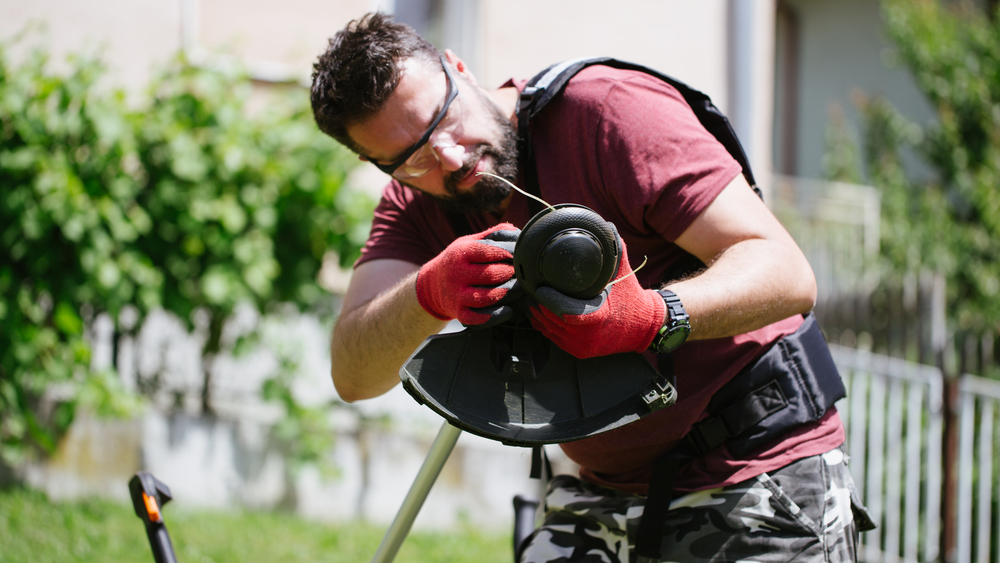
Yardwork is such as trimming shrubs, raking leaves, mowing the lawn and cleaning up after a wind storm can result in flying debris.  These particles can get into your eyes and have the potential to scratch or damage your eye.   Before starting up any outside tools, put on your protective eyewear.

For woodworking enthusiasts, flying fragments, fumes, dust particles, sparks can occur in the workshop or while doing woodworking projects.   Car buffs may encounter battery acid sparks and debris from damaged or improperly jump-started auto batteries that can severely damage your eyes. Learn the proper way to jump-start an automobile, and keep protective goggles in the trunk of your car to use for those emergencies and every day repairs.

Small business owners and independent contractors, you aren’t immune.  How often do you work a “side job” without the proper eye protection?  Whether you work for a large manufacturing company or are an independent business owner, you are subject to injury.  For the small business owner, it could mean the loss of work, wages and career with no safety net to ensure your financial future.

We recommend that every household have at least one pair of ANSI-approved protective eyewear to be worn when doing projects and activities at home to safeguard against eye injuries.

At Bissell Eye Care, we have many options for safety and sports eyewear available both our Bakerstown and Natrona Heights locations.  If you would like to invest in your eye health, consider purchasing a reliable pair of safety glasses! As always, UV Protection is also important for optimum ocular health. Ensuring that the exposure of the eye to harmful UV radiation is as limited as possible is equally as important as wearing protective glasses during risky activities. Sunglasses may be covered under your insurance care provider (especially if they are dispensed with your current prescription). If you have any questions or concerns or would like to schedule an appointment for an eye examination, call us today!  Knowledge is power, keep yourself safe and eyes healthy through proper eye safety protection.


About Bissell Eye Care: John D. Bissell, OD owns and operates Bissell Eye Care servicing Northern Pittsburgh and Alle-Kiski Valley regions. With two locations to treat patients, we offer evening and Saturday appointments. Bissell Eye Care provides comprehensive eye examinations for the entire family beginning as early as 6 months, ocular disease detection and treatment, eyeglasses, sunglasses, activewear, contact lenses, and low vision examinations for those with significant vision loss. We accept most types of vision and health insurance plans. For more information, visit bisselleyecare.com or call our Bakerstown Office at 724-443-6767 or Natrona Heights office at 724-226-0444.

Depositphotos_11879539_S

Trick-or-Treating Fun

The pumpkins are out, the leaves are changing, and fall is in the air.  Pumpkin patches are in full swing and children’s Halloween costumes are being planned.  To boot – 2020 brings about a full moon on Halloween so we want to do our part to keep our little ghouls and goblins out of harm’s way.  Trick or Treating can be a fun time for children and families and there are a few tips we’d like to share to keep everyone safe.


KEEP A CLEAR LINE OF VISION 

Does your costume or its accessories obstruct your view?  Masks, wigs, and eye patches may make an outfit complete, but make sure your child can see. Some masks are very dangerous for children because they block their side vision and can cause a trip hazard. You might want to consider decorating your child’s face with face paint or makeup.

FDA APPROVED MAKEUP

If you decide to disguise your child with makeup instead of a mask, use hypo-allergenic options, and keep makeup away from the eyes.  Make sure that any color additives to the face paints are FDA approved (check the Summary of Additives on the FDA website). When applying makeup near or around the eye, stay away from the lid margin, or lash line—the area where you would normally apply eyeliner. If you are applying make-up very close to the eye, use only products approved for use in that area such as an eyeliner or eyeshadow. Do not use blush or lip-liner to create a “red” effect.  It is a good idea to carry a damp towel or washcloth in case the makeup begins to run while trick-or-treating.

Use a makeup remover or cotton ball with baby oil for safe removal after a night of fun.

DECORATIVE CONTACT LENSES CAN BE DANGEROUS

Decorative lenses that appear to glow in the dark or create the illusion of “cat eyes” are popular with teens.  Buying the decorative contact lenses from a source other than an eye doctor can open the door to health issues.

Did you know according to the FDA that it is illegal to sell decorative contact lenses without a valid prescription?  This would include the lenses that are sold on the internet, in retail shops and salons.  Decorative lenses from unlicensed manufacturers may be made from inferior plastic or may contain toxic dyes. Untrained individuals may not follow proper hygiene while inserting or removing the devices. Eye infections related to improper wearing and handling of contact lenses can rapidly develop into infection and corneal ulcers, which can cause permanent blindness.

TRIP HAZARDS WITH LONG COSTUMES

Dark streets, porch steps and uneven ground are challenging especially for young children.  Be sure your child’s costume ends well above their ankles to avoid a trip hazard.  Use well-fitting shoes or boots for safe walking.  Make sure your child’s costume is flame resistant and avoid baggy, billowing skirts and cloaks that might brush against a candle-lit jack-o’-lantern or luminary.

SHARP OBJECTS TO BE USED AS PROPS CAN BE DANGEROUS

Some costumes don’t seem complete without swords or wands.  Sharp, pointed props endanger your child’s eyes as well as the eyes of others.   If your child must carry a sword, find a belt carrier or scabbard where the sword can stay safely nestled while the kids roam the neighborhood. Buy or construct only accessories made of soft or flexible materials.

REFLECTIVE COSTUMES ARE A MUST

See and be seen!  Give trick-or-treaters flashlights to find their way in the dark.  There are several glow in the dark devices children can wear such as necklaces or glow sticks.  If the costume your child chooses is not made of reflective material, sew on reflective fabric strips or use stick-on strips of reflective tape. You want your child to be seen, especially crossing streets in the dark. Place reflective material on the front, back, and sides of your child’s costume.

Happy haunting….be informed, be safe and have a Happy Halloween.


About Bissell Eye Care: John D. Bissell, OD owns and operates Bissell Eye Care servicing Northern Pittsburgh and Alle-Kiski Valley regions. With two locations to treat patients, we offer evening and Saturday appointments. Bissell Eye Care provides comprehensive eye examinations for the entire family beginning as early as 6 months, ocular disease detection and treatment, eyeglasses, sunglasses, activewear, contact lenses, and low vision examinations for those with significant vision loss. We accept most types of vision and health insurance plans. For more information, visit bisselleyecare.com or call our Bakerstown Office at 724-443-6767 or Natrona Heights office at 724-226-0444.