
Buds, Blooms and Allergies

Buds, Blooms and Allergies

Trees are blooming and the green is popping out on the hillside. Have your eyes started to water? Do you feel your nose starting to get stuffed up again? It’s that time of the year, the time when the weather gets warmer, you want to get outside and all the plants and trees start to bloom. As spring approaches learn how to help prevent symptoms and avoid eye infections.

If you typically suffer through the flowering of spring, experts say you should be taking precautions now to stay healthy and start taking an allergy medication that has controlled those symptoms in the past. Know the signs of allergy symptoms that include itchy eyes, red eyes, clear nasal discharge, and a scratchy feeling in your ears or throat. Unlike a virus that comes on gradually, allergy symptoms tend to hit quickly.

Pollen can serve as a major trigger for allergy sufferers. When pollen counts are high try and limit your exposure to the outdoors, don’t hang laundry outside, utilize air conditioning, and allergy medication can help to relieve symptoms.

Among eye infections associated with allergies, pink eye is one the most common. Pink eye is inflammation of the thin, clear covering of the white of the eye and the inside of the eyelids. While this part of the eye is clear it contains small blood vessels. When an infection occurs these blood vessels dilate, giving the eye the red color. It is more frequently experienced with people who are close to others such as students, school workers, daycare workers and medical professionals.

Types of Pink Eye

  • Allergic: This form of pink eye may be associated with pollen but can also be flared up by dust or pet dander
  • Bacterial: Bacterial pink eye is caused by bacteria entering the eye. It can cause serious damage to the eye if left untreated.
  • Viral: Caused by a virus similar to the common cold. This is the most contagious form but will usually clear up on its own in a few days without medical treatment.

Treatments

  • Allergic: Allergy medications can often help to prevent or shorten the duration of the infection. It is a common practice to start the medication before allergy season or known flare-ups.
  • Bacterial: An optometrist appointment is necessary and they will prescribe eye drops.
  • Viral: This form will run its course over several days requiring no medical treatment. Using a cold wet compress will help relieve some of the symptoms do not share this compress as the viral form is the most contagious.

As we approach spring and allergy season follow these tips to help prevent eye infections.

Prevention

  • Avoid sharing items such as washcloths, tissues, or towels.
  • Avoid rubbing or touching your eyes after covering your mouth to cough or sneeze.
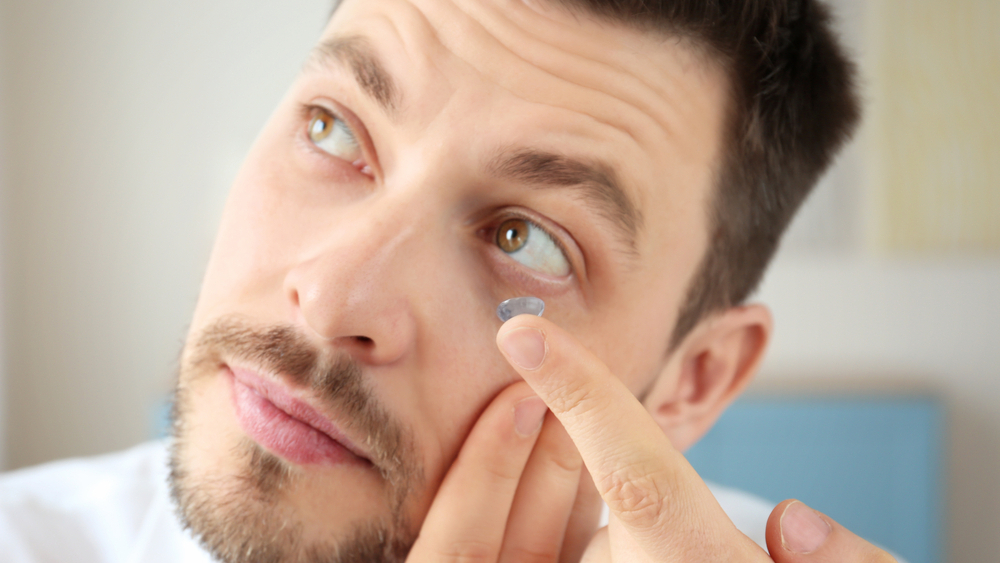
  • Never share contact lenses with anyone.
  • If you experience seasonal allergies consult your doctor on how to minimize symptoms.
  • Remove contacts before using a hot tub, being in the water, and even showering.
  • Wash hands frequently, especially in areas of high public traffic (schools, daycares, public places).

If you do experience an infection don’t hesitate to contact the doctors at Bissell Eye Care to confirm if you will need medication to help combat the infection and prevent future eye damage.
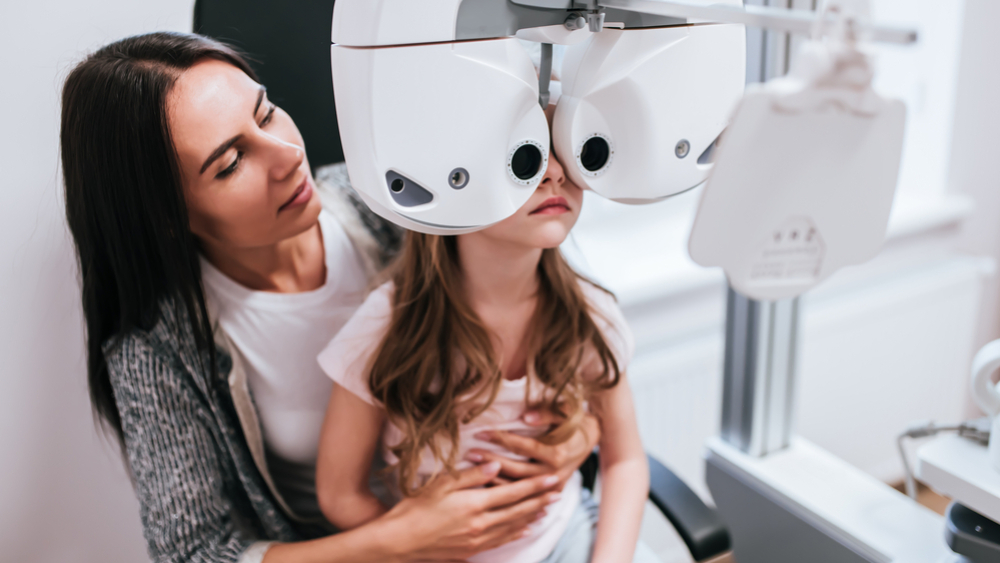
Mom with daughter in ophthalmology clinic

What to Expect at My Child’s First Eye Exam

American Optometric Association (AOA), states “infants should have their first comprehensive eye exam at 6 months of age.” Did you know that Bissell Eye Care provides eye examinations for free to children as young as 6 months up to one year old? As children enter preschool around 3 years of age they should be rechecked and then again right before kindergarten. Experts say 5 -10 % of preschoolers and 25 % of school-aged children have vision problems.

During a child’s eye exam, we will perform three assessments, including a vision test, pupil test, and eye movement test. You’ll be asked about your family’s medical history, your child’s medical history, developmental observations and any vision problems that you might be observing with your child.

We encourage you to stay with your child through the entire examination. Infants and small children sit on a parent’s lap during the exam. Older children are encouraged to sit in the exam chair by themselves.
Eye drops are used to dilate the pupils, which gives the optometrists a better view of the structures inside the eye, such as the retina, optic nerve, and blood vessels. The drops take about 30 to 45 minutes to become fully effective.

The Bissell Eye Care optometrists will carefully observe each eye as your child follows lights or toys. This gives a very good estimate of a child’s visual function. Children do not need to be able to talk or read to get an accurate eyeglass prescription. Children who talk but cannot read or count may be asked to identify pictures of common objects.

Once the dilation drops kick in, the doctor will use a retinoscope, a handheld polarized light, and lenses to read each of the eye’s red reflex. This allows the doctor to get an accurate eyeglasses prescription without feedback from the patient, allowing nonverbal or young children to get glasses.

These same eye drops also cause a temporary weakness of the eyes’ focusing muscles. This allows us to determine if your child has a focusing or refractive error that requires glasses. Refractive errors include:

  • Nearsightedness (myopia)
  • Farsightedness (hyperopia)
  • Distorted vision (astigmatism)

You may notice many preschools are starting to advertise registration for the 2020-2021 school year. Young children depend on their vision to learn tasks that will prepare them for school. During this time in their lives, they are developing the visually-guided eye-hand-body coordination, fine motor skills and visual perceptual abilities necessary to learn to read and write.

Early identification of a child’s vision problem is crucial because, if left untreated, some childhood vision problems can cause permanent vision loss. The AOA estimates one in four school-aged kids have undetected vision problems that critically impact their visual perceptual skills -better known – as the 3 R’s:

  • RECOGNITION — knowing the difference between letters like ‘b’ and ‘d’
  • COMPREHENSION — ‘picturing’ what’s happening in a story they’re reading
  • RETENTION – remembering and recalling details about what they’ve just read

Here are some tips for eye exams for young children:

Schedule the appointment during a time when your child is alert and happy taking into account napping and eating times.
A case history will be conducted to determine birth history, birth weight, medical issues, and any allergies
Be sure to note any delayed motor development, failure to maintain eye contact, poor eye tracking, frequent eye rubbing or blinking.

Prepare your child for success as they enter preschool and beyond. To schedule your child’s eye exam, give our offices a call at 724-443-6767 or 724-226-0444.

About Bissell Eye Care: John D. Bissell, OD owns and operates Bissell Eye Care servicing Northern Pittsburgh and Alle-Kiski Valley regions. With two locations to treat patients, we offer evening and Saturday appointments. Bissell Eye Care provides comprehensive eye examinations for the entire family beginning as early as 6 months, ocular disease detection and treatment, eyeglasses, sunglasses, activewear, contact lenses, and low vision examinations for those with significant vision loss. We accept most types of vision and health insurance plans. For more information, visit bisselleyecare.com or call our Bakerstown Office at 724-443-6767 or Natrona Heights office at 724-226-0444.

Contact Lenses

TIPS TO AVOID MISUSE OF CONTACT LENSES

Contact lenses – you either love them or can’t wear them. If you are a contact lens wearer you have more than likely noticed how far we have come in the development of contact lenses since you started using them. Perhaps you have also been guilty of ignoring the wearing and care instructions from your optometrist. In a recent study 99% of people admitted they practiced at least one bad habit with their contact lenses and that puts them at a higher risk for eye infections.

Contacts are a convenient alternative to wearing eyeglasses. If you are like many Americans you have become quite accustomed to your contacts and may sometime forget you have them in. This usually leads to pushing the envelope on wearing them or leaving contacts in at times when you should not. Contaminated solutions can lead to infection. Are you changing the solution in your cases daily?

While contacts are more convenient and provide a greater range of clarity than glasses, improper handling can lead to eye infections. People who wear contact lenses have a higher risk for keratitis, an infection of the cornea, the clear outer covering of your eye. They’re also called corneal ulcers. Viruses, bacteria, fungi, and a rare but serious eye parasite can also cause keratitis.

Depending on the type of contact lenses you have, some of the most common misuses for contacts are:

  • Wearing contact lenses overnight while sleeping.
  • Napping while wearing lenses.
  • Nonuse of a sterile wetting solution
  • Topping off your disinfecting solution in lens storage case rather than emptying it and using new solution.
  • Using your contact lenses longer than recommended.
  • Not replacing the lens storage case at least once every 3 months.

Not surprising that of those surveyed nearly one-third of respondents reported having red and or painful eye pain that resulted in a visit to the doctor.

Mild pinkeye can be caused by solutions used for cleaning contacts. It is important to clean your contacts thoroughly to remove any virus or bacteria from the contacts after having pinkeye. If the contacts are not thoroughly cleaned, they can re-infect your eye. Do not wear contact lenses until the pinkeye is gone. Sterilize your contacts, and clean your storage case. If you wear disposable contacts, use a new pair when your eye has cleared and it is safe to wear contacts again. Wait at least 2 days after the symptoms are gone before you wear contacts again.

Following these steps along with the recommended use from the contact lens manufacturer will help to prevent eye irritation or infection. If you do find that your eye becomes irritated take the contact lenses out immediately and use your prescription glasses. If the irritation and pain become worse or does not improve, seek medical attention immediately as these are signs of an infection in the eye.

Enjoy clearer vision with contact lenses, but follow the recommendations for care and cleaning to prevent infection.

About Bissell Eye Care: John D. Bissell, OD owns and operates Bissell Eye Care servicing Northern Pittsburgh and Alle-Kiski Valley regions. With two locations to treat patients, we offer evening and Saturday appointments. Bissell Eye Care provides comprehensive eye examinations for the entire family beginning as early as 6 months, ocular disease detection and treatment, eyeglasses, sunglasses, activewear, contact lenses, and low vision examinations for those with significant vision loss. We accept most types of vision and health insurance plans. For more information, visit bisselleyecare.com or call our Bakerstown Office at 724-443-6767 or Natrona Heights office at 724-226-0444.

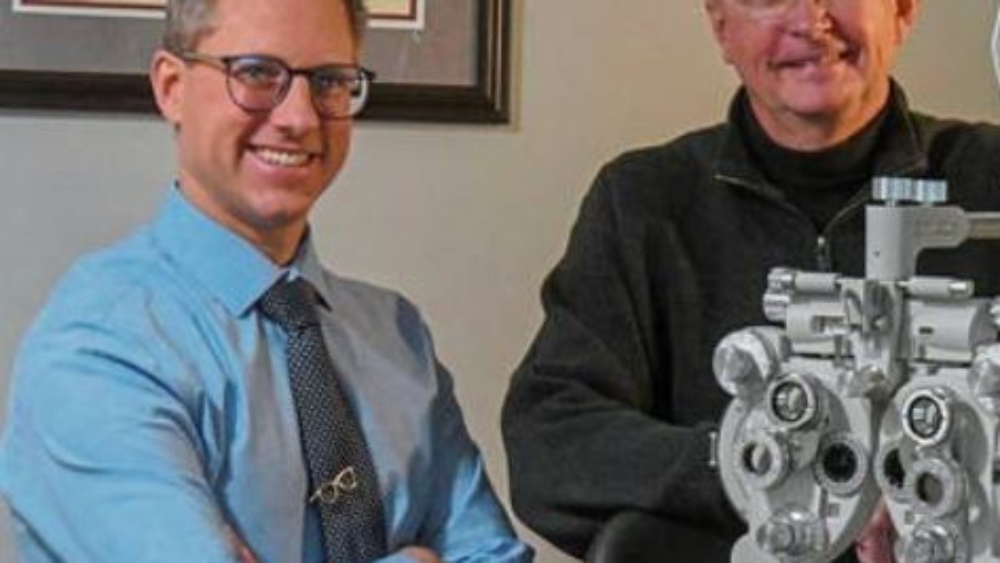
Dr. Johnson retires and sells practice to long time friend and Dr. John Bissell

Childhood Dreams Become Reality

Who says childhood dreams don’t come true?  For Dr. Bissell, he knew at an early age he wanted to become an optometrist.  Dr. Roger Johnson, a local optometrist became a mentor and longtime friend watching Dr. Bissell grow personally and professionally.  Dr. Johnson has since retired and Dr. Bissell purchased the practice in 2013.  Since that time, the practice has grown and most recently relocated to their own space located at 4001 Freeport Road, Natrona Heights.

With state-of the-art equipment, new merchandise and an elite staff of professionals, they stand ready to serve the Alli-Kiski region.  Madasyn Lee, a Tribune-Review staff writer, recently wrote an article about Dr. Bissell’s journey that we’d like to share.

“Dr. John Bissell knew by age 13 that he wanted to be an optometrist.

He started wearing glasses when he was 7. From there, his fascination with the human eye grew.

“My mom and dad bought me a microscope when I was a kid, and binoculars and a telescope. So, I was always intrigued by that,” Bissell said. “Then … when I first started wearing glasses, I just remember being intrigued by all the stuff in the (optometrist) office. So that kind of laid the seeds.”

Bissell got a head start on learning from Dr. Roger K. Johnson, the optometrist he visited when he was a boy.

Recognizing his passion for eye care, Johnson let Bissell job shadow him when Bissell was a student at Highlands High School. He ultimately asked Bissell to take over his practice when he retired.

“He was my optometrist, and he’s the one who kind of mentored me. We’re still in touch all the time,” said Bissell, 41, of Kittanning. “It just kind of always seemed like it was meant to be.”

Bissell owns Bissell Eye Care, which has locations in Richland and Harrison. The practice offers eye exams and vision services for children and adults. It sees about 350 to 400 patients a month between both locations.

Bissell bought Johnson’s practice in December 2013. It previously was located in the Heights Plaza, but recently moved to a larger space along Freeport Road to accommodate more merchandise, patients and examination equipment.

“The practice keeps growing, so we needed the room, so we moved on,” Bissell said.

Bissell enjoys working on complex medical cases and has received advanced training in using specially designed telescopic glasses, which help people suffering from severe vision loss. He received that training from the International Academy of Low Vision Specialists, a group of optometrists who are specially trained in low vision.

“I carry low vision devices for patients who have always been told that nothing more can be done for them,” Bissell said. “We’re not talking somebody that goes, ‘Oh, if I take my glasses off I can’t see, but if I put my glasses on I can see.’ We’re talking people who’ve got macular degeneration, diabetic retinopathy, people with significant vision problems that, even with their glasses on, they really still have a lot of issues seeing.”

Johnson said he is proud of Bissell’s accomplishments. He believes he has taken the practice “to another level.”

“With the automation and the incredible new machines, they’re able to diagnose more things,” said Johnson, 65, of Ligonier. “He’s always on the cutting edge of things. It’s just great.”

The Harrison practice as a whole is estimated to have been around for about 75 years. Before Johnson, it belonged to another optometrist, Dr. Earl Clifford. Johnson took it over in 1980.

“I think the practice would date back with Dr. Clifford probably to post World War II, so 1945, something like that,” Johnson said. “To have that sort of coverage for that length of time with just three practitioners is pretty cool.”


Diabetes Complications

DIABETES AWARENESS MONTH

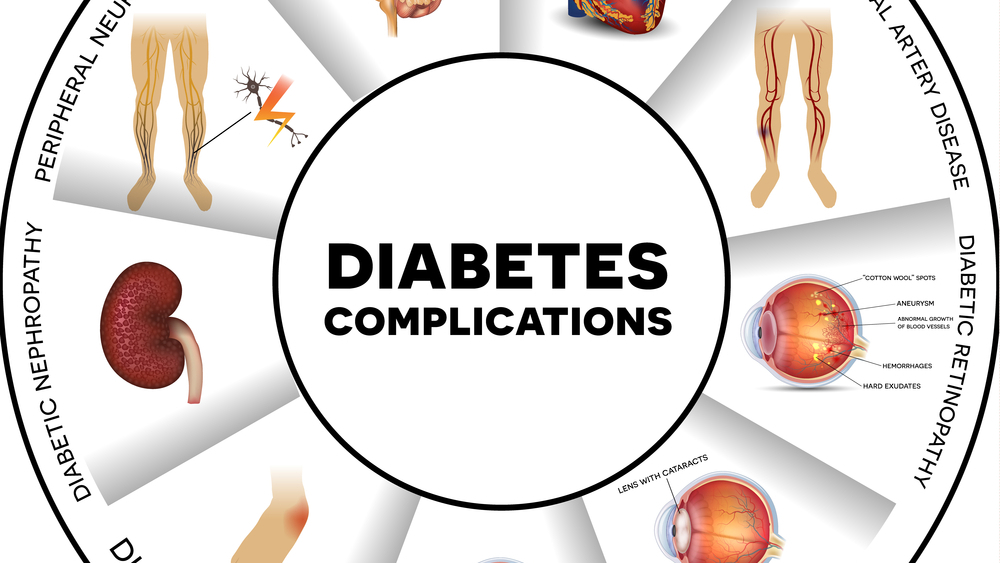
November is Diabetes Awareness Month. If you are one of the estimated 29.1 million people that have diabetes, then you have most likely discussed with your doctor about possible health-related issues that come with the disease. Diabetes also can also harm your eyesight. Obtaining regular screenings will allow you to monitor your health and react to any changes that may have occurred.

The American Academy of Ophthalmology (and the American Diabetes Association) recommend patients with type 1 diabetes receive an eye exam within the first 5 years after diagnosis, then one exam per year. The groups recommend those with type 2 diabetes receive an eye exam as soon as diabetes is diagnosed, and then once yearly.

All people with diabetes are at risk of developing eye disease that can permanently damage their vision and even lead to blindness. However, some steps can be taken to help prevent diabetic eye disease, including:

  • Managing good blood sugar, blood pressure, and cholesterol control
  • Scheduling a yearly comprehensive dilated eye exam
  • Women with diabetes before pregnancy should have a comprehensive dilated eye exam early in their pregnancy. Additional exams may be recommended during pregnancy.
  • Maintaining a healthy lifestyle by exercising regularly, not smoking and following a healthy diet.

While everyone needs to schedule routine eye exams, people with diabetes need to be especially vigilant in scheduling their annual exams. Diseases such as glaucoma, cataracts, and retinopathy are best treated when they are detected early and are often associated with diabetes. Talk to your eye doctor about any concerns or vision loss you may be experiencing for the best chances of early detection and treatment.

Patients often ask, “Why do I have to have my eyes dilated?” A comprehensive dilated eye exam allows our doctors to check the retina for early signs of diabetic eye disease damage such as:

  • Warning signs of leaky blood vessels, such as fatty deposits
  • Changes to blood vessels
  • Changes in the lens
  • Swelling of the macula
  • Damage to nerve tissue

Glaucoma occurs when pressure builds inside the eye and is 40% more likely to occur in individuals who have diabetes. The pressure pinches blood vessels that carry blood to the retina and optic nerve. Vision is gradually lost as the retina and nerves are damaged from the increase in pressure. There are several treatments available for Glaucoma however some treatments may require surgery. Early detection of high pressure may be able to be managed by medication. Maintaining the proper eye pressure is key to preventing permanent damage to the eye.

As we age many people run a higher risk of developing cataracts. Those with diabetes are 60% more likely to develop them. By detecting cataracts early you can help to slow down the progression. The typical corrective action for cataracts is to remove the lens of the eye. Patients then would typically receive a new transplanted lens. In people with diabetes, vision can get worse after the removal of the lens and glaucoma may start to develop so additional treatment may be necessary.

Retinopathy is a general term used for all disorders of the retina that are caused by diabetes. The good news that there have been giant strides in the past decade on treatment for retinopathy.
Have you noticed a pattern? Particularly those with diabetes must be extra vigilant with screenings and health checkups. The key to being able to keep your vision as clear as possible when you suffer from diabetes is early detection. Keep in mind that you often can lose more than 60% of your vision before you begin to notice significant differences.

Talk with your doctor if you have diabetes so you know what symptoms to look for and schedule your annual vision screening.

About Bissell Eye Care: John D. Bissell, OD owns and operates Bissell Eye Care servicing Northern Pittsburgh and Alle-Kiski Valley regions. With two locations to treat patients, we offer evening and Saturday appointments. Bissell Eye Care provides comprehensive eye examinations for the entire family beginning as early as 6 months, ocular disease detection and treatment, eyeglasses, sunglasses, activewear, contact lenses, and low vision examinations for those with significant vision loss. We accept most types of vision and health insurance plans. For more information, visit bisselleyecare.com or call our Bakerstown Office at 724-443-6767 or Natrona Heights office at 724-226-0444.

October Is Eye Injury Prevention Month

Skilled carpenter cutting a piece of wood in his woodwork workshop, using a circular saw, and wearing safety googles and earmuffs, with other machinery in the background

October is Eye Injury Prevention Month. Did you know that nearly 2.5 million people suffer eye injuries each year in the United States, and nearly one million people have lost some degree of vision as a result of their injury? Do you always wear protective eyewear when performing home repairs or maintenance?

According to the fifth-annual Eye Injury Snapshot conducted by the American Academy of Ophthalmology and the American Society of Ocular Trauma found that:

  • Most people believe that eye injuries are most common on the job — especially in factories and on construction sites. But in fact, nearly half of all eye injuries occurred in the home.
  • Home repairs, yard work, cleaning, and cooking caused more than 40 percent of eye injuries.
  • More than a third of those injuries in the home happened in the kitchen, bedroom, bathroom, living or family room.
  • More than 40 percent of eye injuries every year are related to sports or recreational activities.
  • More than 78 percent of people were not wearing eyewear at the time of injury. Only 5.3 percent of those who were wearing eyewear

Most injuries could have been prevented by wearing protective eyewear.

Could your job land you in the doctor’s office or the ER with an eye injury? According to the U.S. Bureau of Labor Statistics, more than 20,000 workplace eye injuries happen each year. Injuries on the job often require one or more missed workdays for recovery. The Bureau of Labor Statistics states that nearly three out of every five workers injured were not wearing eye protection at the time of an accident. While you may believe it unnecessary to wear protective glasses at your job, consider the alternative of losing eyesight in one or both eyes.

Small business owners and independent contractors, you aren’t immune. How often do you work a “side job” without the proper eye protection? Whether you work for a large manufacturing company or are an independent business owner, you are subject to injury. Are you willing to take a risk as it could mean the loss of work, wages and career with no safety net to ensure your financial future?

To help prevent eye injuries and make your workplace safer and take steps to protect your eyesight. Follow the OSHA rules regulations and guidelines.

Eye injuries are not limited to the workplace. Think about the things you do around the house to get ready for winter. Flying debris or other small particles can be created from outside jobs such as trimming shrubs, raking leaves, mowing the lawn and cleaning up after a wind storm. These particles can get into your eyes and have the potential to scratch or damage your eye. Put on protective eyewear before you use a lawnmower, power trimmer or edger and be sure to check for rocks and stones when mowing as they can become dangerous projectiles as they shoot from these machines.

When we think of fall cleanup –many things can occur around the house to get your home ready for winter. Closing up swimming pools, cleaning windows and gutters, as well as other projects around the house that involve the use of chemicals can lead to injury. Splashing chemicals can burn your eyes causing permanent damage. When using household chemicals, be sure to work in a well-ventilated area and keep the spray nozzle pointed away from you. Read the labels of chemicals and cleaners carefully, and don’t mix products.

Flying fragments, fumes, dust particles, sparks can occur in the workshop or while doing woodworking projects. For those car buffs, battery acid sparks and debris from damaged or improperly jump-started auto batteries can severely damage your eyes. Learn the proper way to jump-start an automobile, and keep protective goggles in the trunk of your car to use for those emergencies and every day repairs.
We recommend that every household have at least one pair of ANSI-approved protective eyewear to be worn when doing projects and activities at home to safeguard against eye injuries.

At Bissell Eye Care, we have many options for safety and sports eyewear available both our Bakerstown and Natrona Heights locations. If you would like to invest in your eye health, consider purchasing a reliable pair of safety glasses! As always, UV Protection is also important for optimum ocular health. Ensuring that the exposure of the eye to harmful UV radiation is as limited as possible is equally as important as wearing protective glasses during risky activities. Sunglasses may be covered under your insurance care provider (especially if they are dispensed with your current prescription).

If you have any questions or concerns or would like to schedule an appointment for an eye examination, call us today! Knowledge is power, keep yourself safe and eyes healthy through proper eye safety protection.

About Bissell Eye Care: John D. Bissell, OD owns and operates Bissell Eye Care servicing Northern Pittsburgh and Alle-Kiski Valley regions. With two locations to treat patients, we offer evening and Saturday appointments. Bissell Eye Care provides comprehensive eye examinations for the entire family beginning as early as 6 months, ocular disease detection and treatment, eyeglasses, sunglasses, activewear, contact lenses, and low vision examinations for those with significant vision loss. We accept most types of vision and health insurance plans. For more information, visit bisselleyecare.com or call our Bakerstown Office at 724-443-6767 or Natrona Heights office at 724-226-0444.

Age-Related-Macular-Degeneration, Bissell Eye Care

LIVING WITH AGE-RELATED MACULAR DEGENERATION

Age-Related-Macular-Degeneration, Bissell Eye CareAs you age not only does your wealth of knowledge grow, but also the chances increase that you may develop Age-Related Macular Degeneration or AMD. It is important to maintain not only routine doctor appointments, but eye doctor and dental checkups as we age. Doing so may help you to have a better quality of life as you enter the golden years.

With February being national AMD awareness month we want to educate you on the signs, symptoms and treatments of AMD. Knowing not only what to look for, but also how you can treat AMD will help ease the apprehension of maintaining your routine eye exams.

AMD is the leading cause of vision loss of people above the age of 50. AMD causes damage to the macula, a spot near the center of the retina. This disease blurs the sharp, central vision you need for “straight-ahead” activities such as reading, sewing, and driving. AMD affects the macula, the part of the eye that allows you to see fine detail. The rate at which damage can be done can vary. In some people it is a slow process over years. While with others it is more quickly and can also involve both eyes. While Age-related Macular Degeneration does not result in complete vision loss it can interfere with activities of daily living.

Who is more susceptible to developing AMD? Can your lifestyle make a difference as to your chances of developing AMD? As we discussed, people over the age of 50 are most likely to develop this disease.

Additional factors that may increase your risk are:

  • Smoking. Research shows that smoking doubles the risk of developing AMD.
  • Family history. If your family history includes AMD you are at a higher risk.
  • Ethnicity. AMD is more common in Caucasians that other races.
  • You have the power to take control of your health. These are some things you can do to help prevent AMD:

Exercise Regularly

  • Eat a healthy diet rich in leafy veggies and fish
  • Avoid smoking
  • Maintain proper vitals such as blood pressure and cholesterol.

AMD is best detected by maintaining routine eye exams. Often people question why dilation is part of a regular exam. This allows us to look into the back of your eyes for any changes that may be occurring.

While there is no cure for this disease, things such changing your diet and adding proper exercise can help to slow down the loss of vision. You have the power to choose. Take control and choose a healthier lifestyle. Your eyes will thank you for it.

About the author: John D. Bissell, owner of Bissell Eye Care and Tri-State Low Vision Services, offers comprehensive eye examinations for the entire family, ocular disease detection and treatment, eye glasses, sun glasses, active wear, contact lenses, and low vision examinations for those with significant vision loss. He has undergone specialized training for treatment of low vision by the International Academy of Low Vision Specialists utilizing customized telescopic eyeglasses, prisms and telescopic implants for patients who qualify. The practice accepts most types of vision and health insurance plans.

MACULAR DEGENERATION, FAITH AND HOPE

Macular degeneration (AMD or ARMD)- is a medical condition which may result in blurred or no vision in the center of the visual field. Diagnosis in Opthalmology.

Many people have a vision loss that is not correctable with typical eyeglasses or contact lenses. They’ve lost some vision and are unable to see well enough to participate in activities that are important to them – activities of daily living such as reading, driving, safely walking down a sidewalk and enjoying a sunset. These people are said to have low vision. Eye diseases like macular degeneration, Stargardt’s Disease, diabetic retinopathy and glaucoma, are among the many causes of low vision. Some people have been told that they are legally blind.

Low Vision Optometrists trained through the International Academy of Low Vision Specialists (IALVS) use telescopic glasses to help improve vision loss. With the use of telescopic glasses, they often are able to improve vision and the lives of those affected with vision loss.

There is a wonderful article in Guidepost magazine of how these glasses worked for a set of twins who suffered from Stargardt’s disease (juvenile macular degeneration) since they were teens. The article “Double Vision” by Karen Young shared the journey that Karen and her twin sister, Sharon had with Stargardt’s disease since they were teenagers.

Their progressive vision loss caused them to change their college and career plans. They remained positive and were sustained by their faith and live very full lives. Both married and have children. A friend told them of a low vision optometrist who prescribed low vision reading glasses. “For the first time in thirty years we could read” says Karen.

As a trained IALVS Optometrist, it is one of the most rewarding experiences to watch someone regain the ability to read a book, watch TV or walk safely down a sidewalk without fear of injury. Low Vision appointments last longer than regular appointments due to the additional time needed to test various telescopic prescription lenses. The glasses are not covered by insurance with costs starting at $500. But, it’s a small price to pay for independence.

These sisters are experiencing a better quality of life and have new goals in mind as a result of their low vision glasses. If you know of someone who suffers from vision loss that isn’t correctable with typical eyeglasses, we may be able to help. To learn more about low vision, visit Tri-State Low Vision – a division of Bissell Eye Care or call 1-855-552-2020.

About the author: John D. Bissell, owner of Bissell Eye Care and Tri-State Low Vision Services, offers comprehensive eye examinations for the entire family, ocular disease detection and treatment, eye glasses, sun glasses, active wear, contact lenses, and low vision examinations for those with significant vision loss. He has undergone specialized training for treatment of low vision by the International Academy of Low Vision Specialists utilizing customized telescopic eyeglasses, prisms and telescopic implants for patients who qualify. The practice accepts most types of vision and health insurance plans.